
Indonesia Could Need 320 New Ethanol Plants for E50 Goal, Minister Says
Indonesia would need 320 new ethanol plants to support its planned 50 percent bioethanol fuel blend, Higher Education, Science and Technology Minister Brian Yuliarto said on October 26. He called for investment and regulatory changes to expand domestic production and reduce reliance on imported fossil fuels.

The scale of the E50 plan
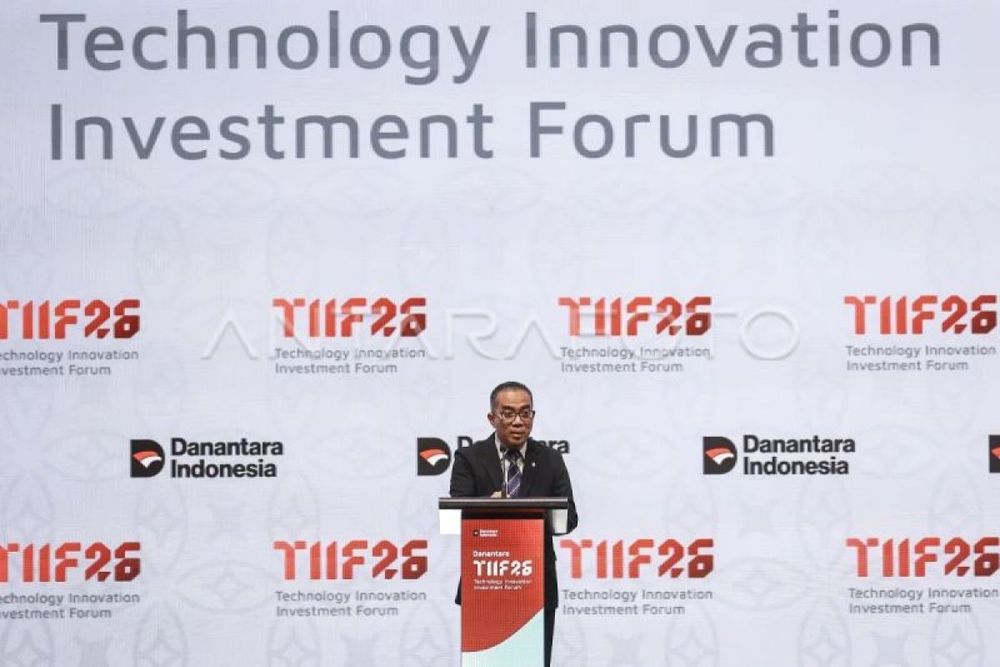
Yuliarto outlined the estimate at the Danantara Technology & Innovation Investment Forum 2026 in Jakarta. "To meet the requirements for E50, we need to build 320 ethanol plants, each with a capacity of 60,000 kiloliters," he said.
The initiative seeks to channel up to $50 billion a year in energy import spending into domestic industries, he said. He called on government, universities and investors, including sovereign wealth fund Danantara, to work together, and urged regulatory changes to bring Indonesian bioethanol technologies to market faster.
The phased strategy calls for a 10 percent blend, or E10, in 2027, followed by E20 in 2028 and eventually E50. Indonesia consumes nearly 40 million kiloliters of gasoline annually. The strategy draws on locally grown sugarcane, cassava and corn to make domestic fuel supplies less vulnerable to global market swings.
Supply and near-term plant targets
Existing ethanol production is far below the volumes envisioned for expanded blending. Industry association Apsendo recorded total Indonesian ethanol output of 160,946 kiloliters in 2024. According to S&P Global Commodity Insights, an E10 program alone would need about 1.4 million kiloliters each year, nearly nine times that output.
For fuel supplier Pertamina, the available bioethanol supply was about 70,500 kiloliters as of September 2026, according to EBTKE Director General Eniya Listiani Dewi. Kompas.id reported that this came from five plants: PT Indonesia Ethanol Industry supplied 20,000 kiloliters; PT Indo Acidatama, 3,000; PT Madu Baru, 7,500; PT Molindo, 10,000; and PT Energi Agro Nusantara, also known as Enero, 30,000.
Eniya said in September that even a 5 percent blend would require about 333,000 kiloliters in 2026 and 681,000 kiloliters in 2027. The government hoped to add 15 plants in 2027 with combined production of 373,000 kiloliters. If E20 becomes mandatory in 2028, she said, another 20 plants would be needed that year, followed by 11 in 2029 and 11 in 2030.
Sugarcane development for E20
For the E20 program specifically, the government identified sugarcane in September as the most viable feedstock. S&P Global Commodity Insights reported that officials had ruled out corn and cassava for mass-scale mechanized production.
The government said it was preparing approximately two million hectares of sugarcane farmland across Java, Sumatra, Kalimantan and Papua. Danantara was assigned to develop the ethanol processing industry supporting the program.
Following a limited cabinet meeting at Merdeka Palace on September 17, President Prabowo Subianto directed the agriculture ministry to shorten its sugarcane replanting timetable from four years to two and establish at least 30 new bioethanol plants, according to S&P Global Commodity Insights.
Blending, retail sales and tax support
Indonesia began implementing E5, a 5 percent ethanol blend in gasoline, in July 2026, S&P Global Commodity Insights reported. A separate 50 percent biodiesel blend, B50, took effect the same month and was described as the world's highest biodiesel blending mandate.
Pertamina has sold E5 through its Pertamax Green product since 2023. By September 2026, the product was available at 190 gas stations, mostly on Java. The reported locations included 40 stations in Jakarta, 53 in West Java, 47 in East Java, 16 in Central Java and six in Yogyakarta.
According to Kompas.id, Pertamina reported a 267 percent increase in sales from early 2025 to August 2026, while average daily sales rose 446 percent.
Tax support also took effect in 2026. The Finance Ministry's Regulation 34/2026, issued in May, exempted fuel ethanol from alcohol-related excise taxes. The USDA Foreign Agricultural Service said the measure was intended to reduce production costs and support wider use of ethanol in fuel blends.