
Australian Hercules begins firefighting missions in East Kalimantan
An Australian Hercules C-130 began dropping water on fires around Samarinda in Indonesia's East Kalimantan province on Friday, November 6, 2026, with hotspots near homes taking priority. Indonesia's National Disaster Mitigation Agency (BNPB) said the aircraft had completed three water drops by 3 p.m. Western Indonesian Time.

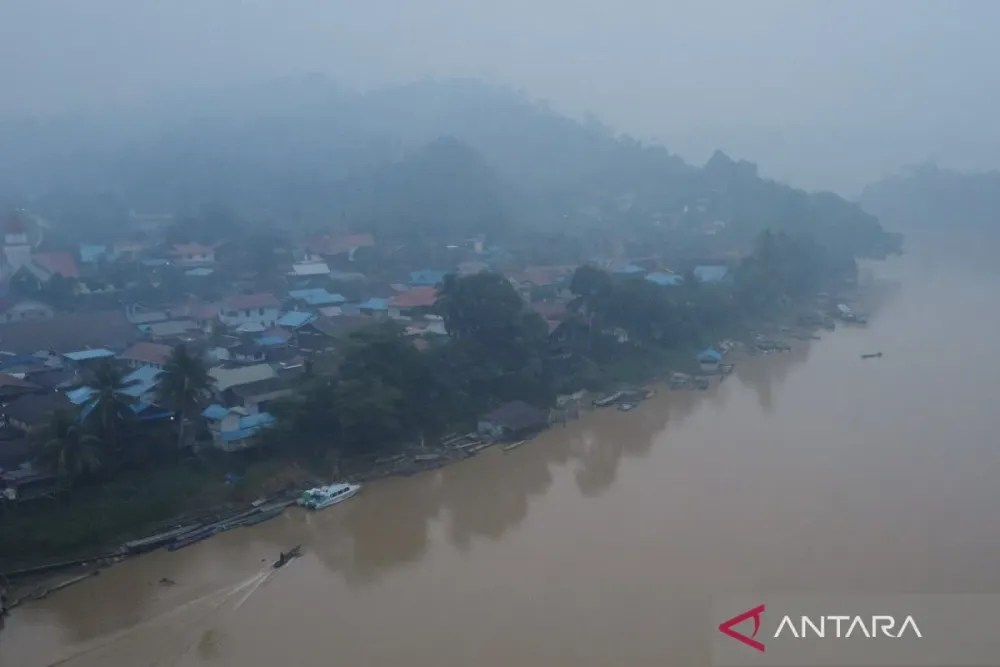
Homes near hotspots take priority
A morning briefing identified two hotspots near residential areas as the most urgent targets, said Berton Panjaitan, acting head of BNPB's Disaster Data, Information, and Communication Center. He said the focus was on preventing fires from directly threatening residents.
The first day's water drops targeted Makroman and Sambutan in Samarinda and Anggana in Kutai Kartanegara regency, according to Media Indonesia. The team planned to move next to Santan and Santan Ulu. East Kalimantan Deputy Governor Seno Aji put the priority area in Makroman and Santan at an estimated 40 to 50 hectares.
BNPB and the Australian government arranged for the Hercules to serve as a Large Air Tanker carrying up to 15,000 liters of water per sortie, accompanied by a Cessna Citation guide aircraft. Refueling took about 20 minutes after each sortie. Plans call for up to six Hercules sorties daily during the weeklong deployment, scheduled for November 6-12.
The Australian contingent includes 20 New South Wales Rural Fire Service (NSW RFS) aviation specialists, including pilots and support crew. Chief Superintendent Matthew Reeves is leading the deployment, Media Indonesia reported.
Further assignments depend on fire conditions. East Kalimantan authorities said the aircraft could head to Paser regency on Saturday, November 7, and might later be reassigned to Kapuas regency in Central Kalimantan if priority fires were brought under control. Paser and Kutai Timur are also among the operation's target areas, according to Media Indonesia. Panjaitan said BNPB was strengthening coordination with the Australian team and agencies on the ground to make the missions effective, particularly around residential areas.
National fire response and health toll
The deployment comes as Indonesia faces its most intense wildfires in 11 years, according to Reuters reporting published by The Star in early November. Large areas have burned, mainly on Sumatra, Borneo and Papua. Health Ministry figures cited in the report linked fire and haze to more than 400,000 cases of acute respiratory infections across seven provinces as of November 2.
BNPB recorded 1,468 hotspots nationwide on November 6, with 2,645 hectares under fire management, Kompas.com reported. Hotspot counts rose 20 percent in Central Kalimantan and 66 percent in South Papua, while declining 2 percent in East Kalimantan, 31 percent in South Kalimantan and 37 percent in Central Sulawesi.
By November 5, BNPB had deployed 46 air assets across 12 provinces: 18 aircraft for patrol and weather-modification operations and 28 water-bombing helicopters, according to Kompas.com.
A history of mutual disaster assistance
Australian Ambassador to Indonesia Rod Brazier said the assistance followed talks about possible support for Indonesia's forest and land fire response between Indonesian Coordinating Minister for Political and Security Affairs Dudung Abdurachman and Australian Minister of Home Affairs Tony Burke.
Brazier described the mission as part of a long-standing friendship that has included disaster assistance in both directions. During Australia's forest fires in 2020, BNPB and the Indonesian military provided help, he noted. Australia had also assisted Indonesia earlier: Media Indonesia, citing the Australian side, reported that the NSW RFS supported firefighting in Sumatra in 2015.