
Indonesia's Social Media Politicians Face a Gap Between Visibility and Votes
Indonesian politicians are using videos of aid deliveries, neighborhood visits and everyday activities to cultivate approachable public images. But copying the style that helped define Joko Widodo's rise offers no guarantee of electoral success, Kompas argues in an October 27 commentary on politics shaped by platform algorithms.

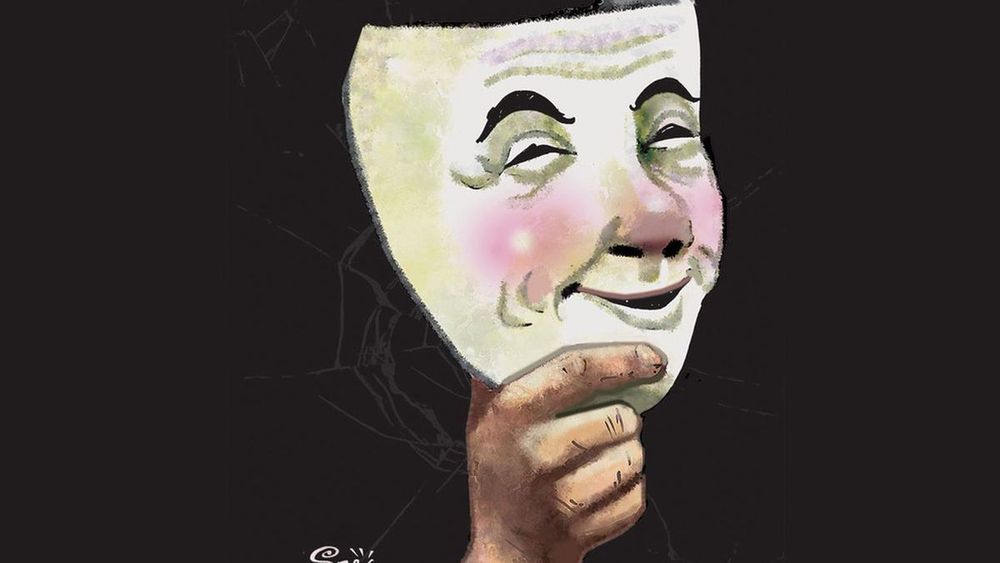
When political communication follows the feed
For governors, regents and mayors, TikTok, Instagram and Facebook provide an audience for encounters with residents, exercise routines and acts of generosity. Kompas describes a political culture increasingly organized around making those moments attention-worthy.
The commentary draws a distinction between "algorithm politicians" and "politician algorithms." The first describes politicians whose public personas are built primarily around what platforms reward: trends, emotional appeal, shareability and the prospect of going viral. The second describes how politicians deliberately use those systems to steer attention, frame narratives and turn engagement into support.
Underlying both are algorithms: computational rules that choose, rank and recommend posts using signals that include users' interests, interactions and time spent watching. Kompas argues that the short, dramatic and personal material these systems favor can conflict with democratic communication's task of explaining programs and decisions and helping citizens assess performance.
The audience is substantial. DataReportal's Digital 2026: Indonesia report recorded 180 million active social media user identities in October 2025, equivalent to 62.9% of the population. It also reported that TikTok had 180 million users age 18 and older in Indonesia in late 2025, reaching 88.9% of adults.
News consumption has shifted toward the platform as well. Citing the Reuters Institute's 2025 and 2026 Digital News Reports, the IDN Research Institute reported that 34% of Indonesians used TikTok for news in 2025, up from 11% in 2021—the fastest growth among platforms. Among respondents ages 18 to 24, 51% said they paid more attention to content creators and personal figures, compared with 39% who chose conventional media.
Jokowi's example, in a different media environment
Joko Widodo, widely known as Jokowi, offers a prominent model for local leaders seeking national office. From his leadership of Solo beginning in 2005 through the Jakarta governorship and two presidential terms, an image of simplicity and accessibility helped shape his political career.
Kompas identifies West Java Governor Dedi Mulyadi, known as KDM, as a leading example of the current emphasis on filmed interactions with residents. Anies Baswedan, Ganjar Pranowo, Ridwan Kamil and Khofifah Indar Parawansa have also attracted attention through digital communication, although their careers and political backing differ.
The resemblance between Jokowi's approach and today's videos does not mean the media process is unchanged. A 2026 study in Communicator by Safiruddin Jailani and M. Alfin Fatikh compared Jokowi's 2012–2014 tenure as Jakarta governor with Mulyadi's West Java governorship, which began in 2025.
The researchers found that Jokowi's "blusukan" visits reached audiences mainly through mainstream news coverage. Mulyadi's digital "blusukan," by contrast, were conceived from the start as material optimized for platform algorithms. The authors propose a preliminary concept of "platform mastery," arguing that political legitimacy has moved away from news intensity and surveys toward visual-emotional narratives and audience engagement.
Mulyadi's reach and electoral record
Figures compiled in Wikipedia's account of Mulyadi show the scale of his online presence in 2025: 10.1 million followers on TikTok, 5.7 million on Instagram and 13 million on Facebook, alongside 8.32 million subscribers to his main YouTube channel. His most-watched TikTok video had accumulated 95.3 million views.
That visibility has also drawn criticism. East Kalimantan Governor Rudy Mas'ud first coined the derisive label "the content governor" (gubernur konten), which Mulyadi's critics adopted.
Mulyadi and running mate Erwan Setiawan won the 2024 West Java gubernatorial election by a landslide. Their 14.3 million votes represented 62% of the total, and they led the vote in every one of the province's 27 regencies and cities. Mulyadi took office on February 20, 2025.
Subsequent polls recorded high approval. Indikator Politik measured 95% approval during May 12–19, 2025. Litbang Kompas found 97.2% approval and 98.6% favorability during July 1–5 that year. Lembaga Survei Indonesia reported 95.4% approval in a survey presented on July 23, 2026, to mark 1.5 years since his inauguration.
Popularity is not a guaranteed path to office
Kompas cautions against the impression that reproducing Jokowi's public style puts a politician on an inevitable path to the presidency. Similar methods can yield very different political outcomes: neither popularity nor a strong survey position automatically ensures that a politician will advance or win a national or local election.