
Election Law Expert Warns KPU Selection Delay Could Undermine Trust in 2029 Vote
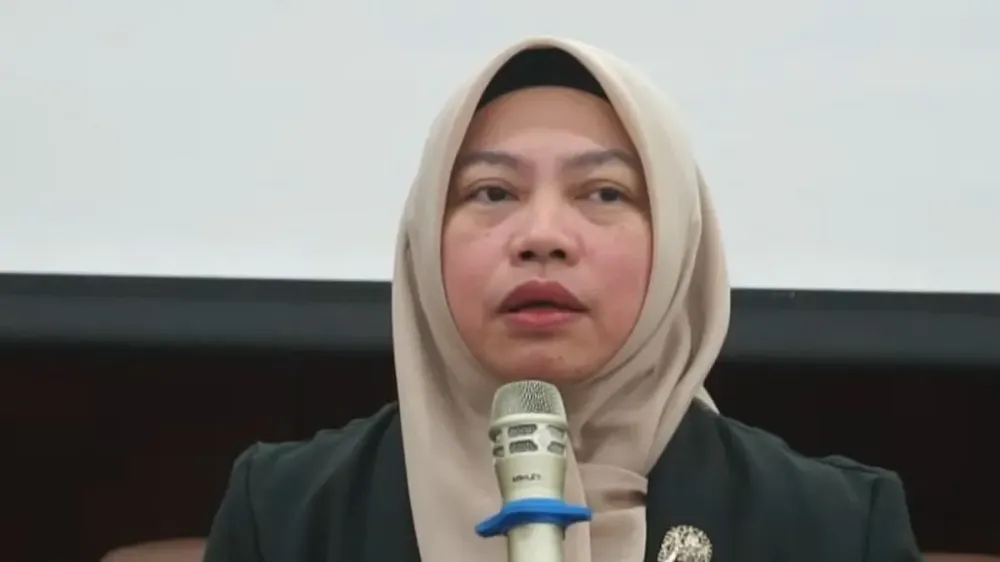
University of Indonesia election law expert Titi Anggraini says President Prabowo Subianto has missed the legal deadline to establish a committee to select Indonesia's next election officials. Her warning comes despite a lawmaker's earlier account that the committee had been formed but not yet announced.

October deadline and conflicting accounts
The selection committee, known as Pansel, is responsible for choosing candidates for the General Elections Commission (KPU) and the Election Supervisory Board (Bawaslu) for the 2027-2032 term. The current members' terms expire on April 12, 2027.
Speaking at Menara Kompas in West Jakarta on October 28, 2026, Titi said Law No. 7 of 2017 on Elections requires the president to form the committee at least six months before those terms end. That put the deadline at October 12.
Titi called the failure to establish the committee a violation of the law and urged the president to explain the delay. She said any delay would need to be accompanied by changes to the law, rather than leaving its existing requirements unmet.
A different account had emerged on October 22 from Mardani Ali Sera, who heads the PKS faction in the House of Representatives' Commission II. Speaking at the House building, he said the committee for KPU candidates had already been established and was awaiting an announcement by Prabowo.
Mardani said he had contacted the Home Affairs Ministry's director general of politics and general governance, who had sent a letter to the president. He also spoke with House Deputy Chair Sufmi Dasco Ahmad of the Gerindra faction, who told him the committee was in place. Mardani said he did not know who its members were or when they would be announced.
Warnings about trust and the selection timetable
Titi warned that failing to meet the legal deadline set a bad precedent for preparations for the 2029 elections. The public could interpret the delay as an unwillingness to follow election rules, she said, weakening confidence from the outset and potentially undermining trust throughout the preparations.
She also expressed concern that an unresolved delay could harm the quality of the 2029 elections and be followed by other participants disregarding regulations.
The time available to assess candidates is another concern. On October 24, Jojo Rohi, a National Council member of Indonesia's Independent Election Monitoring Committee (KIPP), said delays in forming and announcing the committee would force it to rush the selection stages.
Jojo noted that the previous cycle took the entire six-month period between the selection team's formation in October and the members' inauguration in April. Each additional week of delay, he said, reduces the time available for public feedback and checks of candidates' backgrounds.
Tests, public feedback and legislative approval
The committee's responsibilities extend beyond drawing up a shortlist. Article 23(3) assigns it 14 tasks, including advertising registration in national mass media, administering written and psychological tests, and publishing the names of successful candidates for public feedback. Health examinations and interviews are also required, along with a plenary meeting to determine the 14 KPU and Bawaslu candidates.
Under the Election Law, the president-appointed committee selects 14 candidates for both institutions and forwards their names to the president. The House of Representatives (DPR) then holds a fit-and-proper test and chooses seven members. The president must ratify the selected members within five working days after receiving their names.