
Indonesia Emphasizes Budget Flexibility as Local Governments Face Fiscal Strains
Finance Minister Suahasil Nazara said Indonesia would keep its State Budget responsive to global and domestic pressures while preserving fiscal credibility, as the central government assesses ways to help local governments burdened by personnel costs.

Responding to changing conditions
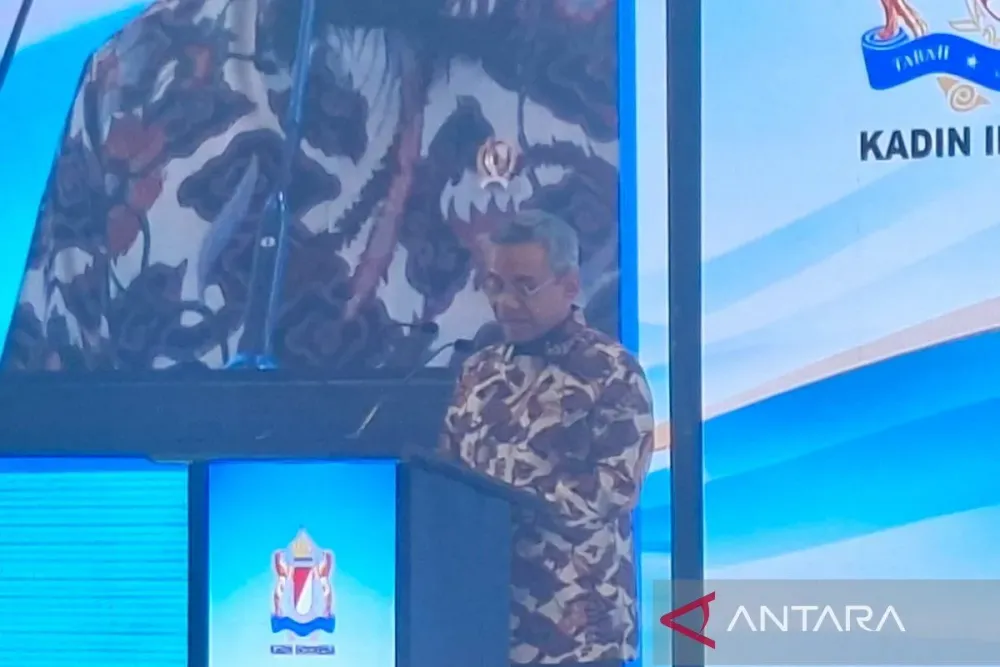
Speaking at the Indonesian Chamber of Commerce and Industry's national leadership meeting in Jakarta on October 30, 2026, Suahasil cited volatile commodity prices and rising international interest rates among the challenges facing the budget, known as the APBN.
He said government financing supports state spending, which must remain adaptable as conditions change. The budget's role, he said, is to support prosperity and economic growth and protect the public without compromising financial credibility.
The Finance Ministry and Home Affairs Ministry have also formed a joint technical team to assess local governments' fiscal difficulties and develop possible remedies. Its work includes examining how to restore regional finances and coordinate national and local budgets to improve public welfare.
Personnel costs and the 2027 spending ceiling
Home Affairs Minister Tito Karnavian said the team's initial assessment targets regions where personnel costs consume 40 to 50 percent of local budgets, leaving limited room for priority development programs.
Those shares exceed the 30 percent ceiling due to take effect in fiscal 2027 under Law No. 1 of 2022 on Financial Relations between the Central and Regional Governments. The law limits employee expenditure to that share of each Regional Budget, or APBD, according to PATTIRO.
Regional Government Information System data cited by a Home Affairs Ministry official put the average personnel-spending share at 41.4 percent in 2026, up from 36.3 percent in 2025. Both figures are above the threshold scheduled for 2027.
The salary pressures had already drawn attention earlier in the year. At a June 8, 2026, working meeting with the House of Representatives' Commission II, Tito said 39 local governments could not pay Government Employees with Work Agreements, known as PPPK. Personnel spending exceeded half the budget in some regions, Kompas.id reported.
On July 10, 2026, Nufransa Wira Sakti, the Finance Ministry's acting director general of financial balance, said the government and the House had agreed during deliberations on the 2027 State Budget Bill to ease implementation of the regional spending limits: 30 percent for personnel and 40 percent for infrastructure. His statement concerned an agreement in the bill deliberations, rather than a completed change to the law.
Lower transfers and undisbursed funds
Local officials and regional associations have also linked fiscal pressure to reduced central government transfers, according to Kompas.id. The 2026 State Budget set transfers to regions, known as TKD, at Rp 693 trillion, compared with Rp 848 trillion in 2025, a reduction of about Rp 155 trillion.
Said Abdullah, chairman of the House Budget Committee, or Banggar, separately cited Rp 132 trillion in revenue-sharing funds owed to regions but not yet disbursed. He urged the central government to release the funds, known as DBH, so local governments could cover employee salaries and PPPK honorariums.
Rp 1 trillion in regional incentives
Suahasil also highlighted a central government allocation of Rp 1 trillion, approximately US$55.56 million, for regional incentive funds.
The funds are intended to encourage healthy competition among regional leaders on development performance, including inflation control, poverty reduction, environmental quality, budget execution and lower unemployment.