
Indonesia's SMK Go Global program targets brain circulation to build globally competitive workforce
Indonesia's Ministry for the Protection of Indonesian Migrant Workers launches SMK Go Global program to facilitate overseas employment for 500,000 workers by 2029, aiming to create brain circulation that strengthens national development through returning skilled workers.
Indonesia's SMK Go Global program targets brain circulation to build globally competitive workforce
Indonesia's Ministry for the Protection of Indonesian Migrant Workers (KP2MI) has unveiled an ambitious strategy to transform overseas employment into a development catalyst through its SMK Go Global vocational program, which aims to foster brain circulation rather than traditional brain drain.
Brain circulation refers to the circular movement of skilled labor across nations, where workers gain experience abroad and return to contribute to their home country's development. This approach differs fundamentally from brain drain, which describes one-way emigration of talent.
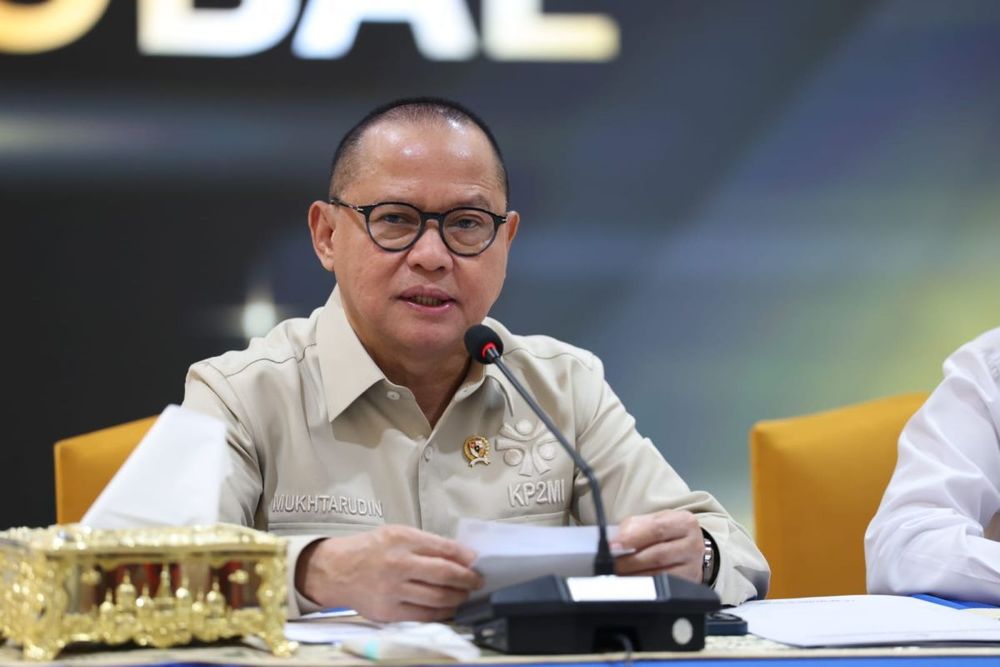
Minister for the Protection of Indonesian Migrant Workers Mukhtarudin announced on Wednesday that the program seeks to create a talent pool with global-standard competencies, professional experience, and work ethics that will enable returning workers to make greater contributions to national development.
"Many former migrant workers who have completed their overseas contracts return home to establish micro-enterprises or pursue better career opportunities in Indonesia," Mukhtarudin stated during a press conference in Jakarta.
Strategic framework and implementation
The ministry has established an eight-point strategic framework divided into five implementation strategies and three ultimate goals. The implementation strategies focus on enhancing human resource quality to meet global labor market demands, ensuring prospective migrant workers utilize legal and safe employment routes, securing high-quality and demand-driven overseas positions, improving worker family welfare while boosting foreign exchange reserves, and maintaining professional, transparent, and integrated program management.
The three ultimate goals encompass positive social impacts such as increased employment opportunities, development of a highly professional workforce, and economic growth driven by remittances. Indonesian migrant workers sent home US$17.255 billion in total remittances in 2025, up from US$15.702 billion in 2024, according to Bank Indonesia data. In the first quarter of 2026, Malaysia emerged as the largest remittance corridor, accounting for US$1.209 billion or approximately 26.7 percent of total remittances, followed by Saudi Arabia at US$1.005 billion.
Ambitious deployment targets
The government aims to facilitate overseas employment for 500,000 talented Indonesians between 2026 and 2029 through the program. This figure comprises 300,000 vocational high school (SMK) graduates and 200,000 individuals from the general public.
To achieve these targets, the ministry plans to train and deploy 40,000 prospective migrant workers in 2026, 140,000 in 2027, 180,000 in 2028, and 140,000 in 2029. The program draws from a substantial pool of potential candidates, as over 5 million students were enrolled in 14,325 vocational high schools across Indonesia during the 2023-2024 school year.
The focus on vocational education aligns with broader government policy. Since the reform era, Indonesian authorities have aimed to invert the ratio of vocational schools to general schools from 30:70 to 70:30, driven by the high number of high school graduates not pursuing further education.
Connection to national vision
"The ministry is optimistic that the SMK Go Global program will serve as a catalyst for producing top-tier talent, expanding safe employment opportunities for skilled workers, and strengthening the nation's competitiveness toward the Golden Indonesia 2045 vision," Mukhtarudin remarked.
The Golden Indonesia 2045 Vision is a national development program officially launched by President Joko Widodo on May 9, 2019, with the goal of positioning Indonesia as the fifth largest economy in the world by 2045, the country's centennial year. The vision targets a GDP of US$7.3 trillion and per capita income of US$25,000.
Mukhtarudin emphasized that the framework represents the government's commitment to optimizing the deployment of migrant workers to develop globally competitive human resources.
"This is precisely what we mean by brain circulation," he added.
The Ministry for the Protection of Indonesian Migrant Workers was established as a new ministry in October 2024 under President Prabowo Subianto's administration, replacing the previous non-ministerial agency BP2MI, signaling elevated government commitment to migrant worker protection and strategic workforce development.