
Indonesia commits Rp4.14 trillion to second wave of National Internship Program
The Indonesian government has allocated Rp4.14 trillion for the second batch of its National Internship Program, which began on August 10, 2026, placing 46,160 university graduates in six-month internships across companies and government institutions.
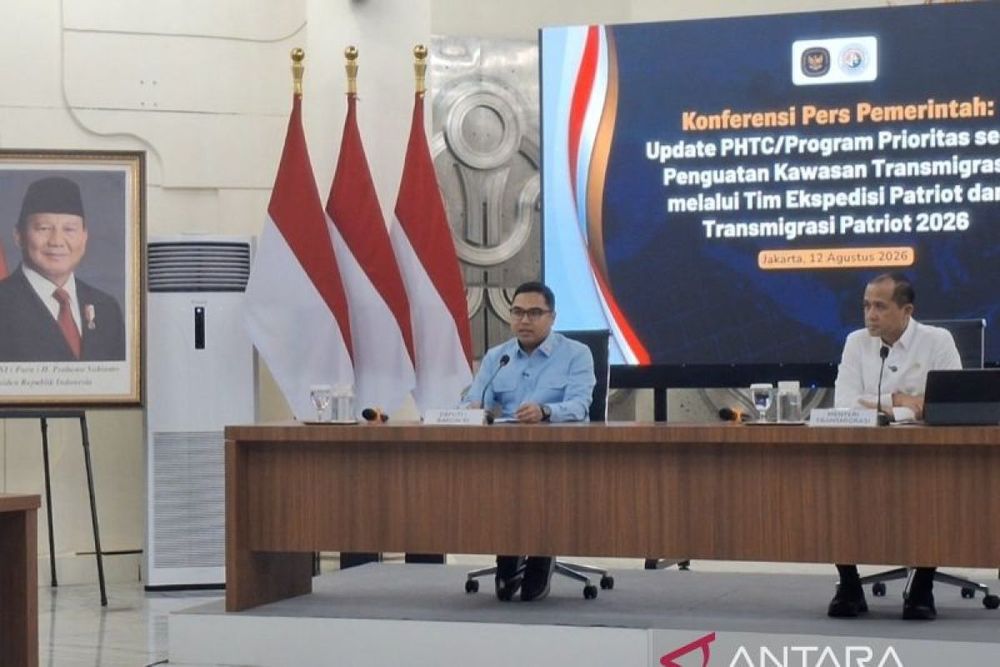
Gov't allocates US$232 million for National Internship Program
The Indonesian government has allocated Rp4.14 trillion (approximately US$232 million) for the second batch of the National Internship Program, launching 46,160 university graduates into six-month internships across private companies and government institutions beginning August 10, 2026.
The funding is part of a broader Rp5.9 trillion workforce development initiative announced in late July 2026, which includes Rp4.2 trillion for the National Internship Program and Rp1.7 trillion for vocational training targeting 300,000 participants. The program forms a key component of President Prabowo Subianto's 8+4+5 economic stimulus package launched in September 2025, which prioritizes social assistance and workforce development.
Deputy I for Strategy and Communication Systems at the Government Communications Agency of Indonesia (Bakom RI) Fahd Pahdepie emphasized the significant public interest in the program during a press conference in Jakarta on Wednesday. The second batch attracted 732,483 applicants, of whom 244,982 were deemed eligible. From this pool, 226,719 prospective participants submitted more than 547,000 applications for various internship opportunities.
After national-level verification and selection, 46,160 participants were appointed to the program, while 242 prospective applicants were not selected because they failed to meet requirements during final verification. The 2026 program targets a total of 150,000 participants divided into three batches of 50,000 each, with demand significantly exceeding available positions.
Addressing youth unemployment crisis
The program responds to a pressing labor market challenge. Youth unemployment in Indonesia stands at approximately 16.26 percent as of November 2025, more than three times the overall national unemployment rate of 4.74 percent. University graduates face an unemployment rate of 5.4 percent, while approximately 60 percent of urban Gen Z workers with bachelor qualifications or higher are employed in jobs below their education level.
Pahdepie stressed that the high number of applicants demonstrates the significant need among young graduates to gain work experience, improve their competencies, and demonstrate their abilities professionally. He added that the National Internship Program should serve as a real bridge to better jobs and careers, not merely place participants in temporary positions.
Program expansion and benefits
The 2026 implementation has expanded eligibility to include professional degree graduates and individuals with disabilities, compared to the first batch which only targeted associate and bachelor's degree holders. Participants receive a monthly allowance equivalent to the regency or city minimum wage for their placement location, ranging from approximately Rp3.5 million to Rp6 million, along with BPJS Employment coverage including work accident and death insurance.
In the second batch, 3,672 organizers participated, comprising 1,830 companies and 1,842 ministries and government institutions. These organizations offered 28,455 internship positions with a total quota of 54,304 participants, divided between 31,251 positions at companies and 23,053 at ministries and government institutions.
Minister of Manpower Yassierli announced earlier in 2026 that the program would expand to reach every province in Indonesia, addressing the current concentration of internships on Java island to ensure more equitable geographic distribution.
Strong track record from first batch
The program's inaugural batch, which ran from October 20, 2025 to April 19, 2026, involved approximately 102,600 university graduates across 8,048 companies and government institutions. That cohort demonstrated strong results, with 95 percent successfully completing their internships.
Pahdepie reported that 66 percent of first-batch participants experienced significant improvements in their competencies, including communication, technical and teamwork skills. Notably, 26 percent of interns received job offers after completing the program. Among those who secured employment, the sectors with the highest absorption were finance at 23.4 percent, wholesale trade at 17.9 percent, manufacturing at 16.5 percent, and healthcare at 10.3 percent.