
Indonesia launches initiative to prepare 100,000 people with disabilities for workforce entry
Manpower Minister Yassierli unveils comprehensive training and skills development programs aimed at enabling people with disabilities to enter the workforce based on competence, supported by a new vocational training center in Bekasi and collaboration across government agencies.
Indonesia launches initiative to prepare 100,000 people with disabilities for workforce entry
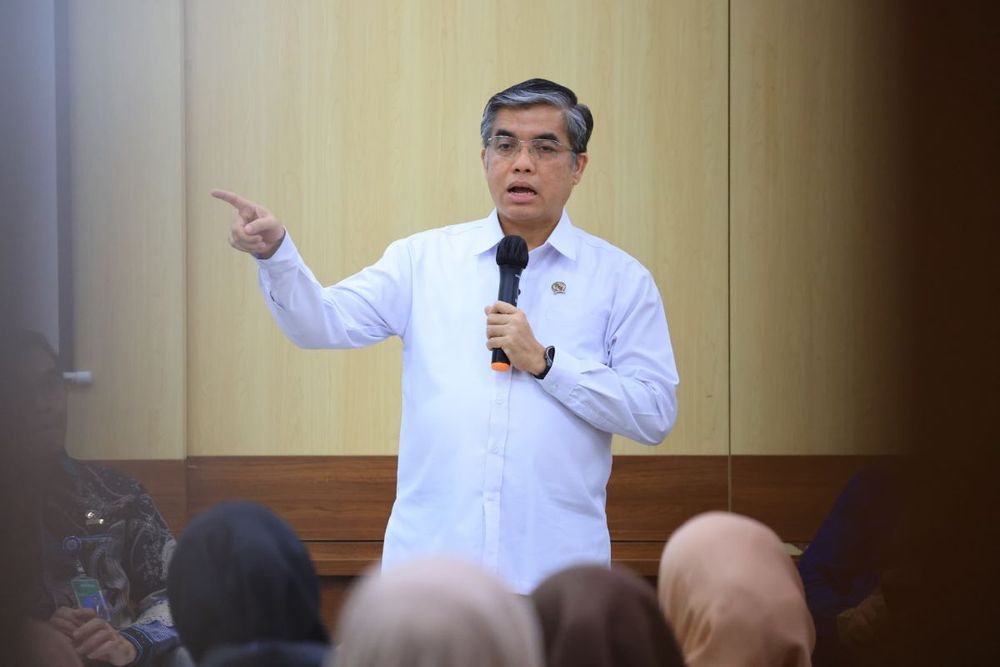
Indonesian Manpower Minister Yassierli has announced an ambitious initiative to equip at least 100,000 people with disabilities with job-ready skills through government-backed training and development programs, emphasizing competence-based employment over charitable hiring practices.
The minister outlined the plan during virtual remarks at the launch of BPJS Ketenagakerjaan's Beneficiary Economic Empowerment and Independence Program on Tuesday. BPJS Ketenagakerjaan, Indonesia's Workers' Social Security Agency established under Law No. 24 of 2011, provides protection programs including work accident insurance and pension schemes.
Central to the initiative is the establishment of a specialized vocational training center for people with disabilities in Bekasi. The facility, known as the Bekasi Center for Vocational Training and Productivity, was originally established in 1985 through cooperation with the Japanese government for human resource development in the ASEAN region and is now being adapted to serve this inclusive training mission.
Competence over compassion
Yassierli, who holds a PhD from Virginia Tech with a background in industrial engineering, stressed that the program aims to create genuine workforce integration.
"We want them to enter the workforce because of their competence, not because of pity,"he stated.
The approach aligns with Indonesia's Law No. 8 of 2016, which mandates employment quotas requiring government institutions and state-owned enterprises to allocate at least 2% of positions to people with disabilities, while private companies must reserve at least 1% of jobs. The government has further strengthened this framework through Minister of Manpower Regulation No. 8 of 2026, which recognizes companies demonstrating commitment to respecting and promoting the rights of workers with disabilities.
According to Indonesian Central Bureau of Statistics data, there were 720,748 workers with disabilities in the country in 2022, representing a 160.18% increase from 277,018 in 2021. Most were employed in the agriculture sector (42.35%), followed by services (39.95%) and industry (17.7%).
Multi-stakeholder collaboration
The minister emphasized the importance of collaboration among the central government, regional governments, BPJS Ketenagakerjaan, the banking sector, and other stakeholders to expand job opportunities and foster economic independence for people with disabilities.
He commended the economic empowerment initiative launched by BPJS Ketenagakerjaan, which enables beneficiaries and heirs to use their compensation payments as business capital. The program could be strengthened through collaboration with the Ministry of Manpower's Independent Workers Program, which provides mentoring and guidance to new entrepreneurs.
The ministry already maintains profiles of thousands of successful independent workers, offering a proven coaching model that could serve as a benchmark for strengthening economic empowerment initiatives, Yassierli noted.
Broader workforce development strategy
The disability employment initiative forms part of a wider national workforce development strategy. The government is expanding its national internship program, targeting 150,000 participants in 2026 and focusing on university graduates who need hands-on experience and skills before entering the job market.
Indonesia launched its 2026 National Vocational Training Program in April, with over 10,000 participants in the first phase selected from 29,850 applicants through the government's Skillhub platform, demonstrating strong demand for skills development opportunities.
The focus on competency-based employment addresses a global challenge. According to data from the International Labour Organization presented at the 2025 Global Disability Summit, the global labour force participation rate among people with disabilities remains approximately 30% lower than that of people without disabilities.
"Our commitment is to put the nation's interests first. Our joy lies in helping lead people to a better place,"Yassierli said, framing the initiative as support for government efforts to strengthen human resources and promote community independence toward a sovereign, just, and prosperous Indonesia.