
Volcanic ash from Anak Krakatau blankets three Indonesian regions as authorities intensify response
Indonesia's disaster agency confirms South Lampung, Tanggamus, and Pandeglang are hardest hit by volcanic ash from Mount Anak Krakatau's eruption, which has grounded flights and stranded over 270,000 passengers across eight airports.
Three regions face Anak Krakatau ash as government bolsters mitigation
Indonesia's National Agency for Disaster Countermeasures (BNPB) confirmed on Monday that South Lampung and Tanggamus districts in Lampung Province, along with Pandeglang in Banten Province, have been most severely affected by volcanic ash following the eruption of Mount Anak Krakatau, which began late on September 4, 2026.
The volcano, located in the Sunda Strait between Java and Sumatra within the seismically active Pacific Ring of Fire, ejected ash plumes reaching approximately 15 kilometers (50,000 feet) above sea level, accompanied by lava fountains. The eruption has spread volcanic ash across parts of western Indonesia, prompting widespread disruptions to aviation and daily life.
Acting Head of BNPB's Disaster Data, Information, and Communication Center Berton Panjaitan stated that central and regional governments are maintaining close surveillance of the situation and coordinating mitigation efforts.
The Ministry of Health has urged residents to observe their health conditions, particularly their respiratory systems, eyes, and skin.
Health warnings and protective measures
Authorities have advised people engaged in outdoor activities to wear protective equipment including masks and eyeglasses, and to wash themselves thoroughly upon returning indoors. Residents in ash-affected areas are encouraged to remain inside whenever possible to minimize health risks.
Panjaitan urged the public to seek immediate medical attention if experiencing respiratory problems. Minister of Health Budi Gunadi Sadikin has directed community health centers, or puskesmas, in affected regions to prepare for potential establishment of health emergency operation centers.
Mass aviation disruption
The eruption has caused severe disruption to air travel, with eight airports halting operations over the weekend. According to Indonesia's Transport Ministry, more than 270,000 passengers have been stranded as of September 7. Affected airports include Soekarno-Hatta, Budiarto, and Pondok Cabe in Banten, Halim Perdanakusuma in Jakarta, Raden Inten II in Lampung, and Husein Sastranegara in West Java. These facilities remained closed as of Sunday afternoon.
The aviation safety concerns stem from the severe threat volcanic ash poses to aircraft engines. Ash particles can melt at the high combustion temperatures of 1,200-2,000°C inside jet engines and accumulate as re-solidified deposits on internal components, potentially causing catastrophic engine failure during flight.
The Ministry of Transportation prioritizes aviation safety and security. Airlines must not insist on flights amid adverse conditions,stated Minister of Transportation Dudy Purwagandhi. The ministry committed to monitoring ash spread and updating flight feasibility assessments every four hours.
Sea transport remains operational
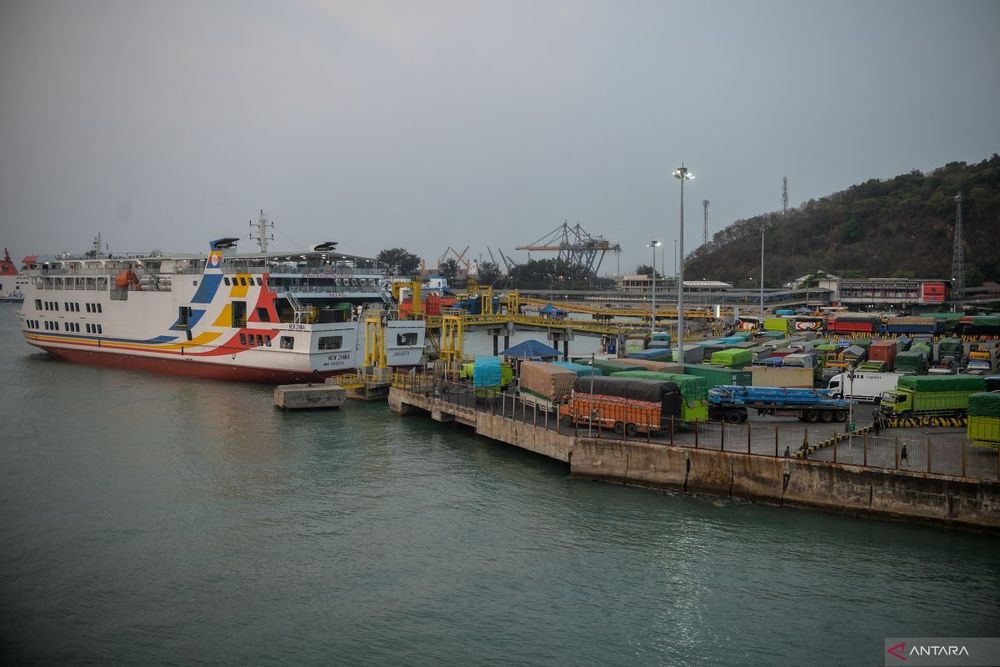
Despite the aviation shutdown, sea transportation across the Sunda Strait continues to operate. Ferry services remain active, though ports have been advised to increase vigilance and update safety information regularly. Travelers are encouraged to wear masks while on board vessels.
Volcano's history and current status
Anak Krakatau, meaning "child of Krakatau" in Indonesian, emerged from the sea between 1927 and 1930 within the caldera left by the catastrophic 1883 eruption of Krakatau that killed more than 36,000 people. Indonesia's Geological Agency had raised the volcano's alert level to Level III—the second-highest tier in the country's four-level volcanic alert system—on July 2, 2026, following increased volcanic activity.
The same regions now affected by ash fall were impacted by a deadly tsunami on December 22, 2018, when a flank collapse of Anak Krakatau during an eruption generated waves that killed at least 437 people and injured tens of thousands along the coasts of Banten and Lampung provinces. That disaster occurred without warning, as the underwater landslide did not produce strong earthquake signals.
However, Indonesia's Geological Agency has assessed that the volcano's growth since the 2018 eruption remains relatively small, and there is currently no potential for a collapse large enough to trigger a tsunami from the present eruption.
Indonesia, situated along the Pacific Ring of Fire, is home to approximately 130 active volcanoes, making it one of the world's most volcanically active regions where eruptions occur frequently.