
Indonesia deploys cloud seeding to wash away Anak Krakatau volcanic ash
National disaster agency prepares weather modification operations to clear ash from Mount Anak Krakatau's eruption affecting Greater Jakarta, Banten and Lampung, as aviation disruption continues.
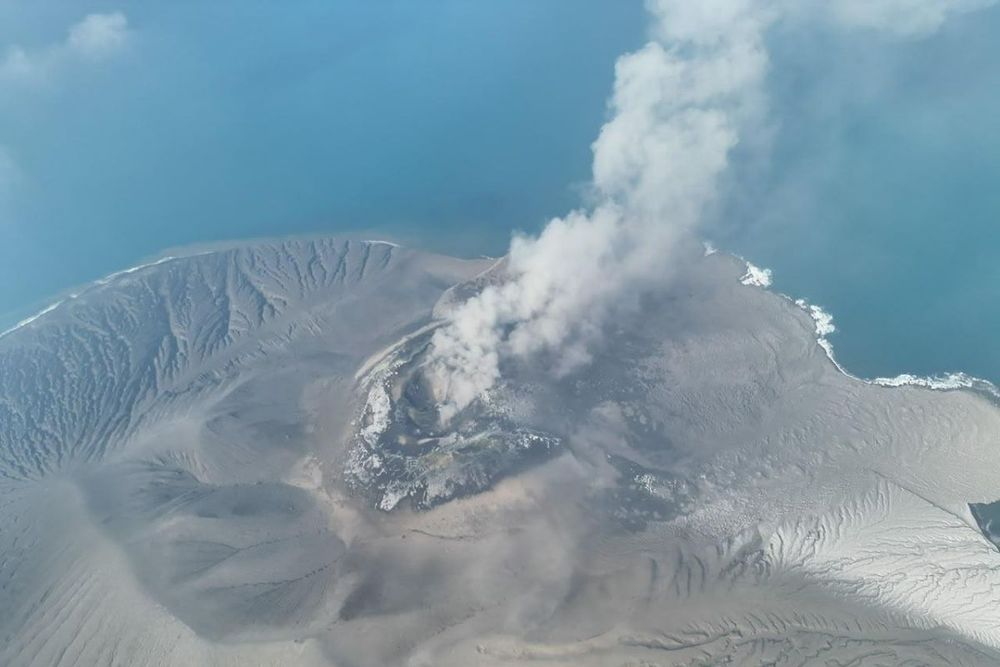
Indonesia deploys cloud seeding to wash away Anak Krakatau volcanic ash
Indonesia's National Disaster Mitigation Agency is preparing cloud seeding operations to clear volcanic ash from Mount Anak Krakatau's recent eruption, which has blanketed parts of Greater Jakarta, Banten, and Lampung and forced multiple airport closures.
BNPB Head Suharyanto announced in Jakarta on Monday that weather modification aircraft are on standby at Pondok Cabe airport, awaiting favorable conditions and flight safety clearance to begin operations. The technique involves seeding existing rain clouds with substances such as salt or sodium chloride to maximize rainfall potential and wash ash from the atmosphere.
The approach represents an established disaster response tool in Indonesia, which has conducted 252 cloud-seeding operations between 2021 and August 2026, up from just 85 in the preceding decade, according to the BMKG weather agency. Most previous operations aimed to redirect rain away from flooded areas or extinguish wildfires.
The volcanic activity has persisted since July 2, 2026, when authorities raised Anak Krakatau's alert status to Level III (watch), the second-highest level in Indonesia's four-tier volcanic alert system. The sustained eruption episode disrupted operations at eight airports before ending after 25 hours, prompting officials to identify alternative aviation routes.
Volcanic ash poses severe aviation hazards as particles can cause engine failure, abrade aircraft surfaces, and damage windshields. The International Civil Aviation Organization established global monitoring systems under the International Airways Volcano Watch to coordinate mitigation procedures when volcanic ash threatens flight operations.
BNPB is coordinating with regional disaster management agencies to monitor ground conditions and assess response needs. The agency has deployed personnel to affected areas and is preparing water misting operations to enhance rainfall chances. Suharyanto called on local governments to ensure readiness of early warning systems, evacuation shelters, contingency plans, and supplies of food and basic necessities.
If additional supplies are needed, we will push assistance from the central government
Suharyanto said. He noted that no affected regions have declared states of emergency, but BNPB will continue coordination with relevant ministries to anticipate further volcanic activity and public impact.
Volcano's destructive history
Anak Krakatau emerged from the sea in 1927 within the caldera formed by the catastrophic 1883 eruption of Mount Krakatau, which killed an estimated 36,000 people. That historic eruption produced the loudest sound in recorded history, heard up to 4,800 kilometers away, and ejected approximately 25 cubic kilometers of material into the atmosphere, causing global temperatures to drop by 1.2 degrees Celsius for five years.
The volcano demonstrated its continued danger on December 22, 2018, when a partial collapse of its southwestern flank triggered a tsunami that killed at least 437 people and injured more than 7,200 others along the coasts of southern Sumatra and western Java. The disaster struck without warning because Indonesia's tsunami alert network is designed to detect earthquakes, not volcanic flank collapses, and the landslide produced no strong seismic waves to trigger alarms.
The 2018 collapse dramatically reduced Anak Krakatau's height from 338 meters to approximately 110 meters, though the volcano has since resumed growing. This dynamic behavior underscores the importance of continuous monitoring and preparedness measures now being coordinated across affected regions.