
Indonesia Mobilizes Cross-Region Brimob Forces to Combat Escalating Forest Fire Crisis
The Indonesian National Police deploys Mobile Brigade Corps personnel and specialized equipment from multiple regions to support firefighting operations in South Sumatra and Central Kalimantan as forest fires reach crisis levels.

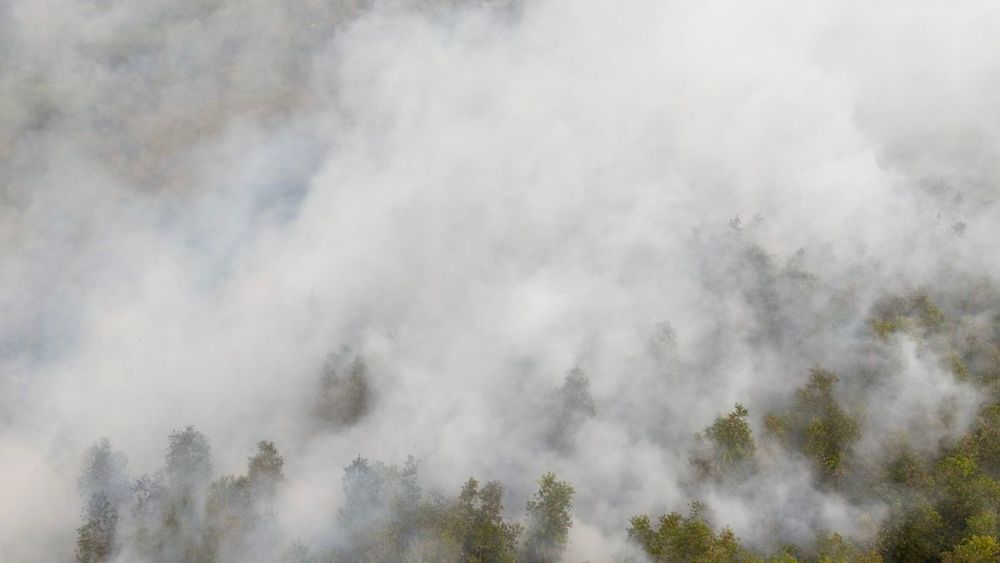
Polri Deploys Cross-Region Brimob Personnel to Address Forest and Land Fires
The Indonesian National Police has mobilized Mobile Brigade Corps (Brimob) personnel from across the country to reinforce firefighting operations as the nation battles one of its worst forest and land fire crises in recent years. The deployment includes specialized equipment and hundreds of officers sent to provinces requiring intensive intervention.
Inspector General Johnny Eddizon Isir, Chief of Polri's Public Relations Division, announced on Saturday that the cross-region deployment forms part of broader efforts to strengthen operational capacity in fire-affected areas. "Polri is mobilizing personnel and supporting equipment from various regional units to assist in managing forest and land fires based on field requirements," Johnny stated.
The scale of the 2026 fire crisis has been unprecedented. As of August 18, approximately 202,000 hectares of forests and land had burned across Indonesia, representing a 110% increase compared to the same period during the last El Niño year in 2023. The fires have exposed more than 12.5 million people across seven provinces to hazardous haze, with respiratory infections linked to the fires reaching 113,336 cases by September 9.
The Brimob deployments are part of a massive nationwide response. According to Indonesia's National Disaster Mitigation Agency (BNPB), firefighting operations have grown from more than 39,000 personnel in early September to over 60,000 personnel currently engaged in joint operations across affected regions.
Central Kalimantan and South Sumatra have emerged as priority areas for the response. BNPB has deployed 4,686 personnel in Central Kalimantan and 12,285 personnel in South Sumatra as of mid-October. The Brimob reinforcements are being directed to these critical zones.
Specialized Equipment Deployed
The Mobile Brigade Unit of the Lampung Police recently dispatched six personnel along with two Armored Water Cannon (AWC) vehicles to South Sumatra. The team includes four AWC operators and two drivers, with the vehicles serving as vital operational support for officers conducting firefighting operations in the field.
Before the Lampung deployment, Polri had already sent substantial Brimob reinforcements to affected areas. On Thursday, October 15, 200 additional personnel from Brimob I Korbrimob Polri were dispatched to South Sumatra. The following day, the West Nusa Tenggara Police sent 200 Brimob personnel to Central Kalimantan.
Johnny emphasized that personnel assignments and task execution are adjusted according to operational needs and field conditions in each region. "This support is expected to accelerate firefighting efforts, increase preparedness, and minimize the impact of fires on communities and the environment," he added.
Indonesia's Peatland Challenge
The fires present unique challenges because Indonesia holds approximately 36 percent of the world's tropical peatlands. Unlike ordinary forest fires, peatland fires burn deep underground and smolder for weeks or months, producing about three times more fine particulate matter than other tropical forest fires.
Of Indonesia's estimated 24.2 million hectares of peatland, 16.4 million hectares have been degraded and are vulnerable to fire. Drainage canal networks stretch about 285,000 kilometers across the country—approximately seven times the circumference of the Earth—creating conditions that make peatlands highly susceptible to burning when dried by drought.
The environmental crisis has taken on an international dimension, with haze crossing borders into Malaysia, Singapore, Brunei, and the Philippines. In late August, the ASEAN Specialised Meteorological Centre activated its highest transboundary haze alert (Level 3) in response to widespread smoke drifting across the region.
Law Enforcement and Prevention
Beyond firefighting operations, Indonesian police have pursued criminal investigations into the fires' origins. As of early September, authorities had arrested 72 people on suspicion of starting forest fires. Human activities involving land clearing for agricultural or mining purposes are suspected to be the main driving factor behind the wildfires.
Polri has called on the public to refrain from clearing land by burning and urged communities to report fire hotspots near residential areas or forested regions to authorities immediately. "Community participation and cross-agency coordination are essential for early detection of potential fires," Johnny stated.
The Mobile Brigade Corps, formed on November 14, 1945, is the oldest and serves as the special operations and tactical unit of the Indonesian National Police, with approximately 53,593 officers. The deployment of Brimob personnel represents a significant commitment of Polri's specialized resources to the firefighting effort.
As operations continue, the cross-region support system allows Polri to concentrate experienced personnel and advanced equipment in the areas facing the most severe fire activity, adapting deployments as conditions evolve across the archipelago.