
South Sulawesi wildfires threaten ancient cave art and reach Torajan burial sites
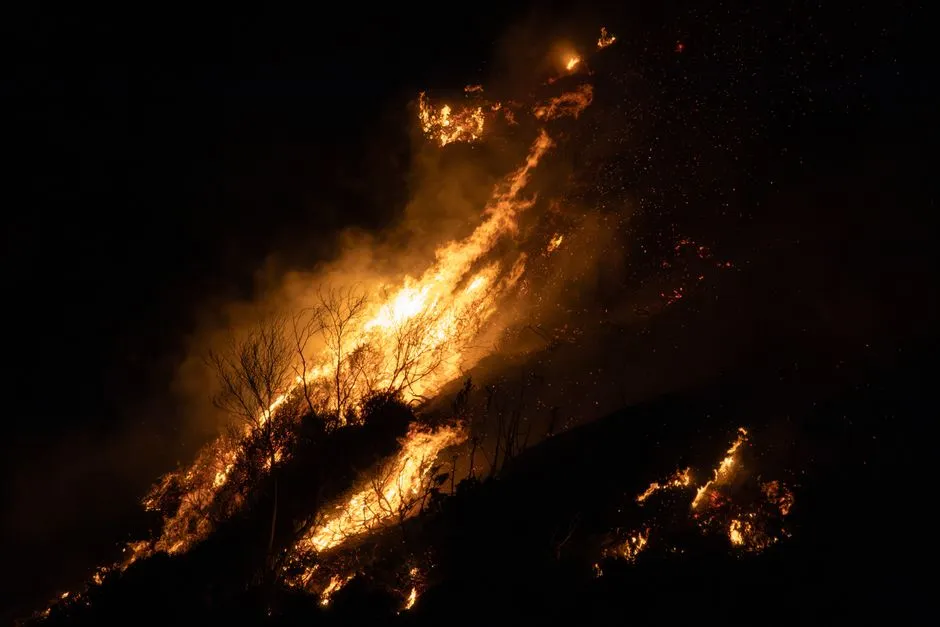
Wildfires in South Sulawesi are threatening prehistoric paintings in Bantimurung Bulusaraung National Park, while a separate blaze has swept through land containing traditional Torajan stone graves. The Jakarta Post reported that indigenous relics in the province had already burned in fires allegedly linked to agricultural land clearing.

Heat and smoke threaten cave paintings
Bantimurung Bulusaraung National Park, a UNESCO-recognized biosphere reserve spanning 43,000 hectares, includes part of the archaeological heritage now at risk. The park extends across the Maros, Pangkep and Bone regencies and encompasses the Maros-Pangkep karst landscape.
A 2025 UNESCO document lists at least 238 prehistoric cave sites in that landscape. About 187 caves have ancient drawings, including an image of human-like figures interacting with a pig. Dated to at least 51,200 years ago, that painting ranks among the world's oldest known examples of rock art.
Archaeologists warn that fires near the caves can raise temperatures inside them and gradually damage the paintings' physical features. Heat and smoke may hasten deterioration, while soot can obscure the rock surfaces.
Firefighters confront the park's largest recorded blaze
Repeated forest fires have kept local crews on alert for three weeks. At least 36 firefighters remained deployed as of Wednesday, and the park office said more than 154 hectares had burned since late September, an area roughly equivalent to 216 soccer fields.
Park head Abdul Rajab told Kompas.id that the October 2026 fire was the largest ever recorded in the park. He contrasted fires covering dozens of hectares over the previous decade with this outbreak, which ignited at several locations nearly at once and spread across hundreds of hectares.
The damage also extends to endemic wildlife, according to Kompas.id. Observers saw Sulawesi macaques, known as yaki, fleeing and hornbills, eagles and other birds taking flight. Tarsiers inhabiting bamboo groves were also threatened. Park teams reported finding chameleons, snakes and charred birds; they were still documenting the effects on wildlife, vegetation and carbon.
Authorities planned to investigate how the fire started. They identified widespread honey harvesting within the park as a possible source of ignition and cited reports of potential land clearing both inside and around its boundaries. Rajab emphasized that these suspicions remained unverified.
Torajan heritage sites await assessment
The North Toraja District fire was separate from the national park outbreak. It began on October 24, 2026, and crews extinguished it in about 16 hours, ANTARA News reported.
Around seven hectares burned across Rangri and Ratte, two villages locally called lembang. The burned area included land containing traditional Torajan stone graves. Indonesia's National Disaster Mitigation Agency, known as BNPB, said local authorities were still assessing the condition of the cultural heritage sites.