
Student Alliance Calls on ASEAN to Assess Indonesia's Haze Compliance
Gadjah Mada University students have written to ASEAN's Secretary-General requesting an independent evaluation of Indonesia's adherence to regional transboundary haze agreements amid the country's worst wildfire crisis in over a decade.

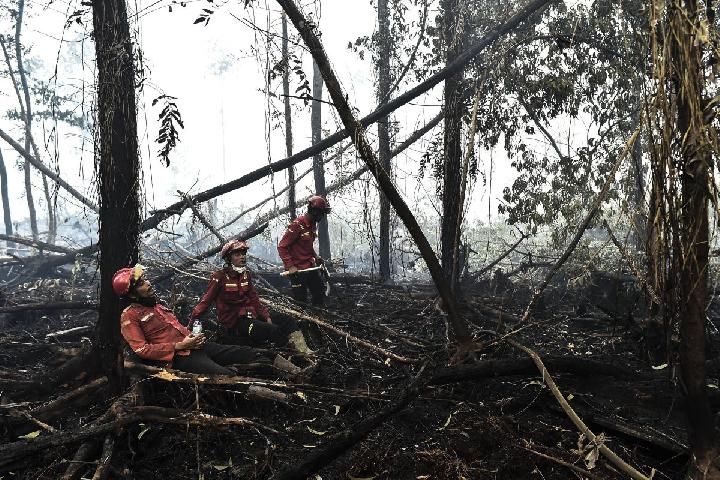
UGM Students Urge ASEAN to Hold Indonesia Accountable for Haze
The Student Alliance of Gadjah Mada University has formally requested that ASEAN conduct an independent assessment of Indonesia's compliance with regional environmental obligations as the country grapples with its most severe wildfire crisis in 11 years.
In an open letter addressed to ASEAN Secretary-General Kao Kim Hourn on Saturday, October 17, 2026, SEMA UGM chair Mesa Syafitra called for a transparent evaluation of Indonesia's adherence to the ASEAN Agreement on Transboundary Haze Pollution. The legally binding treaty, signed by all member states in 2002, establishes cooperative frameworks to prevent and manage land and forest fires across Southeast Asia. Indonesia became the final ASEAN nation to ratify the agreement on January 20, 2015.
The student organization's appeal comes as Indonesian authorities have warned that fires could persist until November 2026. By early August, West Kalimantan alone had seen 28,680 hectares burned, representing more than half of the 48,889 hectares destroyed across six priority provinces. A Greenpeace analysis estimates that approximately 40 million people across Indonesian Borneo and Sumatra have been exposed to smoke haze over the preceding two months.
Legal Action Against Government
The haze crisis has prompted residents of West Kalimantan to pursue legal recourse. A class action lawsuit was registered at the Pontianak District Court on September 17, 2026, with the first hearing convened on October 7. The plaintiffs include the West Kalimantan chapter of the Indigenous Peoples Alliance of the Archipelago, environmental organization Laman Punyung Indonesia, the West Kalimantan Catholic Youth, and citizen-activist Sisilius Rami.
The lawsuit alleges negligence by President Prabowo Subianto, Vice President Gibran Rakabuming Raka, and other government officials in preventing and addressing the fires. This legal challenge follows a similar precedent from 2016, when seven Indonesian residents sued then-President Joko Widodo and his cabinet over the handling of 2015 forest fires.
Mesa emphasized that the ongoing crisis has disrupted children's education, endangered public health, and forced communities to fight for their fundamental right to clean air. The environmental impacts have extended beyond Indonesia's borders, affecting neighboring countries throughout the region.
Regional Assistance Delayed
In their letter, SEMA UGM urged the Prabowo-Gibran administration to declare the forest fire situation a national disaster and accept regional assistance to accelerate firefighting efforts. The students highlighted that offers of help from Malaysia and Singapore were reportedly absent from discussions during a joint meeting with the President on October 12, 2026.
Malaysia's Deputy Prime Minister confirmed on October 13 that his country had received no response from Indonesian counterparts regarding firefighting assistance, despite weeks of outreach. However, on October 15, Indonesian Foreign Minister Arrmanatha Nasir announced that President Prabowo Subianto had approved foreign assistance after extended deliberations.
The student alliance stressed that the government must prioritize public safety by mobilizing all available resources, including support from neighboring nations. They argued that Indonesia's compliance with the regional haze agreement must be demonstrated through effective fire control, restoration of community rights, and accountability for those responsible.
Call for Regional Solidarity
Beyond diplomatic channels, SEMA UGM requested that ASEAN demonstrate solidarity with affected communities, firefighting personnel, groups documenting corporate activities linked to fires, and citizens advocating for justice through legal proceedings and public advocacy.
The student organization contended that closed-door diplomacy and statements of concern are insufficient responses to the current crisis. Their letter concluded with a pointed message:
The smoke has crossed our border, our solidarity must do the same.