
House Speaker Puan Maharani Calls for Stronger Government Action as Forest Fires Continue to Impact Communities
Speaker of the House Puan Maharani urges the government to strengthen protections for citizens affected by ongoing forest and land fires, as 639 hectares remain ablaze and health impacts mount across multiple provinces.

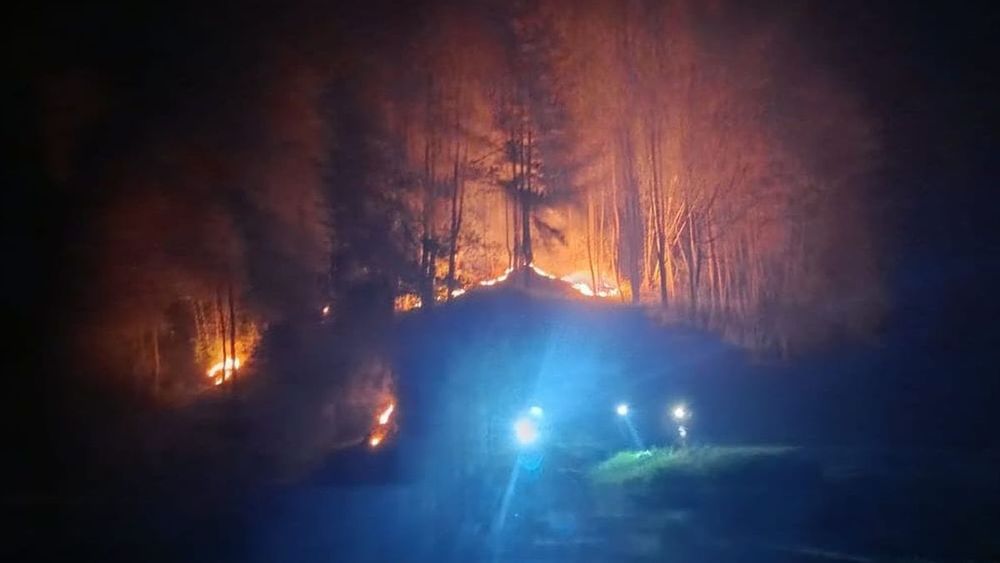
Puan Maharani: Karhutla Remains Unresolved, Many Citizens Feel the Impact
Speaker of the House of Representatives Puan Maharani has called on the government to intensify efforts to protect communities affected by forest and land fires that continue to burn across multiple Indonesian provinces, directly impacting the health, security, and livelihoods of thousands of citizens.
In a statement issued Tuesday, Puan emphasized that the fire crisis remains uncontrolled despite government intervention. As of October 9, authorities recorded 7,555 hotspots and 196 active fire locations across six priority provinces. South Sumatra accounts for 2,207 hotspots and 72 fire spots, while Central Kalimantan reported 3,511 hotspots and 67 fire spots.
The largest active blaze is at Taman Nasional Tanjung Puting in Central Kalimantan, spanning 513.89 hectares. President Prabowo Subianto identified this as a newly discovered fire during a cabinet briefing on October 12. The National Disaster Management Agency reported that 639.23 hectares of land were still being actively managed as of Monday.
Health Crisis and Community Displacement
The prolonged fire season has taken a severe toll on public health. Between August and September 21, the Ministry of Health recorded 174,694 cases of acute respiratory infections linked to smoke exposure from the fires.
Puan stressed that families in affected areas face a dual burden of protecting their health while simultaneously trying to meet basic needs under uncertain conditions. Many have lost income sources and struggle with daily expenses as economic activities in fire-affected regions grind to a halt.
Many families are trying to safeguard their well-being while also fulfilling their living needs. The government needs to provide assurance that they will receive support during this period and have a path to recover afterwards.
Scope of the Crisis
The 2026 fire season represents a significant escalation from previous years. From January through June alone, 202,004 hectares of land burned across Indonesia, marking a 69 percent increase compared to the same period in 2023. Fire monitoring data shows 17,595 alerts between October 2025 and October 2026, an unusually high figure compared to any year since 2012.
Several Kalimantan provinces have maintained emergency alert status for months. Central Kalimantan's alert extends through October 31, South Kalimantan declared emergency measures from July 6 through October 31, and West Kalimantan has held provincial alert status since February 2.
The fires have generated transboundary pollution affecting neighboring countries. Malaysia has offered firefighting assistance comprising one aircraft, three helicopters, and 52 personnel, though Indonesia had not responded to the offer as of October 12.
Calls for Sustained Government Support
The PDI-P politician argued that both central and local governments must align firefighting operations with comprehensive protection measures for affected residents. She emphasized that government support must continue throughout the duration of the crisis, not just during peak emergency periods.
The central and local governments must reinforce the agenda for community protection during the protracted karhutla.
She added that when authorities limit residents' activities for safety reasons, parallel support for family livelihoods must be provided.
Puan specifically cautioned against reducing assistance simply because air quality metrics show improvement. She urged officials to assess whether communities can actually return to work, operate businesses, and meet family needs before scaling back support programs.
Decisions to reduce support should also take into account the actual recovery experienced by the community. The government can help by maintaining support as long as it is needed and enabling residents to resume their livelihoods.
Government Response
Despite the scale of the crisis, Indonesia has declined to declare the situation a national disaster. Coordinating Minister for Political and Security Affairs Dudung Abdurachman stated on October 12 that the government is still able to handle it following a cabinet meeting chaired by President Prabowo.
The president has requested an additional 70,000 forest police personnel to strengthen forest protection and prevent future fires, signaling a longer-term preventive approach alongside immediate firefighting efforts.
Environmental groups note that the crisis is partly linked to land use patterns. According to NGO Walhi, 74 percent of hotspots in Kalimantan are located within corporate concession areas, including oil palm plantations, mining concessions, and forest utilization permits.
Puan's statement underscores mounting pressure on the government to demonstrate that its response matches the severity and duration of the crisis affecting communities across multiple provinces.