
Expert Questions Bore Well Strategy as Indonesia Battles Peatland Fire Crisis
President Prabowo allocates IDR 2 billion for 200 bore wells in Tanjung Puting National Park to combat forest fires, but public policy expert warns that proper research and long-term management planning are essential for the initiative's success.

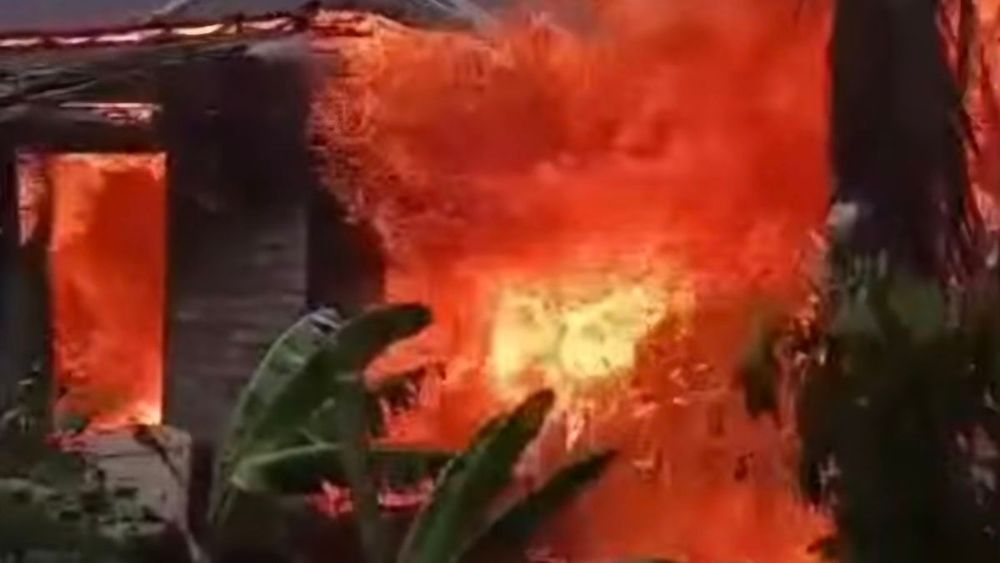
200 Bore Wells to Address Karhutla in Tanjung Puting, Expert Stresses Importance of Research
President Prabowo Subianto has allocated IDR 2 billion to establish 200 bore wells in Tanjung Puting National Park, Central Kalimantan, as part of efforts to combat devastating forest and land fires that have ravaged the region. However, a public policy expert has raised concerns about the adequacy of research underpinning the decision and the need for comprehensive long-term management.
Lina Miftahul Jannah, a public policy expert from the University of Indonesia, emphasized that the increased number of bore wells requires thorough study, particularly since military commanders initially calculated that only 50 wells would be necessary. The president's decision represents a fourfold increase from the original proposal by XXII/Tambun Bungai Military Commander Major General Zainul Arifin.
"The addition needs to be studied, especially since it was previously calculated that only 50 wells were necessary. It's not just about the number of wells; I think this policy also needs to consider who will manage them after they are established."
Scale of the Crisis
The bore well initiative comes as Indonesia confronts one of its most severe fire seasons in recent years. As of October 2026, approximately 202,000 hectares of forests and land have burned across the country, with Central Kalimantan recording over 5,900 hotspots, making it one of the most heavily affected provinces. More than 12.5 million people across seven Indonesian provinces have been exposed to hazardous haze, with respiratory infections reaching 113,336 cases by early September.
The crisis has been intensified by a strong El Niño phenomenon, which dried out normally wet peatlands. Approximately 90 percent of Indonesia received little to no rainfall in early August 2026, creating conditions that allowed fires to spread rapidly through the country's vast peatland areas.
Why Peatland Fires Are Different
Tanjung Puting National Park, established in 1982 and covering approximately 415,040 hectares, comprises diverse ecosystems including peat swamp forests, lowland tropical rainforests, and mangroves. Indonesia contains approximately 36 percent of the world's tropical peatlands, with major deposits in Kalimantan, Sumatra, and Papua that become highly flammable during drought conditions.
Peatland fires present unique challenges that conventional firefighting methods struggle to address. These fires burn underground through dried organic soil deposits, producing approximately three times more fine particulate matter, five times more sulfur dioxide, three times more organic carbon, and twice as much methane and carbon monoxide compared to typical tropical forest fires. They can smolder underground for months and are extremely difficult to extinguish with conventional methods like water bombing, as the fire continues beneath the surface even after visible flames are extinguished.
Major General Zainul Arifin highlighted these challenges during discussions with the president, noting the difficulty of bringing fire trucks to burning areas in Tanjung Puting due to its swampy terrain. This prompted the bore well proposal as an alternative firefighting approach.
Call for Comprehensive Solutions
Beyond questioning the management plan for the bore wells, Lina urged the government to explore alternative solutions, including firebreak engineering and hydrant systems. She criticized what she described as a reactive approach to disaster response, noting that interventions often come only after communities have suffered extended exposure to hazardous conditions.
"Why is it only after three months that this is suddenly being considered? And this problem isn't just happening in Kalimantan; it's been a long-standing issue in Sumatra as well."
Environmental groups have identified underlying causes that bore wells alone may not address. Analysis found that 74 percent of fire hotspots in Kalimantan in 2026 were located within corporate concession areas, including oil palm plantations, mining concessions, and forest utilization permits.
Regional and Conservation Impact
The fires threaten not only human health but also critical wildlife habitat. Tanjung Puting National Park is renowned for its orangutan conservation efforts, with an estimated 6,000 Bornean orangutans inhabiting the reserve. Forest fires pose a major threat to this endangered population.
The transboundary haze from Indonesia's fires has affected neighboring countries including Malaysia, Singapore, and the Philippines, triggering school closures and emergency declarations in parts of Malaysian Borneo, underscoring the regional significance of effective fire management.
Presidential Commitment
During a limited meeting at the Presidential Palace on Monday, President Prabowo confirmed the funding allocation.
"I'll send IDR 2 billion for 200 points,"he stated, approving bore wells at IDR 10 million each. The decision reflects the government's recognition of the urgent need for improved firefighting infrastructure in areas where traditional approaches have proven inadequate.
Whether the bore well strategy will prove effective in combating Indonesia's persistent peatland fire problem may depend on the comprehensive planning and management systems that experts like Lina say are essential for long-term success.