
Indonesia's 125-ton hydrogen surplus presents opportunity for clean public transport
State electricity company PLN has identified an annual surplus of 125 tons of hydrogen that could power clean transportation initiatives, as the nation advances ambitious hydrogen infrastructure plans worth US$2 billion across 93 projects.
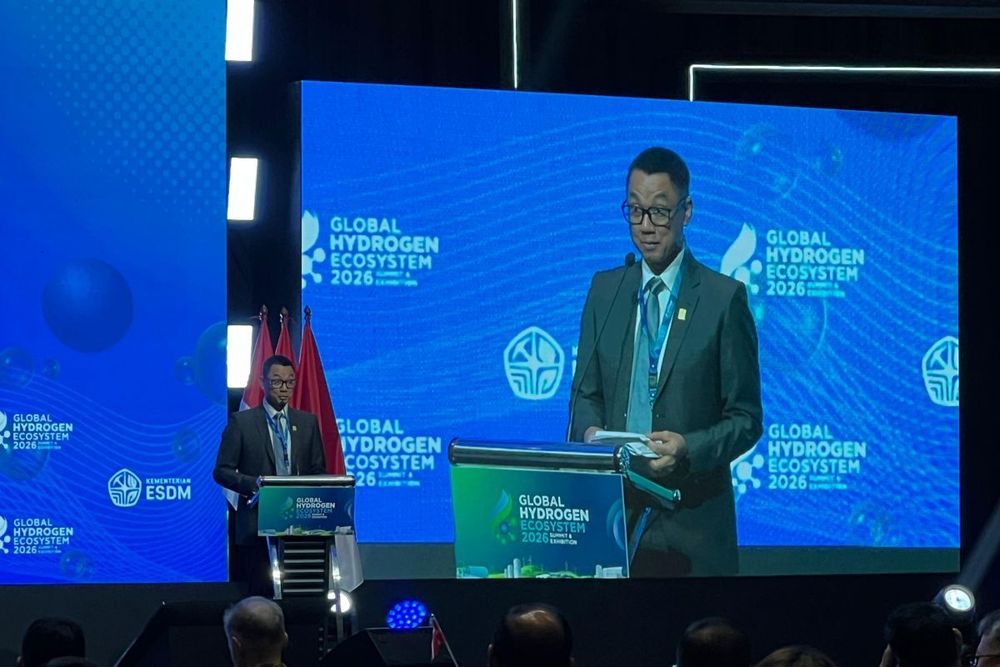
PLN sees 125-ton hydrogen surplus as clean transport opportunity
Indonesia's state electricity company PT PLN (Persero) has revealed a significant untapped resource for advancing clean transportation: an annual surplus of 125 tons of hydrogen currently sitting idle across its power generation facilities.
Speaking at the Global Hydrogen Ecosystem Summit & Exhibition 2026 in Jakarta on Tuesday, PLN President Director Darmawan Prasodjo outlined the scale of the opportunity. The company produces 200 tons of hydrogen annually across its 24 Green Hydrogen Plants nationwide, with 13 facilities operated by PLN Indonesia Power at locations including Pangkalan Susu, Suralaya, Cilegon, Lontar, Tanjung Priok, and the Kamojang geothermal plant.
Of this total production, only 75 tons are consumed internally as coolant for power generators—a function for which hydrogen is particularly effective due to being seven times more efficient as a heat transfer medium than air. Nearly 70 percent of electric power generators over 60 MW worldwide use hydrogen cooling to reduce friction losses and improve fuel-to-electricity conversion efficiency.
Infrastructure ready, vehicles needed
The infrastructure to utilize the surplus hydrogen already exists. PLN partnered with state energy firm PT Pertamina to establish Hydrogen Refueling Stations, with Indonesia's first station inaugurated in Senayan, Jakarta on February 21, 2024. However, vehicle adoption remains the critical missing piece.
"The Hydrogen Refueling Station is already operational and ready for use. However, the cars are not yet available," Darmawan noted, highlighting the chicken-and-egg challenge facing hydrogen mobility.
To address this gap, Darmawan urged Energy and Mineral Resources Minister Bahlil Lahadalia to coordinate with Jakarta Governor Pramono Anung on integrating hydrogen-powered buses into the TransJakarta public transit system. PLN has already initiated discussions with commercial vehicle manufacturers from Japan, Germany and China to procure suitable buses.
The focus on public transportation is strategic. Indonesia's transportation sector contributes 44 percent of the nation's total carbon emissions, making it a priority area for decarbonization efforts under the National Hydrogen and Ammonia Roadmap and Government Regulation Number 40 of 2025 on National Energy Policy.
Broader hydrogen ecosystem taking shape
The PLN initiative is part of a comprehensive national strategy. At the same summit, Indonesia unveiled plans for a 194-kilometer Green Hydrogen Corridor linking Jakarta, Karawang, and Patimban to connect clean energy production with industrial hubs and ports. The government is actively overseeing 93 hydrogen-related projects valued at US$2 billion, aligned with the Energy Ministry's directive to accelerate "dedieselization" of power generation and transportation.
The government has also launched a Hydrogen Diesel Dual Fuel pilot bus program in partnership with state-owned transit operator Perum DAMRI, which modifies conventional diesel engines to run on a blend of diesel and hydrogen. Meanwhile, Toyota Motor Manufacturing Indonesia is constructing a hydrogen refueling station in Karawang to support vehicle demonstrations, indicating private sector engagement in building the hydrogen ecosystem.
Should the government proceed with hydrogen-powered public transit, PLN and Pertamina are prepared to jointly procure and deploy the vehicle fleet. "Pertamina and PLN will jointly provide the buses. The hydrogen buses will then bear the logos of ESDM, PLN and Pertamina. We are collaborating to develop hydrogen-based transportation," Darmawan said.
Minister Bahlil has suggested that rising geopolitical tensions and tighter global oil supplies could soon make hydrogen fuel cost-competitive with petroleum products, though hydrogen currently costs slightly more than B50 biodiesel for transportation use. The minister expects hydrogen vehicles to become competitive with electric vehicles within the next decade, positioning Indonesia's current hydrogen surplus as a timely opportunity to accelerate the transition to clean mobility.