
Indonesia Plans to Cut Green Hydrogen Costs by Channeling Excess Renewable Energy
The Indonesian government is pursuing a strategy to reduce green hydrogen production costs by redirecting surplus electricity from hydroelectric and solar power plants into hydrogen manufacturing, a move that could make clean hydrogen competitive with conventional alternatives.
Indonesia Plans to Cut Green Hydrogen Costs by Channeling Excess Renewable Energy
Indonesia is developing a cost-reduction strategy for green hydrogen production by utilizing surplus electricity generated from its expanding renewable energy infrastructure, according to the Energy and Mineral Resources Ministry.
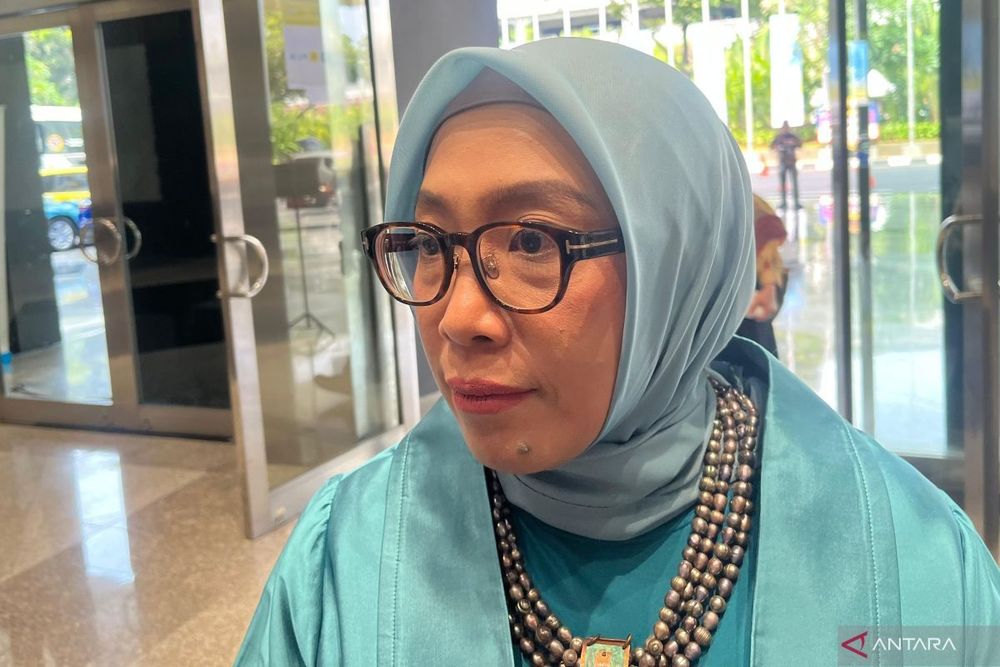
Eniya Listiani Dewi, Director General of New, Renewable Energy and Energy Conservation at the ministry, outlined the approach during a briefing on Wednesday. The strategy involves diverting electricity that cannot be absorbed by the national grid directly into hydrogen production facilities.
"Hydrogen can be cheap if we produce it using excess electricity," Eniya stated, emphasizing that this method would become increasingly viable as Indonesia scales up its solar capacity.
Massive Solar Expansion Drives Strategy
The approach gains significance against the backdrop of Indonesia's ambitious renewable energy targets. With current installed solar capacity standing at approximately 1.49 gigawatts, President Prabowo Subianto has set a goal of developing 100 gigawatts of solar power between 2026 and 2028, requiring an estimated investment of US$71.3 billion.
Eniya explained that once national solar power capacity reaches 100 gigawatts, excess electricity generated during peak daylight hours—when grid demand typically drops—could be channeled into hydrogen production rather than requiring expensive battery energy storage systems.
"A 100-gigawatt solar power system with high utilization will not necessarily rely on battery storage. When connected to the grid during the day and demand drops, we can simply switch to hydrogen production," she noted.
Current Cost Gap Remains Significant
Green hydrogen production currently faces substantial cost challenges. Production costs range from US$3 to US$7 per kilogram, compared to US$1 to US$2 per kilogram for traditional gray hydrogen, US$1.5 to US$3 per kilogram for blue hydrogen, and US$0.5 to US$1.5 per kilogram for naturally occurring white hydrogen.
Market analysis indicates that the levelized cost of green hydrogen from electrolysis in Indonesia currently ranges from US$4.5 to US$6.5 per kilogram in 2026, with projections showing a decline to US$2.8 to US$4.0 per kilogram by 2035 as renewable power costs fall. The energy intensity of electrolysis—requiring approximately 50 to 55 kilowatt-hours of electricity per kilogram of hydrogen produced—makes the cost of input electricity a critical factor.
Domestic Industrial Applications
Eniya emphasized that affordable hydrogen holds strong potential to support domestic industrial growth, particularly in the fertilizer and chemical sectors, which currently depend heavily on imported raw materials. Indonesia currently consumes approximately 1.75 million tons of hydrogen annually, with 88 percent used for urea production, 4 percent for ammonia production, and 2 percent for oil refining. All current supply is dominated by gray hydrogen with high carbon intensity.
Because hydrogen functions as a secondary energy carrier produced from primary energy sources, its development remains closely tied to the availability and cost of underlying power generation.
Policy Framework and Infrastructure Development
The government has formalized its commitment to hydrogen development through Government Regulation No. 40 of 2025, which designated hydrogen and ammonia as strategic new energy sources. The regulation targets a 10 to 12 percent contribution to the national primary energy supply by 2060.
To support deployment, Indonesia is developing a 194-kilometer Green Hydrogen Corridor connecting Jakarta, Karawang, and Patimban, linking clean energy production with major industrial hubs, key ports, and economic growth centers.
The strategy builds on Indonesia's vast untapped renewable energy potential of approximately 3,689 gigawatts, of which only 0.3 percent has been utilized so far, including more than 200 gigawatts of potential solar power capacity.
In addition to green hydrogen, the ministry is also exploring the potential of natural or white hydrogen—extracted directly from underground deposits—as a long-term primary energy source to support the country's broader clean energy transition.
The renewable energy expansion underpinning this hydrogen strategy is supported by Indonesia's Just Energy Transition Partnership, a US$20 billion initiative launched in 2022 that targets peaking on-grid emissions by 2030 and reaching net zero by 2050.