
Nambo Beach Records Rp1.2 Billion in Revenue Through October 2026
Nambo Beach in Kendari, Southeast Sulawesi, recorded 96,628 visits and about Rp1.2 billion in local revenue from January through October 2026, according to the city's Tourism and Creative Economy Office.

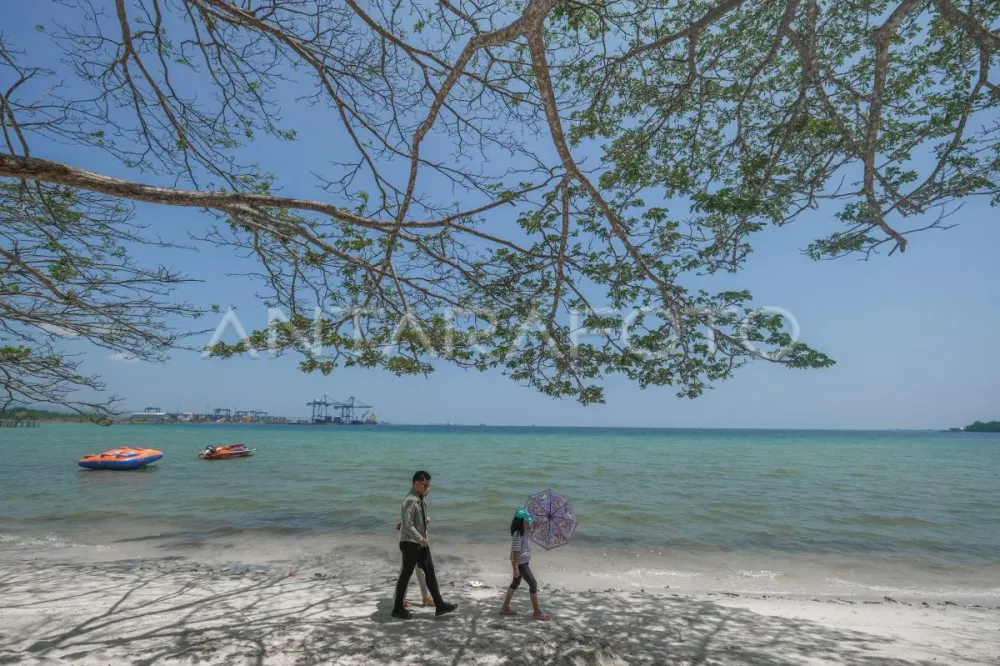
Revenue from visitor and parking fees
ANTARA Foto reported the January-October totals alongside a photograph of visitors at the beach on November 7, 2026. An earlier report by ANTARA News Sulawesi Tenggara provided the precise revenue figure behind the rounded total: Rp1,282,114,000 as of October 27.
Office head Hermawaty said that amount came from visitor admission and parking fees alone. Gazebos, clean-water facilities and toilets inside the beach site are free to use.
Free facilities and tighter oversight
The tourism office attributed the revenue increase to several city policies, including removing charges for public facilities, revitalizing the beach area, improving landscaping and keeping the site cleaner. It also said closer supervision of ticket-counter staff was intended to eliminate illegal levies, known as pungli.
School holidays brought the year's highest visitor numbers and revenue, according to the office, which said children's play facilities helped attract visitors during that period.
The January-October attendance included Kendari residents and visitors from nearby areas such as Konawe Regency. The office said family gatherings and school-holiday outings were regular reasons for visits.
Visitor growth earlier in the year
The Kendari City Tourism Office had reported 24,140 visitors by April 2, 2026, or 54.21 percent of the beach's annual visitor target. Officials described that result as a sign of recovery in local marine tourism, Telisik.id reported.
Located in Nambo Village, roughly 12–15 kilometers from central Kendari, the beach is known for its white sand, relatively calm waves and sea views suited to family outings.
Tourism's wider economic role
Hermawaty said tourism's economic contribution should be assessed beyond admission fees at individual attractions. She pointed to the services economy and MICE activities—meetings, incentives, conventions and exhibitions—including hotel occupancy during events, restaurant spending and purchases of food products from micro, small and medium-sized enterprises.
Separate citywide figures provide a broader fiscal backdrop. The Kendari City Regional Revenue Agency, or Bapenda, had collected Rp138,066,402,011 by July 2, 2026, according to Teramedia.id. That represented about 42.16 percent of the city's roughly Rp327 billion target for annual own-source revenue, known as PAD. The largest contribution came from the Specific Goods and Services Tax, or PBJT, paid by restaurants, eateries, hotels and entertainment businesses.
The city government said it is also working to develop destinations beyond Nambo Beach. Those efforts include the Teluk Kendari/Tambat Labuh area, managed by Perumda, and the Nanga-Nanga Botanical Garden, overseen by the Environment Agency. It is also seeking to revive nature-based, human-made attractions such as Mangrove Tracking.