
Indonesia Steps Up Worker Training to Develop Wellness Tourism
Indonesia's Tourism Ministry is working with the Ministry for the Protection of Indonesian Migrant Workers to broaden spa therapists' skills beyond massage and treatments to include jamu and other Indonesian wellness products. The effort aims to promote those products abroad and draw more foreign visitors to Indonesia.

Broader skills for wellness workers
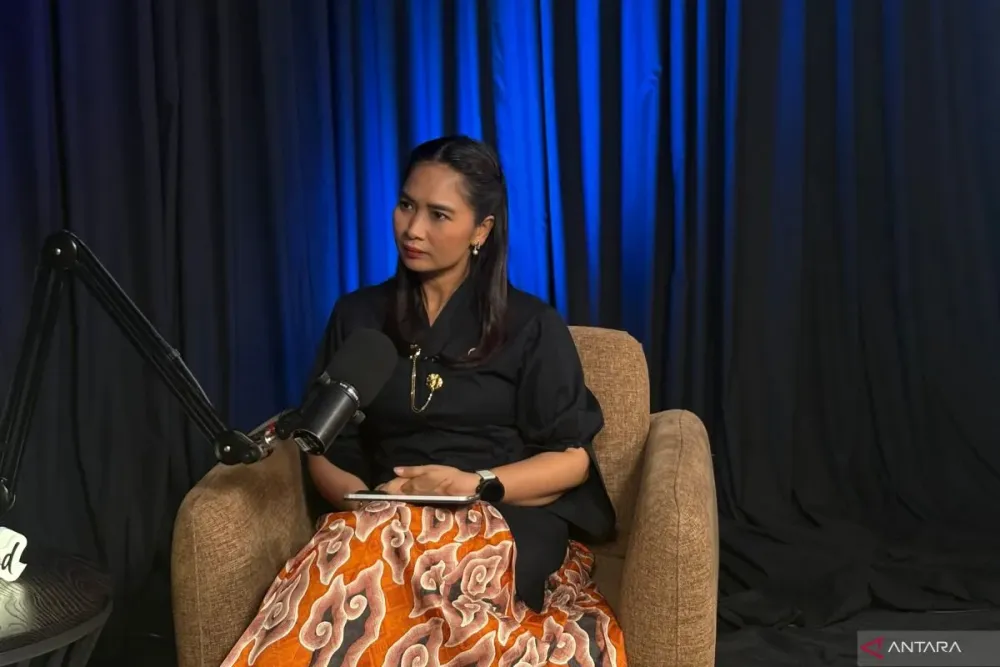
Deputy Tourism Minister Ni Luh Puspa outlined the training effort during an October 29, 2026, visit to the ANTARA Heritage Center in Jakarta. She said skilled workers are essential to making full use of Indonesia's destinations and cultural heritage.
The ministries' collaboration covers workers providing relaxation and wellness services. Alongside practical skills, the training is intended to deepen their understanding of Indonesian products such as jamu, the country's traditional herbal drink, and help them promote those products internationally.
"We aim to equip Indonesian migrant workers employed as spa therapists with wellness expertise, transforming them into what we call wellness therapists," Puspa said. Their expertise would encompass massage, spa treatments and knowledge of Indonesian wellness products, she explained. The broader goal is to encourage foreign tourists to experience those offerings in Indonesia.
A roadmap, travel routes and business support
The workforce effort accompanies a wider push to develop the sector. On October 30, Tourism Minister Widiyanti Putri Wardhana said her ministry was preparing a roadmap for wellness tourism businesses, giving domestic and international audiences information about Indonesia's products, destinations, services and industry participants.
Wardhana cited 2024 data from the Global Wellness Institute that put worldwide wellness tourism spending at US$893.9 billion, a 13.8 percent increase from the previous year. In Asia-Pacific, 562.7 million wellness trips generated US$215 billion in spending.
For Indonesia, Global Market Insights estimated the combined medical and wellness tourism market at US$7 billion in 2025, with wellness tourism contributing 89.6 percent of revenue. The firm projects that the market will rise from US$7.9 billion in 2026 to US$20.6 billion in 2035, representing an 11.3 percent compound annual growth rate over that period.
The ministry has also published "Wellness Journey Across the Java Wonders," a guidebook and concept roadmap presenting 10 routes and themes rooted in Java's natural and cultural attractions. Its "Wonderful Indonesia Scale Up Hub" provides business mentorship to tour package, gastronomy and wellness providers. The ministry is also supporting the Jogjakarta Cultural Wellness Festival (JCWF) 2026, scheduled for November 6-8, 2026.
The Sanur's role in health and tourism
Puspa pointed to The Sanur in Bali as another part of Indonesia's wellness tourism development. President Prabowo Subianto inaugurated it in June 2025 as the country's first special economic zone integrating health and tourism. Puspa said it reflected the wellness industry's rapid growth and had created employment opportunities for around 5,000 workers.
"We will continue promoting the area to strengthen its position as an iconic destination," she said. The ministry wants people to associate The Sanur with Indonesian wellness tourism, she added.
The zone's legal establishment preceded its inauguration. According to Bali SEZ, Government Regulation PP No. 41 of 2022 established the Sanur Special Economic Zone, or KEK Sanur, on November 1, 2022. Its 41.26 hectares occupy the former Grand Inna Bali Beach hotel site in South Denpasar. Bali SEZ describes it as Indonesia's only zone with a formal sectoral mandate explicitly combining healthcare and tourism.
Figures reported at the national SEZ evaluation level put cumulative realized investment in Sanur at IDR 5.37 trillion by mid-2026, with employment at 5,444 people.
Bali International Hospital, the zone's sole hospital, has 250 beds. Its four Centers of Excellence cover oncology, neurology, cardiology and orthopedics. Reported facilities in its oncology development include 3T MRI, a linear accelerator (LINAC) and capability for 3D brachytherapy.
According to Asia Daily, Sanur is seeking patients from Australia, Singapore, Malaysia, South Korea, Japan, Europe, North America, other ASEAN countries and the Middle East. Project officials said Indonesians account for 40 percent of Bali International Hospital's registered patients, while foreign patients from more than 30 nationalities make up the remaining 60 percent.
Patient targets and a shortage of specialists
Indonesia's health SEZ plans also cover Batam. At an October 21, 2026, national meeting on special economic zones in Central Jakarta, Coordinating Minister for Economic Affairs Airlangga Hartarto outlined targets for retaining Indonesian patients and attracting international patients as the country develops the Sanur and Batam zones.
Hartarto set a goal of Rp 150 trillion in foreign-exchange savings by encouraging Indonesians to receive treatment at home, alongside Rp 200 trillion in earnings from international patients. He said around 2 million Indonesians spend about Rp 200 trillion on treatment abroad, including in Singapore and Penang, Malaysia. Asia Daily reported that he gave no deadline for meeting the targets.
The same report put Indonesia's shortage of specialist doctors at about 70,000. The health zones aim to recruit foreign professionals and Indonesians trained overseas. International doctors, nurses and allied health professionals can obtain licenses to practice in Sanur, but those permissions apply only within the zone.