
Indonesia Investigates Job Offers That Sent Recruits Into Russia's War
Indonesian police are investigating five reports involving 58 Indonesians recruited for Russian military service through job offers that concealed the nature of the work. The cases involve 11 suspects, including three Russian or Ukrainian nationals, according to Kompas.

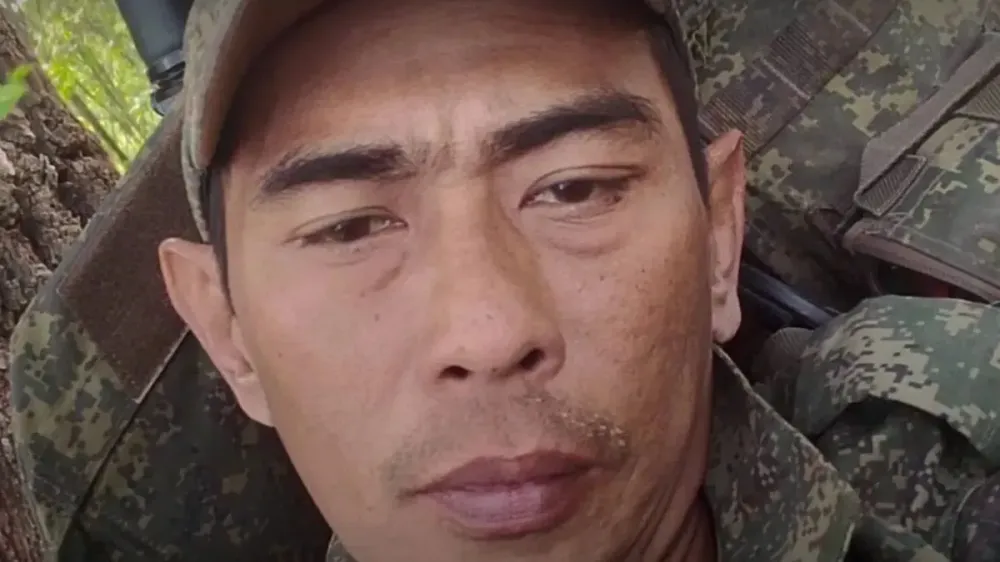
Civilian job offers, then military contracts
The recruitment ads circulated on social media between March and October 2026, offering high pay without requiring a diploma or work experience. Applicants needed an ID card and a tourist visa; foreign agents arranged their travel to Russia, Kompas reported on November 2.
Police said the advertised positions involved logistics and border security. Only after recruits were taken to a meeting location were they told they would be serving as Russian mercenaries, according to November 3 reports by ANTARA and the Jakarta Globe. Anyone who refused or wanted to go home was required to repay transportation costs. Investigators suspect that demand was intended to pressure applicants into accepting.
Kompas described recruits signing contracts after reaching Russia, receiving about a month of training and then being assigned to build defenses and guard borders in conflict zones.
At a Jakarta press briefing reported by ANTARA on November 3, police said the promised pay included signing bonuses of up to $35,000 and monthly salaries of about $3,000. Kompas separately reported a contract bonus of around Rp 620 million, describing it as more than 15 years of an average worker's wages.
The recruits included people with previous service experience. Brig. Gen. Nurul Azizah, who heads the Indonesian National Police's anti-trafficking directorate, told ANTARA that former members of both the Indonesian military, known as the TNI, and the National Police were among them.
Deaths among Indonesian recruits
The 58 victims covered by the Criminal Investigation Unit's five reports far outnumber the eight people initially named by Ukrainian intelligence at the end of August. Kompas also reported one death among victims linked to an East Jakarta recruitment network.
Among the Indonesians reported killed was Muhammad Taufiq, 48, from Surabaya. Recruiters found him through a resume he had submitted while looking for work. After only about 10 days of military training, he died in his first battle in Donetsk. Ukrainian authorities were the first to report his death.
An earlier report said Rendi Apriyanto, a young man from Natuna, had been killed in a drone strike.
The economic appeal of recruitment
Indonesia's labor statistics provide context for the offers. BPS recorded an open unemployment rate of 4.65% in May 2026, the lowest since 1994, while workers' average monthly wages stood at Rp 3.39 million.
Kompas argues that the low unemployment figure masks insecure work, repeated short-term contracts and hiring restrictions that exclude applicants above specified ages. It describes Taufiq, at 48, as having few remaining opportunities in a formal job market where most vacancies impose age limits. In that setting, the outlet argues, a large recruitment bonus can appear to offer a way out rather than signal danger.
The use of lucrative job ads to lure Indonesians abroad has precedents. In recent years, thousands have become victims of online scams in Cambodia and Myanmar after responding to offers of well-paid work on social media, according to Kompas.
Recruitment across borders
Ukrainian authorities say nearly 46,000 people from 151 countries have signed contracts with Russia's Ministry of Defense since the war began. Kompas describes a wider pattern of civilian job offers and promises of expedited passports leading foreign recruits to the front line. Those with limited Russian-language skills and little training are often sent into the first wave of assaults.
Nepal's Ministry of Foreign Affairs reported at least 118 Nepalis killed and 132 missing in Russian service. A February 24, 2026, report by The Kathmandu Post also cited Department of Consular Services data recording 219 Nepalis injured in the Russia-Ukraine conflict.
The same report said Russia's recruitment drive offered roughly 300,000 rubles a month and direct Russian citizenship after one year of service. About 1,500 Nepalis were believed to have joined the Russian army, although Moscow had not released an official count.
Indonesia calls for recruitment to stop
On November 3, Yusril Ihza Mahendra, Indonesia's coordinating minister for law, human rights, immigration and corrections, said the government had urged Russia to take immediate, effective action to stop recruiting Indonesian citizens into its military, ANTARA reported.
He also warned that Indonesians who voluntarily join another country's armed forces risk losing their Indonesian citizenship.