
Finance Minister assures economic stability amid multiple disasters
Finance Minister Purbaya Yudhi Sadewa maintains Indonesia's economy will remain resilient in Q3 and Q4 2026 despite volcanic eruptions and other disasters, with disaster response funds secured.
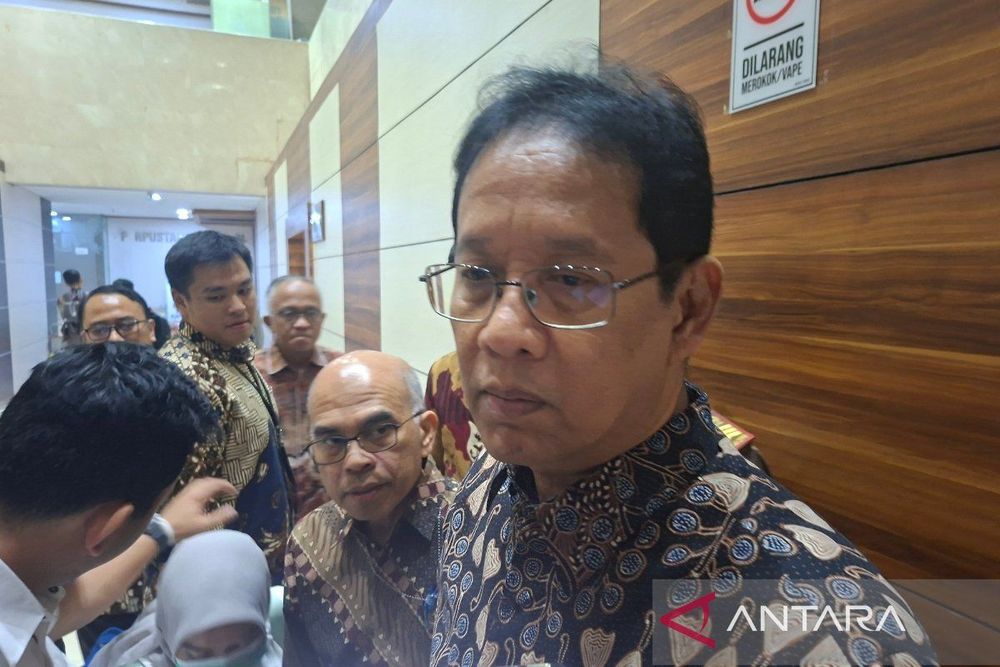
Finance Minister assures economic stability amid multiple disasters
Finance Minister Purbaya Yudhi Sadewa expressed confidence on Monday that Indonesia's economy would maintain solid performance in the third and fourth quarters of 2026 despite multiple disasters affecting the country, including the ongoing Mount Anak Krakatau eruption that has disrupted air travel and daily life across the capital region.
Speaking to reporters in Jakarta on September 7, the minister acknowledged that economic activity would face minor disruption but stressed that growth targets remain achievable. The country's economy expanded 5.61 percent year-on-year in the first quarter of 2026, marking the strongest growth since the third quarter of 2022, driven by increased government expenditure and household consumption.
Eight airports, including Soekarno-Hatta International Airport, temporarily halted operations over the weekend after volcanic ash from Mount Anak Krakatau spread across the capital, disrupting thousands of flights and stranding more than 270,000 passengers. Jakarta authorities ordered remote learning for all school levels starting Monday due to ashfall risks.
Mount Anak Krakatau's alert status was raised to Level III, the second-highest level on Indonesia's four-level volcanic warning scale, on July 2, 2026, with eruptions continuing since that date. The volcano represents just one element in a challenging year for disaster management, as Indonesia has also contended with a 7.6 magnitude earthquake in the Maluku Sea in April, ongoing earthquakes with aftershocks throughout August, wildfires exacerbated by El Niño conditions, and a West Bandung landslide that killed at least 74 people.
Economic outlook remains positive
The minister dismissed concerns about significant economic slowdown, stating that performance remains aligned with government targets. In May, Purbaya had projected that Indonesia's economy would grow by more than 5.5 percent in the third and fourth quarters, targeting closer to 6 percent growth through various stimulus measures including electric vehicle incentives.
The state treasurer emphasized that efforts to accelerate economic activity would intensify in the coming months. The government has prepared between 53 to 60 trillion rupiah for disaster emergency response in the 2026 State Budget, with the National Disaster Mitigation Agency having access to approximately 5 trillion rupiah in ready-to-use disaster funds.
Disaster response funding secured
Addressing concerns about disaster mitigation capacity, Purbaya confirmed that the National Disaster Mitigation Agency maintains sufficient budget allocation to support optimal response measures. He noted that the Finance Ministry recognizes the agency's critical role in managing various disasters and remains prepared to provide additional funds if necessary.
The scale of Indonesia's disaster management challenge is substantial, with the country having recorded 3,165 disasters in 2025, including floods, extreme weather, landslides, forest fires, earthquakes, and volcanic eruptions. Approximately 220,000 buildings were damaged by natural disasters throughout that year.
Presidential directive on volcanic response
President Prabowo Subianto called on residents near Mount Anak Krakatau to remain calm while maintaining heightened vigilance amid volcanic ash risks. In a statement issued on Sunday, the president urged the public to follow official instructions, avoid approaching the volcano, and observe designated danger zones and safety limits.
The president directed the National Disaster Mitigation Agency, the Meteorology, Climatology, and Geophysics Agency, the military, police, and the Health and Transportation ministries to closely monitor the situation and ensure protection and assistance for affected communities.
Prabowo emphasized that residents in affected areas should prioritize health by wearing masks or other respiratory protection, limiting outdoor activities, and following guidance from health officials and local governments.