
Indonesia targets $282 million tax recovery from 40 steel companies
Finance Minister Purbaya Yudhi Sadewa has identified potential tax leakage of up to Rp5 trillion from steel companies, conducting surprise inspections and launching audits as part of broader efforts to improve Indonesia's tax-to-GDP ratio.
Indonesia targets $282 million tax recovery from 40 steel companies
Finance Minister Purbaya Yudhi Sadewa is pursuing tax recovery of up to Rp5 trillion (approximately US$282 million) from 40 steel companies suspected of failing to fully meet their tax obligations. The minister disclosed on Friday that audits have begun, with only one company examined so far.
"I have a list of 40 steel companies, and only one has been audited so far. We estimate there could be Rp4 trillion to 5 trillion in tax leakage," Purbaya told reporters at the Finance Ministry's office in Jakarta.
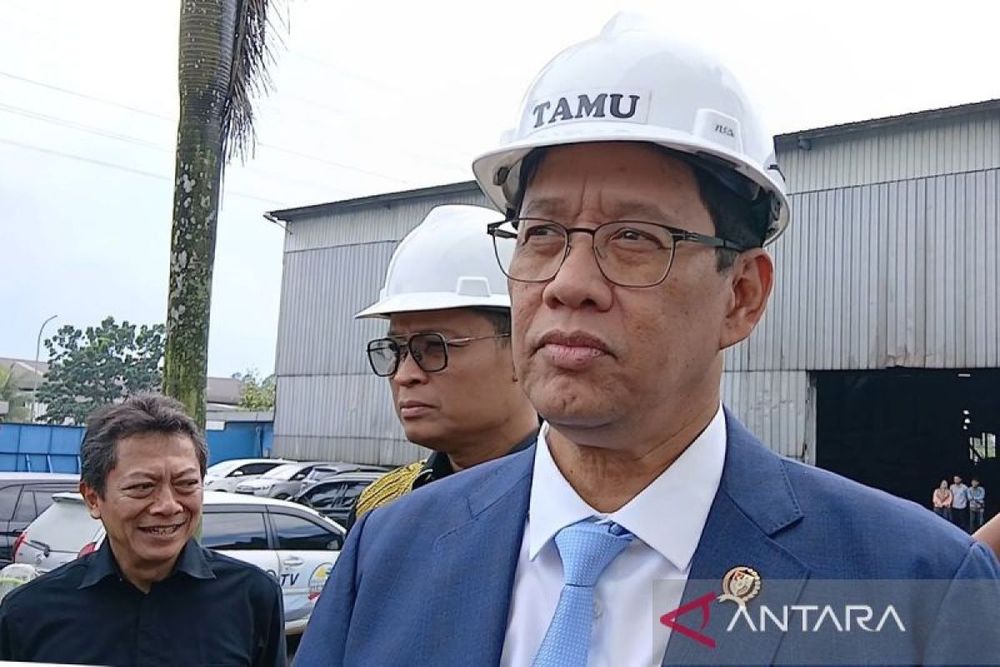
The enforcement action follows a surprise inspection conducted by the minister on Thursday at two major steel processing companies located at the Millennium Industrial Estate in Tangerang Regency, Banten. The industrial park, spanning 1,800 hectares across Cikupa, Tigaraksa and Panongan districts, is the largest in Tangerang and hosts numerous steel processors alongside other manufacturing operations.
Part of broader revenue strategy
The audits form part of the government's tax extensification strategy, which aims to expand tax revenue by tapping new revenue sources and integrating taxpayer databases across ministries without raising tax rates, as outlined in the Finance Ministry's 2025-2029 Strategic Plan. Purbaya indicated that potential tax revenue from a single company could reach Rp1 trillion over a three-year period.
The initiative comes as Indonesia grapples with persistently low tax collection rates. According to the OECD Revenue Statistics in Asia and the Pacific 2026 report, Indonesia's tax-to-GDP ratio stood at 11.8 percent in 2024, making it the third-lowest in the Asia-Pacific region and significantly below the regional average of 19.7 percent and the OECD average of 34.1 percent. World Bank analysis shows that between 2016 and 2021, Indonesia lost an average of 6.4 percent of GDP in tax revenue, primarily from value-added tax and corporate income tax.
Despite these challenges, Indonesia demonstrated strong tax revenue growth in early 2026, with a 30.7 percent year-on-year surge in the first quarter, according to Bank Indonesia data. The government targets a tax-to-GDP ratio of around 11 percent by 2027, with Purbaya promising bonuses for tax and customs officials who achieve this target.
Targeting major industry sector
The steel sector represents a significant target for enforcement. Indonesia produced 17 million metric tons of crude steel in 2024, ranking 14th globally and making it the largest producer in Southeast Asia. The domestic steel market was valued at US$12,979.1 million in 2025 and is projected to grow at 3.08 percent annually through 2034, driven by infrastructure development including the new capital Nusantara and automotive sector demand.
However, the industry has experienced capacity utilization rates of only 40 to 60 percent between 2019 and 2023, with operational and planned capacities on track to exceed 45 million tonnes, surpassing the government's 2035 target of 25 million tonnes.
The audits encompass income tax, value-added tax, and tax obligations related to import activities. Purbaya acknowledged that the government's handling of the issue has not been optimal, leaving room for improvement. The Finance Ministry is now calculating outstanding tax liabilities and beginning collection processes.
Internal review and suspected misconduct
Purbaya is also examining internal practices at the Finance Ministry, expressing concern that some companies operated for decades without detection. He suspects involvement by ministry officials in allowing such practices to continue.
"The fact that there are companies that have operated like that for decades without being detected means that someone was indeed involved," he said.
The minister confirmed he has identified several employees suspected of misconduct and will impose sanctions if violations are confirmed. Possible penalties include dismissal. When asked about timing, Purbaya indicated that suspected officials would be placed on leave in the near future.
Purbaya, who was appointed Finance Minister on September 8, 2025, replaced Sri Mulyani Indrawati, who led the ministry for more than a decade. His tenure has been marked by aggressive tax enforcement efforts aimed at addressing Indonesia's chronic revenue collection challenges.