
Indonesia pledges major waste cleanup by 2027 amid national crisis
President Prabowo Subianto has set an ambitious target to resolve Indonesia's waste problem by the end of 2027, announcing incentives for clean cities as the country battles mounting environmental challenges.
Indonesia pledges major waste cleanup by 2027 amid national crisis
President Prabowo Subianto has pledged to deliver significant progress in resolving Indonesia's mounting waste crisis by the end of 2027, as part of a broader government effort to address climate change and environmental protection.
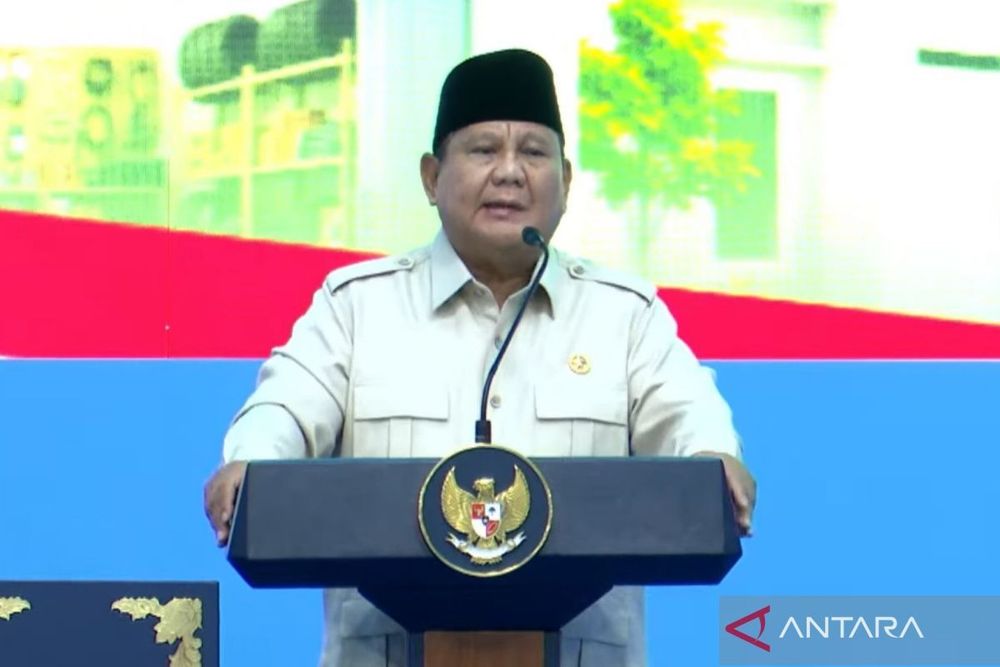
Speaking at the mass handover of 62,000 subsidized home mortgages in Batang, Central Java, on Thursday, Prabowo outlined his vision for transforming the country's waste management landscape.
God willing, within the next one to two years, we will bring about drastic changes. By the end of 2027, Indonesia's waste problem will be resolved. There will be no more mountains of waste. We will achieve this.
The president's announcement comes as Indonesia grapples with a severe waste management challenge. In 2026, national waste is projected to reach 51.8 million tons, with approximately 75 percent still managed improperly. The government has established interim targets of achieving a 63.54 percent waste management rate in 2026, with plans to reach 100 percent by 2029.
From declaration to action
The presidential commitment builds on Prabowo's earlier declaration of a "war on waste" at a national coordination meeting in Bogor in February 2026. The urgency of the initiative was underscored by a tragic incident on March 8, 2026, when seven sanitation workers were killed after a 50-meter-tall mountain of garbage collapsed at the Bantargebang landfill outside Jakarta.
Indonesia currently operates 532 landfills, which are projected to reach or exceed full capacity by 2030 without significant improvements in waste management practices. In April 2025, the government ordered the closure of 343 landfills still using open dumping methods and threatened jail time for noncompliant local officials, despite a 2008 law that had banned the practice.
According to Prabowo, increasingly unpredictable weather patterns require all stakeholders to take a more proactive role in environmental protection. The president emphasized that resolving the waste problem is an integral part of the government's sustainable development agenda, alongside strengthening food security, energy security, and industrialization.
Waste composition and environmental impact
Food waste comprises 40.79 percent of Indonesia's waste composition in 2025, making it the largest waste category, followed by plastic at 19.95 percent. The country generates approximately 7.8 million tons of plastic waste annually, of which 4.9 million tons is mismanaged. An estimated 201,000 to 552,000 tons of plastic waste is discharged into the marine environment each year.
Infrastructure investment and incentives
To support the ambitious cleanup target, the government has mapped out plans for waste-to-energy infrastructure across the archipelago. The national roadmap targets 30 locations or urban clusters covering 61 regencies and cities for waste-to-energy plant development by 2029, with a projected processing capacity of 33,000 tons per day. The investment target for waste-to-energy projects from 2025 to 2034 stands at 453 megawatts of total installed capacity, backed by an estimated USD 2.72 billion in total project investment.
At the Batang event, Prabowo announced plans to launch a Cleanest City Competition, offering substantial budget incentives to regional governments that excel in maintaining cleanliness and managing waste.
We will organize a cleanest city competition. The top five cleanest cities will receive incentives. If possible, we will allocate Rp20 billion for the cleanest cities. The next five cities will receive Rp10 billion, and so on.
The president stressed that providing budget incentives would deliver greater benefits than simply presenting symbolic awards to high-performing regional governments. He expressed confidence that the government could deliver significant progress within a relatively short period through close coordination among ministries, regional governments, and the public.