
Universities Must Strengthen Human Resources in Remote Areas, Minister Says
Transmigration Minister Iftitah Sulaiman Suryanagara calls on universities to produce quality talent for remote regions, warning of unauthorized foreign business activities in eastern Indonesia.
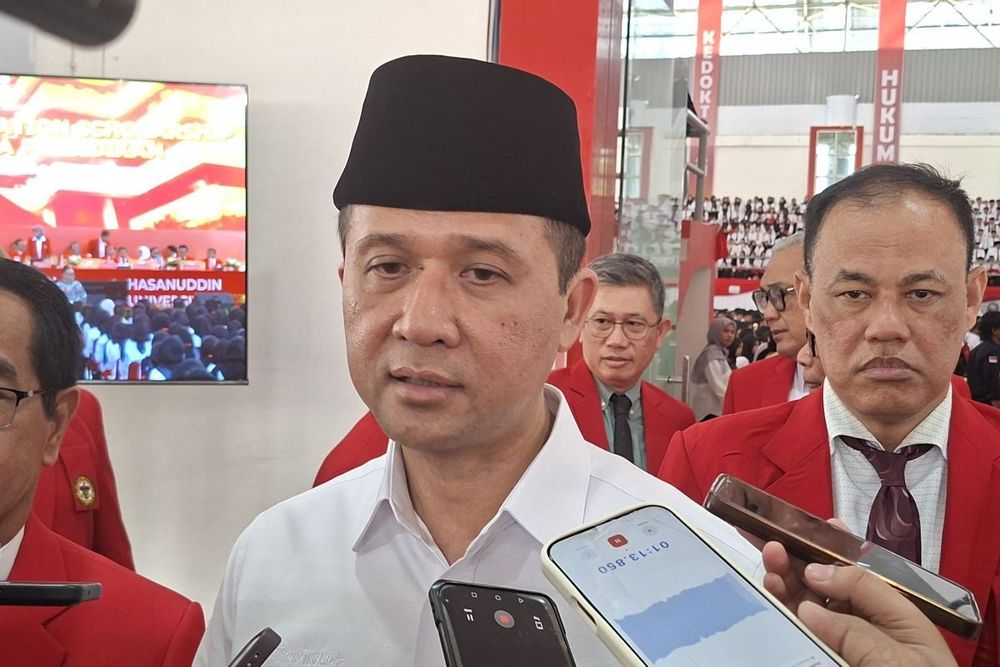
Universities Must Strengthen Human Resources in Remote Areas, Minister Says
Transmigration Minister Iftitah Sulaiman Suryanagara has called on Indonesian universities to expand their role in developing skilled professionals for remote areas, particularly in the eastern provinces, as part of a broader national development strategy.
Speaking at Hasanuddin University in Makassar on Tuesday, the minister emphasized the institution's strategic importance as an educational powerhouse in eastern Indonesia. Founded in 1956 and named after Sultan Hasanuddin, a 17th-century ruler of the Gowa Kingdom, the university operates 15 faculties with 65 undergraduate and 63 postgraduate programs across its 220-hectare Tamalanrea campus.
I see an extraordinary spirit at Unhas. I see it as an epicenter, a center of excellence in Eastern Indonesia, which aims to ensure that eastern Indonesia is not left behind by the western part of the country.
The minister's remarks address a documented development gap, with eastern Indonesian provinces showing lower Human Development Index scores compared to western regions, particularly Java. This disparity forms a key focus of the government's 2025-2029 National Medium-Term Development Plan, which designates the revitalization of 45 national priority transmigration areas as a major initiative.
Unauthorized Foreign Activities Raise Concerns
Suryanagara highlighted field observations that revealed unauthorized foreign business operations in several remote areas, raising sovereignty and regulatory concerns.
I have also seen firsthand that many foreigners are doing business and entering remote areas of Indonesia without our knowledge. Some of these activities are even quite illegal.
The minister's comments align with intensified immigration enforcement efforts nationwide in 2026, underscoring the government's focus on regulatory compliance in frontier regions.
Academic Institutions as Development Partners
The minister stressed that addressing regional inequality requires universities to move beyond traditional educational roles and actively contribute to community problem-solving. He pointed to the necessity of producing graduates capable of helping local communities while independently managing regional economic potential.
Indonesia's abundant natural resources must go hand in hand with improved public welfare.
The government has already implemented concrete measures through the Patriot Expedition Team program, which deployed 1,476 academicians to 53 transmigration regions in 2026 to support research and innovation-based development. Over decades, Indonesia's transmigration program has facilitated the establishment of 1,567 villages, 466 sub-districts, 116 districts and cities, and three provincial capitals.
Hasanuddin University, ranked among the world's top 851-900 universities in the QS World University Rankings 2027, represents one of the most prominent higher education institutions in eastern Indonesia. The minister expressed confidence in its capacity to lead educational advancement across the region.
I am confident that Hasanuddin University can become a beacon of education, science, and technology in eastern Indonesia.