
Central Papua's free education initiative benefits over 64,000 students in 2026
The Central Papua Provincial Government's free education programme now supports more than 64,000 students across secondary schools and universities, addressing the province's significant educational challenges including low literacy rates and high dropout rates.
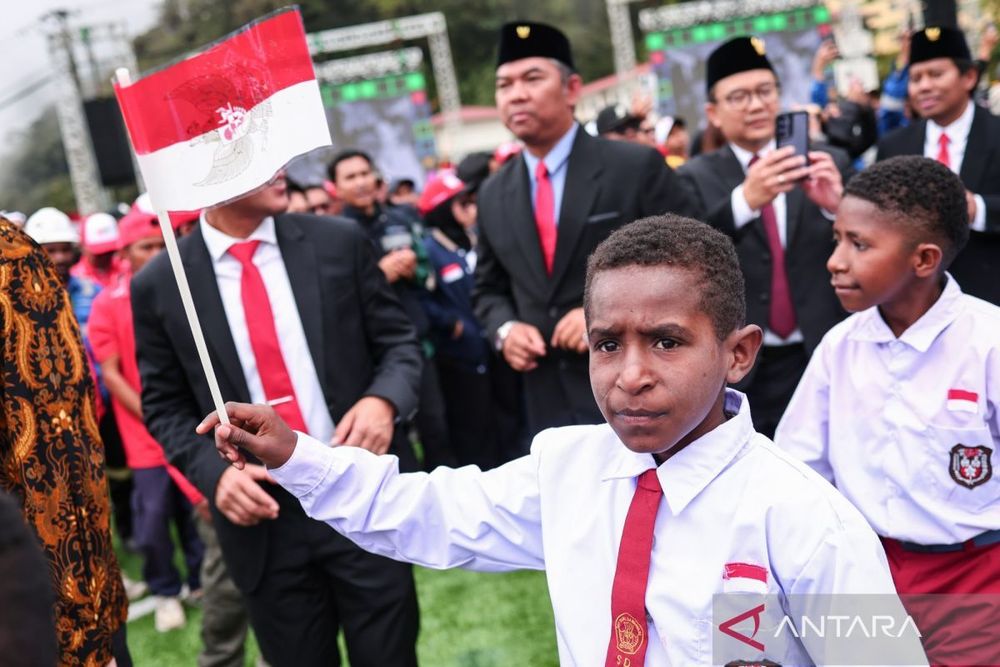
Central Papua's free education initiative benefits over 64,000 students in 2026
The Central Papua Provincial Government's free education programme has reached more than 64,000 students in 2026, representing a significant investment in a province that faces some of Indonesia's most pressing educational challenges.
Governor Meki Nawipa announced on Monday in Nabire, the provincial capital, that the initiative currently finances education for approximately 58,000 students at junior high schools, senior high schools, vocational schools, special schools, and boarding schools, alongside around 6,000 university students pursuing higher education across various regions.
The programme addresses critical needs in Central Papua, a province of approximately 1.49 million people that was formally established in July 2022 when the larger Papua province was divided into four separate provinces. The region struggles with a literacy rate of 85.57 percent, significantly below Indonesia's national average of 96.67 percent, according to statistical data.
Educational access remains particularly challenging for older students, with only around 47 percent of 16-18 year-olds enrolled in school, far below the national average. The Papua region historically records Indonesia's highest school dropout rates, with elementary school dropout rates at 2.38 percent and junior high school rates at 3.22 percent.
Governor Nawipa emphasized that the programme reflects the provincial government's commitment to ensuring financial constraints do not prevent Papuans from accessing education. Research data indicates that economic limitations are the primary factor causing children to drop out of school in Papua, affecting between 22.26 and 22.66 percent of school-age children.
The financing extends to boarding schools and Central Papuan students pursuing higher education abroad, with the provincial government allocating approximately Rp30 billion (around US$1.6 million) annually through a grant scheme for international students.
Focus on teacher quality
Beyond financial support for students, Nawipa stressed that expanding education access must be accompanied by improvements in teaching quality. The provincial government provides support for teacher certification and additional incentives to enhance the professional development of educators.
Over the past two years, the government has funded 1,800 teachers to obtain certification, enabling them to improve their welfare through additional incentives. This investment in teacher quality is particularly crucial given that only around 15 percent of schools in Papua have adequate basic facilities, according to planning documents from Indonesia's National Development Planning Agency.
The Central Papua initiative operates within the context of Indonesia's broader national commitment to education, with the country allocating Rp757.8 trillion (approximately US$46.8-49 billion) to education in 2026, marking the largest education budget in the nation's history.
Governor Nawipa expressed hope that all education programmes prepared by the government would be utilized optimally by students, university students, teachers, and beneficiary schools. He stated that the goal extends beyond academic achievement to developing students who are honest, have integrity, and remain determined to advance.
The programme's scope reflects the particular challenges faced by Central Papua's education system, including high dropout rates among students with special needs and significant disparities in enrollment rates compared to other Indonesian provinces.