
Rupiah gains 0.15% to 18,132 per dollar at Wednesday's open
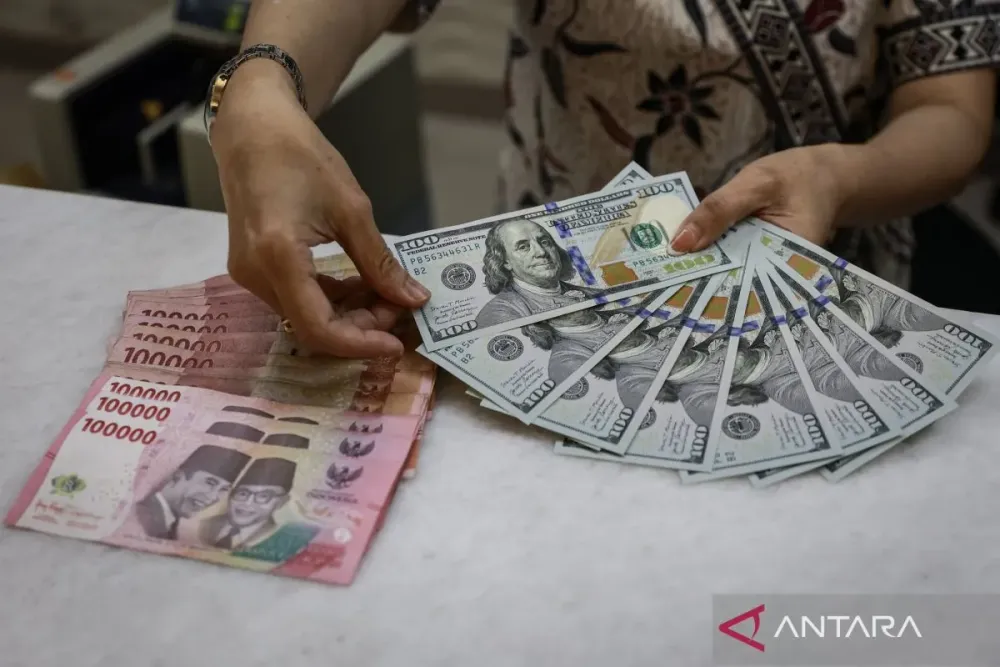
Indonesia's rupiah opened stronger on November 4, 2026, trading at 18,132 per U.S. dollar, Antara reported. The currency gained 28 points, or 0.15%, from its previous close of 18,160.

Recent losses and investment flows
The opening gain followed a record-low domestic-market close a week earlier. On October 28, the rupiah ended at 18,184 per dollar after losing 28 points, or 0.15%, from the previous day's 18,156, according to Jakarta Globe. Bank Indonesia's Jakarta Interbank Spot Dollar Rate (JISDOR) also posted a record-low closing level that day, at 18,183 per dollar.
Bank Indonesia Governor Destry Damayanti attributed the currency's weakness during October and early November to escalating conflict in the Middle East, continued U.S. monetary tightening and global investor sentiment toward emerging-market assets. Speaking on November 3, she said the rupiah had reached 17,870 per dollar at the end of September before weakening again, Katadata reported.
Bank Indonesia's portfolio investment figures showed a net foreign outflow of $80 million in the third quarter of 2026, mainly from equities. Over the longer period from January through October 23, however, foreign portfolio investment still registered a net inflow of $13.23 billion.
Central bank measures and reserves
Bank Indonesia has sought to defend the rupiah with spot foreign-exchange interventions and transactions in offshore non-deliverable forwards (NDFs) and domestic non-deliverable forwards (DNDFs). It has also bought government bonds on the secondary market, according to Jakarta Globe.
At its October 20-21 meeting, the central bank's Board of Governors left the BI-Rate unchanged at 5.75% and kept the Lending Facility rate at 6.50%. It raised the Deposit Facility rate to 5.00%.
The board also expanded incentives for DNDF hedging. For six-month tenors, it increased the premium reduction to 40% from 25%; for 12-month tenors, the reduction rose to 45% from 30%.
Bank Indonesia reported foreign exchange reserves of $146.3 billion at the end of September 2026. Those reserves could cover 5.2 months of imports and government external-debt servicing, well above the international adequacy standard of about three months of imports.