
Flores earthquake closes major tourist sites as death toll reaches 68
Key tourist destinations across Flores Island remain temporarily closed following the devastating 7.7 magnitude earthquake that killed at least 68 people and damaged critical infrastructure. Komodo National Park continues operations as authorities prioritize safety inspections.
Flores earthquake closes major tourist sites as death toll reaches 68
Major tourist destinations across Flores Island in East Nusa Tenggara have been temporarily shuttered following a devastating 7.7 magnitude earthquake that claimed at least 68 lives and caused widespread damage to hotels and public infrastructure on Saturday, August 15.
Berton Panjaitan, acting head of communication for the National Disaster Management Agency (BNPB), announced Tuesday that the closures were necessary to conduct structural safety inspections and complete essential repairs. Among the affected sites are Goa Rangko in West Manggarai, Wae Rebo Traditional Village in Manggarai, and Kelimutu National Park in Ende Regency, known for its three distinctive colored crater lakes at Mount Kelimutu's 1,690-meter elevation.
Seismic vulnerability of the region
The earthquake struck a region particularly vulnerable to seismic activity. Indonesia sits on the Pacific Ring of Fire, where the Australian, Eurasian, and Pacific tectonic plates converge across the archipelago's more than 17,000 islands. The Flores area alone has recorded 79 earthquakes larger than magnitude 6.0 between 1900 and 2022, with eleven generating tsunamis. East Nusa Tenggara experiences approximately 1,200 earthquakes annually, with major quakes of magnitude 7 or higher occurring roughly every 10 to 15 years.
This latest disaster triggered tsunamis reaching up to 1.61 meters in height along the coast and generated more than 1,600 aftershocks, with the strongest measuring magnitude 6.2. The seismic activity stems from the Flores Thrust fault system, where the Australian and Sunda plates converge at approximately 80 millimeters per year.
The same coastline was devastated by a similar magnitude 7.7 earthquake on December 12, 1992, which triggered a tsunami that killed approximately 2,500 people on Flores.
Damage assessment and tourism impact
Initial BNPB assessments reveal minor damage at eight tourist sites across the island. The hospitality sector sustained significant losses, with two hotels and three homestays severely damaged and 10 hotels and five homestays experiencing minor structural impacts, particularly in Nagekeo Regency.
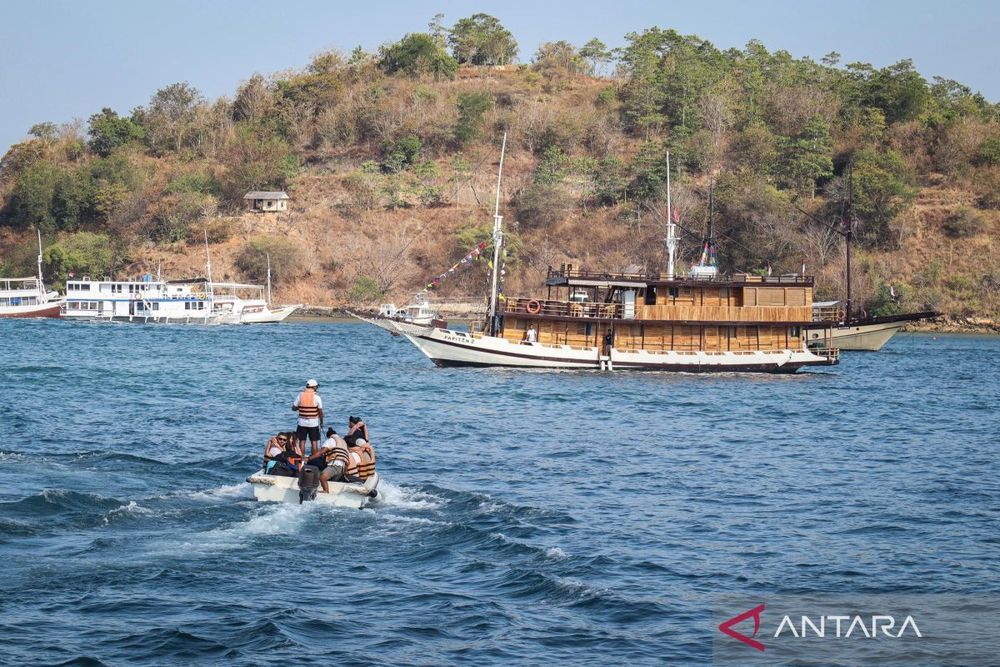
Komodo National Park and its surrounding marine areas remain fully operational and undamaged, authorities confirmed. The park, which recorded 429,509 visitors in 2025 with 68% being international tourists, is one of Indonesia's five designated Super Priority Tourism Destinations established by the government in 2019. A daily visitor cap of 1,000 people implemented in April 2026 remains in effect.
Regional authorities will announce reopening schedules for closed attractions once safety verifications are complete.
Ensuring the safety and security of all tourists, as well as the adequacy of tourism infrastructure, is our priority,Panjaitan stated.
Humanitarian impact
The disaster has displaced over 5,000 residents into emergency shelters or temporary accommodations. Field reports document 914 houses severely destroyed, alongside damage to 93 schools, 36 health facilities, and 38 government offices. As of August 17, Manggarai and East Manggarai regencies recorded the highest casualties among the 68 confirmed deaths.