
Indonesia accelerates airport restoration in East Nusa Tenggara after deadly earthquake
The Indonesian government is fast-tracking repairs to five earthquake-damaged airports in East Nusa Tenggara following the magnitude 7.7 quake that killed at least 111 people and damaged nearly 96,000 homes.
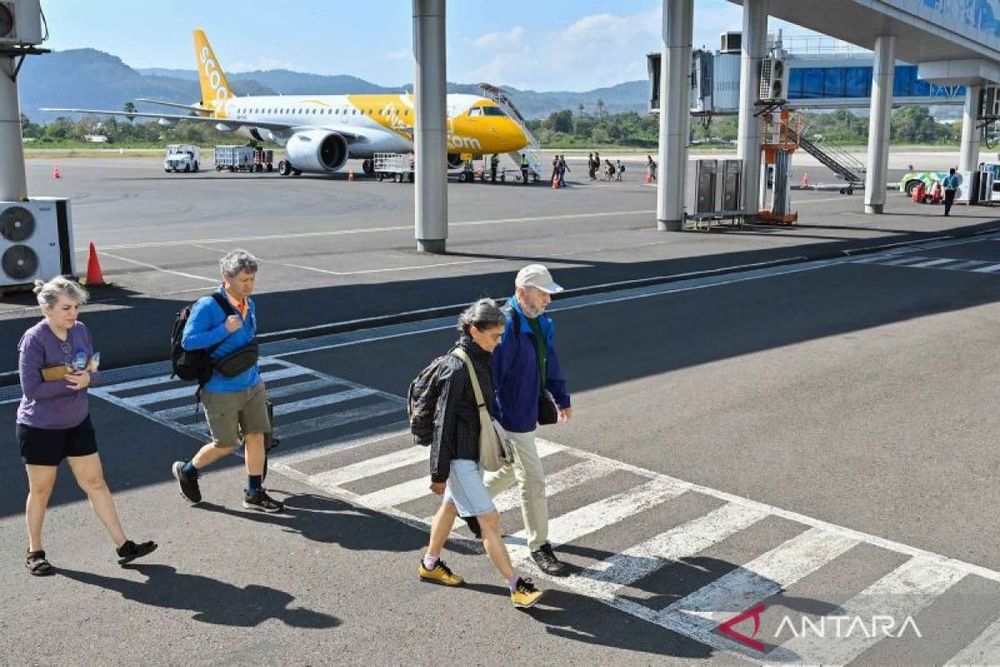
Indonesia accelerates airport restoration in East Nusa Tenggara after deadly earthquake
The Indonesian government is accelerating restoration work at earthquake-damaged airports across East Nusa Tenggara province, focusing on critical infrastructure needed to maintain air connectivity in the wake of a devastating magnitude 7.7 earthquake that struck on August 15, 2026.
The disaster claimed at least 111 lives and injured 1,678 people across the province, with most victims dying while asleep as structures collapsed. The earthquake also damaged approximately 95,500 homes, with 27,414 homes severely damaged or destroyed, prompting Governor Emanuel Melkiades Laka Lena to declare a 14-day state of emergency beginning the day of the quake.
Damage assessment and repair priorities
The Directorate General of Civil Aviation has completed field inspections at several regional facilities, including Komodo International Airport, Fransiskus Xaverius Seda Airport, H. Hasan Aroeboesman Airport, Soa Airport, and Frans Sales Lega Airport, according to the Ministry of Transportation. National disaster agency BNPB reported that five of the province's 15 airports sustained damage, though runways remained usable with structural damage concentrated in terminal buildings.
"We are prioritizing the repair of building structures and supporting facilities, including passenger terminals and flight operations facilities," said Director General of Civil Aviation Lukman F. Laisa on Tuesday.
The inspections aimed to evaluate structural damage, determine immediate operational needs, and ensure targeted rehabilitation efforts across the province.
Soa Airport in Bajawa, Ngada District, has been designated the top priority for restoration. Officials confirmed that damage across all affected sites will be addressed based on severity to expedite a return to full operational capacity.
Seismic activity and ongoing challenges
The earthquake was caused by movement on the Flores back-arc thrust fault, with seismic observatories recording a maximum Modified Mercalli intensity of VIII (Severe) on Flores Island. More than 230 aftershocks rattled the island throughout the day of the main quake, with the strongest measuring magnitude 6.2, presenting ongoing challenges for inspection and repair crews.
Komodo International Airport, which serves as the main gateway to Komodo National Park with an annual capacity of 1.5 million passengers following a 2015 terminal expansion, is among the damaged facilities undergoing assessment. The airport's strategic importance extends beyond tourism, as East Nusa Tenggara's economy relies heavily on the agriculture, forestry and fishing sectors, with tourism serving as a critical economic contributor.
Recovery coordination and historical context
"We want to ensure that all needs on the ground are properly identified," Lukman added, noting that inspection findings will guide the ministry's official recovery strategy.
The ministry continues to coordinate relief efforts with regional stakeholders to maintain aviation safety and security standards throughout the restoration process.
Indonesia sits on the Pacific Ring of Fire and is one of the world's most seismically active countries. The nation is spread across roughly 17,000 islands with a population of more than 270 million people. The same Flores coastline experienced a similarly powerful earthquake in December 1992 that killed more than 2,500 people when the quake and resulting tsunami struck the region.
During his inspection visits, Lukman also distributed aid to local airport staff affected by the disaster as recovery operations continue across the province.