
East Nusa Tenggara declares 14-day emergency following magnitude 7.7 Flores earthquake
Governor Melki Laka Lena has declared a two-week emergency response period after a powerful earthquake struck Flores Island, causing deaths, injuries and widespread damage across multiple districts in the seismically active Indonesian province.
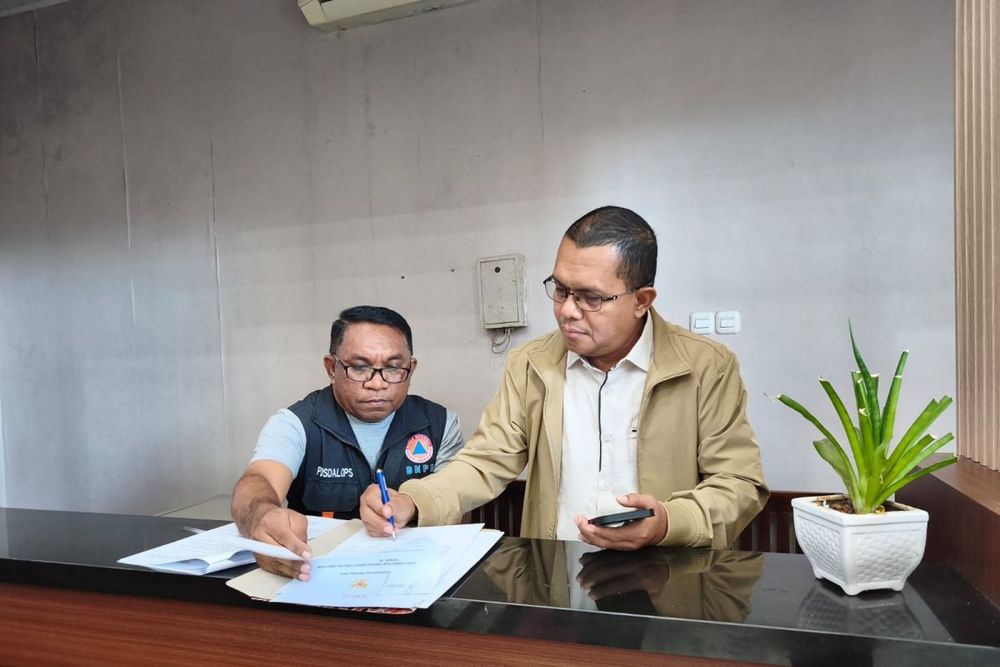
East Nusa Tenggara declares 14-day emergency following magnitude 7.7 Flores earthquake
East Nusa Tenggara Governor Melki Laka Lena declared a 14-day emergency response period following a magnitude 7.7 earthquake that struck Flores Island on Aug. 15, formalizing coordinated disaster response efforts across the province of more than 5 million people spread across 500 islands.
The emergency status, running from Aug. 15 to Aug. 28, was established through Governor's Decree No. 305/KEP/HK/2026 issued in Kupang. The declaration enables authorities to streamline access, coordination and communication while mobilizing resources for the disaster response.
Earthquake details and impact
The earthquake struck at 4:47 a.m. local time at a depth of 15 kilometers, approximately 30 kilometers northeast of Mbay, the capital of Nagekeo District, home to roughly 168,000 residents across 1,398 square kilometers. The powerful tremor caused deaths and injuries, damaged homes and infrastructure, and disrupted daily activities across Flores, the largest island in East Nusa Tenggara with a population exceeding 2 million people.
Indonesia's location on the Pacific Ring of Fire, where the Eurasian, Indo-Australian, Pacific and Philippine Sea tectonic plates converge, makes it one of the world's most seismically active nations. The Aug. 15 earthquake was triggered by the Flores Back-Arc Thrust fault system, formed by the subduction of the Indo-Australian plate beneath the Eurasian plate.
The quake generated tsunami waves reaching 0.94 meters at Maurole-Ende, approximately 50 kilometers east of the epicenter, with smaller waves recorded at multiple coastal monitoring stations. More than 230 aftershocks followed throughout the day, the strongest measuring magnitude 6.2, creating ongoing risks for affected communities.
Emergency response coordination
Under the emergency declaration, the provincial government will coordinate with local and central authorities, military and police forces, agencies, businesses and communities to manage the response. Public safety and meeting basic needs of affected residents remain top priorities during the emergency period.
Available resources will support search and evacuation operations, health services, provision of basic necessities, emergency shelters, transportation and infrastructure repairs. The provincial budget and other lawful funding sources will cover costs arising from the emergency response, with no restrictions on resource mobilization.
The emergency status provides a legal framework for accelerated decision-making and resource deployment aimed at minimizing the disaster's impact on residents across the affected areas.
Governor Melki urged residents to remain calm, assist one another and follow official information from authorities, the disaster management agency, meteorology and geophysics agency BMKG, military, police and national search-and-rescue agency Basarnas.
Indonesia, a nation of more than 270 million people distributed across approximately 17,000 islands, regularly experiences significant seismic events due to its position at the intersection of major tectonic plates in the Pacific Ring of Fire, a zone that accounts for roughly 90 percent of the world's earthquakes and 75 percent of its volcanoes.