
Indonesian farmer purchasing power reaches historic high in July 2026
Indonesia's Farmer Terms of Trade hit 127.84 in July 2026, the highest level since independence, driven by government reforms in fertilizer subsidies, irrigation and price support programs.
Indonesian farmer purchasing power reaches historic high in July 2026
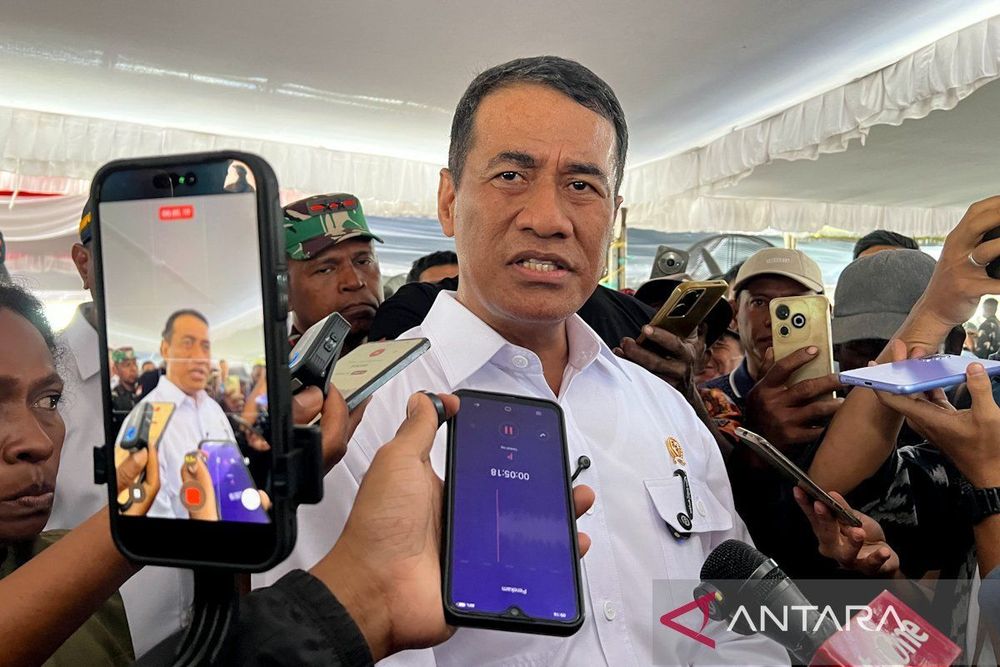
Indonesian farmers' purchasing power reached an unprecedented level in July 2026, with the Farmer Terms of Trade climbing to 127.84, Agriculture Minister Andi Amran Sulaiman announced Tuesday.
The July reading represents the highest level since Indonesia gained independence, according to data from Statistics Indonesia. The figure marks a substantial increase from 117.76 in December 2023 and 123.45 in February 2025, demonstrating sustained improvement in farmer welfare over recent years.
The Farmer Terms of Trade measures farmers' purchasing power by comparing prices they receive for their products against prices paid for household consumption and agricultural inputs. Agriculture accounts for 11.56 percent of Indonesia's GDP, making it the third-largest economic sector after manufacturing and trade.
Amran attributed the gains to comprehensive government policies targeting production costs, productivity improvements and income protection. The minister, who previously led the Agriculture Ministry from 2014 to 2019 and was reappointed in October 2023, emphasized that food self-sufficiency must translate into tangible benefits for farmers.
"Food self-sufficiency must bring prosperity to farmers. If farmers prosper, production will increase, and people will also get food at stable prices," Amran said.
Fertilizer and input cost reforms
A central component of the strategy involved overhauling subsidized fertilizer distribution. Presidential Regulation No. 6 of 2025, later updated to Presidential Regulation No. 113 of 2025, simplified management systems to accelerate delivery to farmers.
The government simultaneously reduced subsidized fertilizer price ceilings by approximately 20 percent. Urea prices dropped to Rp1,800 per kilogram from Rp2,250, while NPK fertilizer fell to Rp1,840 from Rp2,300. As of late June 2026, authorities had distributed 4.77 million tonnes of subsidized fertilizer, representing nearly half of the year's total allocation of 9.84 million tonnes.
Beyond fertilizer, the government streamlined distribution of improved seeds, agricultural machinery and other strategic production inputs while expanding irrigation rehabilitation and water-pumping programs to help farmers manage climate-related challenges.
Price support and market stability
The government established a purchase price floor of Rp6,500 per kilogram for harvested unhusked rice, providing farmers with greater price certainty during harvest periods. The measure aims to ensure stable income regardless of market fluctuations.
"Farmers must earn a fair profit. The state is present from providing fertilizer, water, and mechanization to ensuring their harvest is absorbed at a good price," Amran said.
Indonesia ranks among the world's top rice producers. During Amran's previous tenure as Agriculture Minister, the country achieved rice self-sufficiency in 2017, 2019 and 2020. President Prabowo Subianto later appointed him head of the National Food Agency in October 2025, consolidating agricultural policy leadership.
The minister emphasized that the July 2026 achievement resulted from integrated reforms spanning the entire agricultural value chain rather than isolated interventions. The policies collectively reduced production costs, enhanced productivity, expanded water access and stabilized farm-gate prices.
"President Prabowo assigned us to achieve food self-sufficiency as soon as possible. But more importantly, food self-sufficiency must bring prosperity to farmers," Amran said. "All of these efforts are reflected in the July 2026 Farmer Terms of Trade, which reached the highest level in Indonesia's history."