
Indonesia Plans to Expand Free Boarding Schools to 500 Locations by 2029
The Indonesian government aims to establish up to 200 additional Sekolah Rakyat schools annually between 2027 and 2028, targeting 500 total schools nationwide by 2029 as part of its poverty alleviation strategy.
Indonesia Plans to Expand Free Boarding Schools to 500 Locations by 2029
The Indonesian government has set an ambitious target to establish 500 Sekolah Rakyat (People's Schools) nationwide by 2029, expanding a free boarding school initiative that currently serves children from underprivileged families across the archipelago.
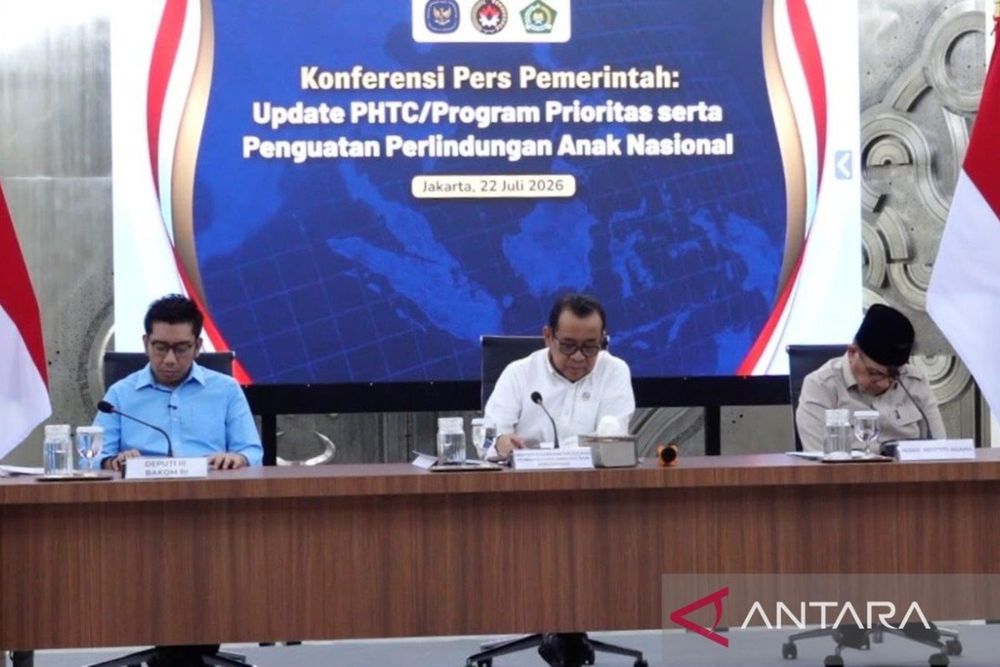
Deputy III for Partnerships and Media Relations of the Government Communications Agency (Bakom) Kurnia Ramadhana announced during a press conference in Jakarta on Wednesday that the program will add between 100 and 200 schools annually during the 2027-2028 academic year. The initiative, which officially launched on July 14, 2025, with 63 locations, has already expanded from 166 to 182 schools for the 2026-2027 academic year.
The program operates under Presidential Instruction No. 8 of 2025 on the Optimization of Poverty Alleviation and Eradication of Extreme Poverty, reflecting the government's commitment to reducing the national poverty rate from 8.57 percent in April 2025 to below 5 percent by 2029. The initiative also supports the ambitious goal of achieving zero extreme poverty by 2026.
Transition from Pilot to Permanent Infrastructure
As of July 21, the government had constructed 93 permanent Sekolah Rakyat facilities, 81 permanent pilot schools, and eight new pilot schools. This marks a significant transition from the temporary facilities used when the program surpassed its initial target by opening 165 pilot schools by September 2025, exceeding President Prabowo Subianto's first-year goal of 100 schools. The permanent schools are being built on 8.2-hectare campuses designed to accommodate growing student populations.
Ramadhana explained that the expansion aims to gradually transform the schools from a pilot model into more sustainable and permanent educational units, ensuring that children from low-income families have access to quality education across all 38 provinces and 416 districts and cities.
Growing Student Enrollment
The expansion has driven increased enrollment targets. According to Social Affairs Ministry data from July 8, 2026, the government aims to enroll 6,305 elementary school students, 11,186 junior high school students, and 11,077 senior high school students for the 2026-2027 academic year, totaling 28,568 new students. Combined with currently active students, the total enrollment across all levels is projected to reach 43,344 students this year, a substantial increase from the over 9,700 students accommodated during the first phase in 2025.
Students are selected based on eligibility criteria from the National Socio-Economic Single Data (DTSEN), specifically targeting children from households in the first and second deciles, representing the poorest and extremely poor families. This targeted approach addresses a critical educational gap, as approximately 4.3 million children and adolescents aged 7-18 years in Indonesia remain out of school, with the poorest children, those with disabilities, and those in underdeveloped areas most at risk of exclusion.
Comprehensive Support Model
The Sekolah Rakyat program provides comprehensive support beyond free tuition, including accommodation in boarding facilities, three meals per day plus two snacks, health services, learning equipment, and laptops for digital learning. This holistic approach ensures students can focus entirely on their education without financial barriers.
The program is coordinated by the Ministry of Social Affairs rather than the Ministry of Education, marking a departure from Indonesia's traditional education administration model and reflecting the initiative's role as a poverty alleviation tool. The first phase required the appointment of 1,469 teachers and training of approximately 100 school principals to support the program's launch and ongoing operations.