
Indonesia's Parliament targets December 2026 passage for long-awaited Asset Forfeiture Bill
The House of Representatives is accelerating deliberations on the Asset Forfeiture Bill, first proposed in 2008, with public hearings scheduled multiple times weekly to complete the legislation within two parliamentary sessions.
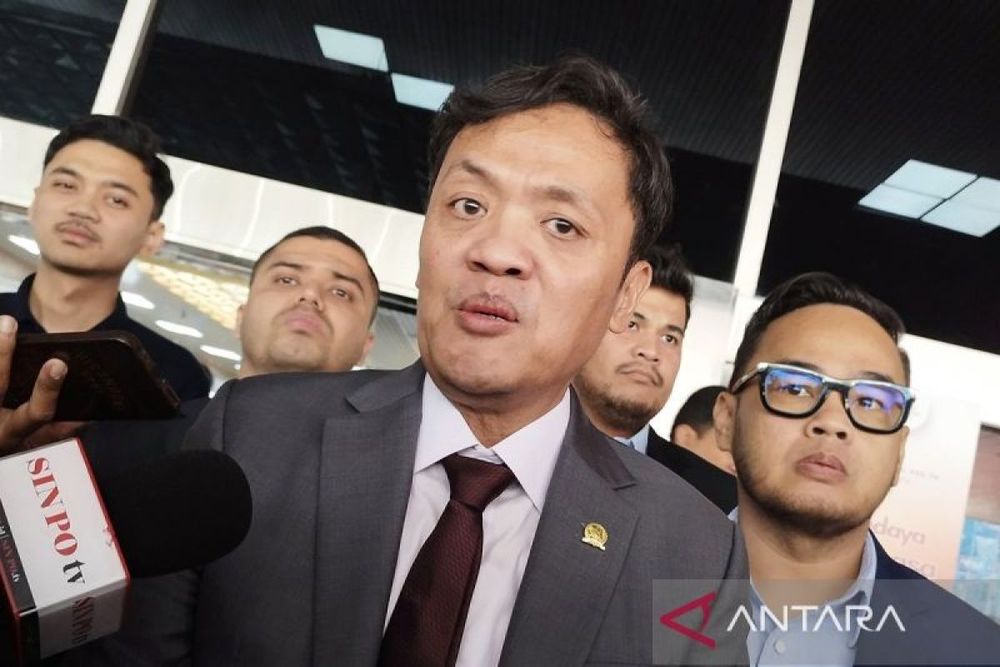
Indonesia's Parliament targets December 2026 passage for long-awaited Asset Forfeiture Bill
Indonesia's House of Representatives is targeting passage of the Asset Forfeiture Bill by December 2026, intensifying efforts to enact legislation that has been under consideration for nearly two decades since its initial proposal in 2008.
Commission III Chairman Habiburokhman, who oversees legal affairs, human rights, and security in the legislature, announced that lawmakers are holding public hearings two to three times weekly to gather input from stakeholders on the priority legislation.
"We are targeting passage before December 2026, or within two legislative sessions at the latest. Many groups have requested public hearings on the bill. We will make every effort to hear them and ensure meaningful public participation."
The bill, ranked sixth in the 2026 National Legislative Program, represents a critical tool in Indonesia's fight against corruption. Asset forfeiture is designed to deprive criminals of the proceeds of their crimes and dismantle the financial infrastructure of organized criminal syndicates, with recovered property potentially used to compensate victims and deter future offenses.
Habiburokhman, a Gerindra Party member who has chaired Commission III since the 2024-2029 term after serving as Vice Chairman from 2019-2024, emphasized that the legislation requires more time than other recent laws because it establishes an entirely new legal framework.
"Unlike the Criminal Procedure Code and Police Law, whose concepts and existing laws are already established, this bill is new. We are determined to strengthen the fight against corruption."
The urgency of the legislation is underscored by current asset recovery challenges. In 2022, the Attorney General's Office handled 405 of 597 corruption cases involving state losses totaling IDR 39.207 trillion, yet recovered only IDR 8.9 trillion through fines and compensation—approximately 12 percent of losses. More recently, Indonesia's Corruption Eradication Commission recovered over IDR 2.5 trillion between 2020 and 2024, including IDR 731 billion in 2024 alone.
The Prabowo Subianto administration has demonstrated commitment to asset recovery, recouping IDR 6.7 trillion in state funds from corruption cases within three months of taking office in early 2025.
Deliberation process and challenges
Commission III has conducted regular public hearings over the past month with academics, legal practitioners, and civil society organizations. Lawmakers are also debating whether to adopt the term "asset recovery," consistent with terminology in the United Nations Convention against Corruption, or maintain the current title.
The extended timeline reflects the complexity of establishing non-conviction based asset forfeiture mechanisms and addressing institutional capacity for managing seized assets.
House Deputy Speaker Saan Mustopa confirmed in July that the bill remains a 2026 priority, rejecting social media claims of legislative opposition.
"This is a priority in 2026, and we will make every effort to complete it this year."
President Prabowo Subianto has ordered government agencies to expedite the bill's completion, reinforcing executive support for the initiative as part of broader anti-corruption reforms.