
Indonesia banks on digital economy to achieve 6 percent growth target in 2027
The Coordinating Ministry for Economic Affairs positions the digital economy as the primary engine for achieving 6 percent economic growth in 2027, supported by increased investment, productivity improvements, and value-added exports.

The digital economy drives economic growth in 2027
Indonesia's government is placing the digital economy at the center of its strategy to achieve a 6 percent economic growth target in 2027, relying on a combination of increased investment, enhanced productivity, and expanded value-added exports to drive national development.
The Coordinating Ministry for Economic Affairs has identified the digital sector as the key growth engine following the economy's 5.45 percent expansion in the first half of 2026. This performance provides a solid foundation for the government's ambitious 2027 targets, which also include maintaining inflation at 2.5 percent.
To reach the 6 percent growth objective, Indonesia needs investment to increase by 8 to 9 percent, targeting a total investment realization of Rp2,258 trillion, approximately US$131 billion. This investment push comes as the country's digital economy continues to demonstrate robust performance, with gross merchandise value reaching nearly US$100 billion in 2025, representing a 14 percent increase from the previous year.
The digital economy already accounts for nearly 10 percent of national GDP in 2026, positioning Indonesia as the largest digital economy in Southeast Asia. Projections indicate the sector could reach between US$220 billion to US$360 billion by 2030, underscoring its long-term potential as a growth driver.
Digital payment infrastructure expansion
A key indicator of digital economy penetration is the widespread adoption of QRIS, Indonesia's QR code-based payment system. As of 2026, the platform serves 65.77 million users and 44.86 million merchants, with micro, small and medium enterprises representing 96.68 percent of merchant participants. This infrastructure has become essential for e-commerce platforms, enabling seamless transactions across the archipelago.
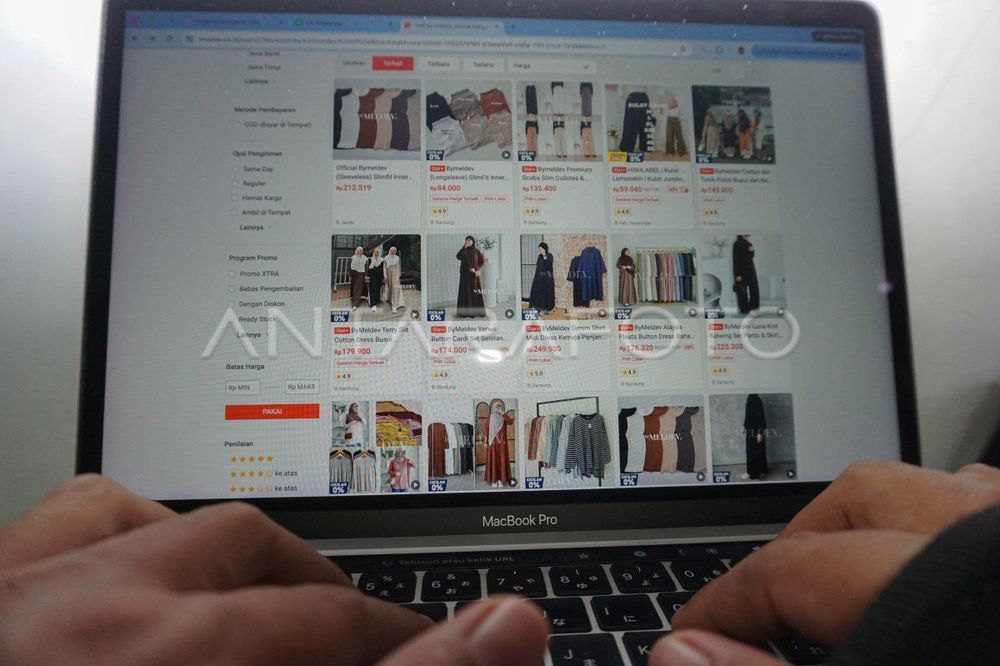
In Batang Regency, Central Java, where residents increasingly access e-commerce platforms through laptops and mobile devices, the digital transformation is particularly visible. The region is home to the Batang Special Economic Zone, which has attracted significant investment including a Rp 82 trillion (US$4.59 billion) AI infrastructure platform scheduled to begin construction in the first half of 2027.
Regional cooperation and policy framework
Indonesia's digital economy strategy extends beyond national borders. The country has concluded negotiations on the ASEAN Digital Economy Framework Agreement, scheduled for signing at the ASEAN Summit in the Philippines in November 2026. According to projections by Boston Consulting Group, this agreement could double ASEAN's digital economy value to US$2 trillion by 2030.
The government's commitment to digital-led growth received formal backing when parliament approved the 2027 state budget in September 2026. The budget targets 6 percent economic growth while maintaining fiscal discipline, with a deficit of 2.4 percent of GDP, down from the 2.85 percent projected for 2026.
Talent development challenges
Sustaining the digital economy's expansion will require significant human capital development. According to the National Strategy for Development of Indonesia's Digital Economy 2030, the country needs approximately nine million workers in the digital sector over the next 15 years. This translates to producing 600,000 digitally-capable talents annually to meet industry demands.
The focus on investment, productivity enhancement, and value-added exports represents a comprehensive approach to leveraging digital technologies for economic development. As Indonesia positions itself for accelerated growth in 2027, the digital economy's role as the primary catalyst reflects both current market dynamics and long-term strategic planning by policymakers.