
OJK Chief Briefs Prabowo on Stock Sell-Off After MSCI Downgrade Proposal
Indonesia's financial regulator has told President Prabowo Subianto that MSCI's proposed downgrade of the country's market triggered the October 16 stock plunge. OJK Chair Friderica Widyasari Dewi defended the regulator's response while acknowledging concerns about weak enforcement.

A trading halt and further losses
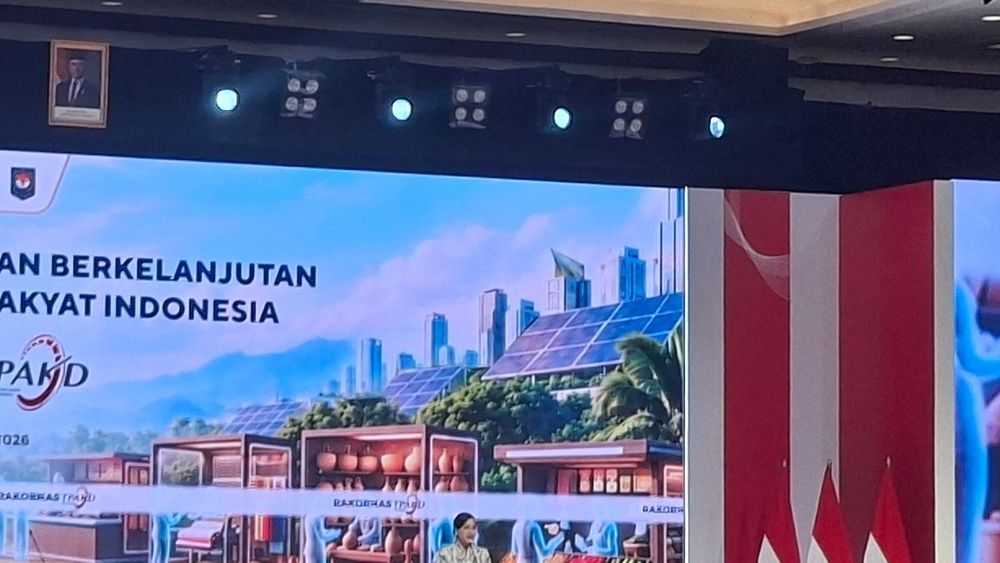
Friderica addressed a closed session of the Cabinet Plenary Meeting at Jakarta's Presidential Palace on October 21, 2026, following two steep declines in the Composite Stock Price Index (IHSG). MSCI had proposed moving Indonesia from Emerging Market to Standalone Market status; the reclassification has not been finalized.
The October 16 sell-off triggered a trading halt. The IHSG lost 11.6%, wiping out about $85 billion, or approximately Rp 1,528 trillion, in market capitalization. An October 17 Kompas.id editorial gave the closing level as 5,185.11 and the decline as 11.57%. Citing Trading Economics data, it described the close as a six-year low and the daily loss as the largest since January 1998.
Selling continued on October 19, when the index fell another 3.64% to close at 4,996.00, its lowest level in six years.
Friderica told the Cabinet that MSCI's indexes help guide global funds and investment managers considering investments in a country. She also noted that investors use other benchmarks, including FTSE Russell and Bloomberg Index.
Why MSCI proposed Standalone status
According to Friderica, MSCI initially considered Indonesia's market improvements insufficient. She described the subsequent announcement from MSCI in New York as unexpected because it threatened a move to Standalone Market status rather than Frontier Market status. She maintained that Indonesia's stock market had already addressed MSCI's concerns.
MSCI's October 15 press release set out its concerns: shareholding structures remained opaque, and it suspected coordinated trading. The index provider said market participants considered the problems too deep for a move to Frontier Markets to adequately reflect them.
MSCI acknowledged Indonesia's announced reforms, including greater disclosure of shareholders owning more than 1%, more detailed investor classifications, High Shareholding Concentration reporting, and a roadmap toward a 15% minimum free float. But it said institutional investors wanted consistent implementation and evidence that the changes were producing a sustained, material impact.
A freeze on certain index-related changes for Indonesian securities, in place since January 2026, will continue until further notice. MSCI will not raise Foreign Inclusion Factors or Number of Shares, add securities to the MSCI Indonesia Investable Market Index, or move securities upward across size-segment indexes.
Market participants can submit feedback on the proposed reclassification through April 30, 2027. MSCI says it will announce its final decision on or before June 30, 2027.
Sanctions and investigations
Friderica acknowledged criticism that enforcement had appeared inadequate. She said OJK had reported sanctions on October 16 that might be the largest in Indonesia's capital-market history. In her briefing, she cited Rp 1.5 trillion in penalties against parties involved in coordinated trading and said the regulator was targeting two companies suspected of market manipulation.
OJK's October 16 press release detailed a broader set of fines totaling Rp 2.1 trillion. It assigned Rp 1.5 trillion to violations involving PT Dian Swastatika Sentosa (DSSA) share transactions, Rp 500 billion to the allotment of PT Barito Renewables Energy (BREN) shares, and Rp 100 billion to the allotment of PT Petrindo Jaya Kreasi (CUAN) shares.
The DSSA trading investigation covered 2024–2026. OJK said it summoned at least 12 securities-company board directors, 15 individuals, and 11 foreign legal entities. It also suspended the individual licenses of securities-company directors found to have violated the rules.
Across its capital-market reform efforts, OJK said at least 835 parties faced disciplinary measures, sanctions, or enforcement actions between January and October 2026.
Domestic buying supports a rebound
Friderica said the IHSG had since rebounded and remained positive with support from domestic investors, despite continuing foreign fund outflows running into the trillions. She pointed to domestic buybacks and praised retail investors' participation.
She said OJK would continue monitoring the market and making improvements aimed at greater credibility, liquidity, and transparency, with the goal of making it a place where Indonesians could invest for the future.