
Indonesia Says Digital VAT Collection System Will Not Add a New Tax
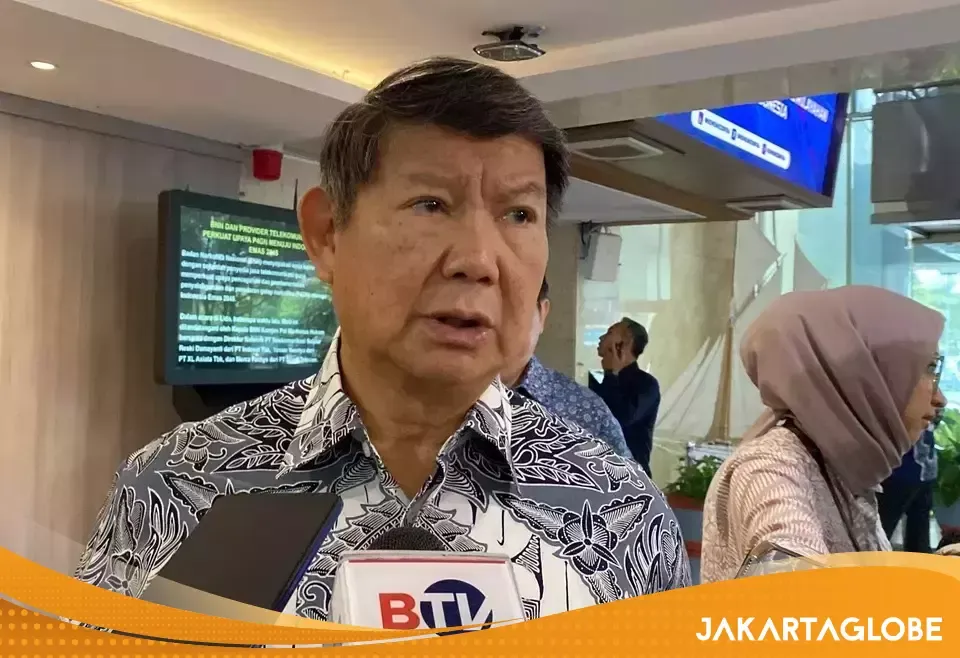
Indonesia's tax authority has clarified that its planned system for collecting VAT on foreign digital purchases will leave the tax rate unchanged and will not cover every overseas transaction. The clarification followed presidential special envoy Hashim Djojohadikusumo's announcement that banks, fintech companies and e-commerce platforms would start collecting taxes on Nov. 9.

Which transactions are covered
The Finance Ministry's Directorate General of Taxes (DJP) said the Foreign Digital Transaction Tax Collection System, known as SPP-TDLN, changes how existing value-added tax is collected on qualifying transactions involving overseas digital providers. It does not establish a new tax.
In a statement issued in Jakarta on Monday, DJP Director of Counseling, Services and Public Relations Inge Diana Rismawanti said the mechanism is intended to make collection more orderly, provide certainty and give domestic and foreign businesses equal treatment. She also said data use would remain secure and restricted under applicable regulations.
"Not all overseas transactions are subject to VAT. Collection through SPP-TDLN only applies to foreign digital transactions that are subject to VAT under prevailing regulations," Inge said.
Personal transfers and money sent as remittances are not the system's intended targets and will not automatically attract VAT, she said. Nor will SPP-TDLN collect VAT a second time when an appointed e-commerce trader has already collected it on the same transaction.
BDO's indirect tax analysis identifies the covered supplies as intangible goods and digital services from outside Indonesia, with examples including software, cloud computing, streaming services, digital subscriptions and mobile applications.
The mechanism will handle collection without requiring consumers to deposit and report VAT on eligible foreign digital services themselves, according to the DJP.
How collection works
For a transaction covered by SPP-TDLN, the payment institution retains the VAT component before sending the remaining proceeds to the foreign merchant, according to KPMG. The withheld portion is calculated as 11/111 of the price or payment amount. BDO says the collected tax must reach the Indonesian State Treasury within seven days of confirmation through the platform.
KPMG identifies Minister of Finance Regulation No. 49 of 2026, or PMK-49, as the mechanism's legal basis. The ministry enacted it on July 14, 2026, and it became effective on Sept. 25, 2026.
The system's administrator is PT Jalin Pembayaran Nusantara, a state-owned entity in financial technology and payment systems designated under Presidential Regulation No. 68 of 2025, KPMG says.
SPP-TDLN runs alongside Indonesia's VAT on Trade Through Electronic Systems (PMSE) regime, according to BDO. Since July 1, 2020, that regime has covered electronic supplies of digital goods and services from nonresident providers to Indonesian customers, whether the buyer is a business or a consumer.
Six collectors appointed, more preparing
The DJP said preparations before full implementation included sandbox testing and a stabilization period. Those stages examined readiness, business processes, data exchange and integration with the institutions involved in collection.
Six institutions were appointed as collecting issuers on Sept. 25. According to DDTCNews, they comprise the five state-linked Himbara banks BRI, Mandiri, BNI, BTN and BSI, along with fintech company PT Fintek Karya Nusantara, known as LinkAja.
DJP Director General Bimo Wijayanto said the six platforms recorded 5.5 million cross-border digital transactions between Sept. 25 and Oct. 11, 2026, DDTCNews reported. He put their estimated potential value at IDR 10 trillion.
By mid-October, the DJP was seeking to bring 30 banks and fintech companies into the mechanism as VAT collection agents. Bimo said they had been given until November 2026 to prepare their systems, according to DDTCNews.
Other prospective issuers remain in stabilization, Inge said. The DJP will publish further appointments through its official channels after the institutions complete all preparatory stages.
Hashim links digital collection to revenue target
Hashim, President Prabowo Subianto's brother, has described broader digital tax collection as one measure toward increasing state revenue from about 12% of gross domestic product to 18%.
"President Prabowo and [Vice President] Gibran have already taken steps, starting with what we call digital transaction taxes. This will soon be implemented, on Nov. 9. All state-owned and private banks, as well as fintech companies, including Shopee, Lazada, GoTo and others, must participate in collecting and remitting taxes that have not been collected so far," Hashim said.
At the Prasasti Indonesia Policy Forum 2026 in Jakarta on Oct. 13, he compared Indonesia's roughly 12% revenue-to-GDP ratio with Cambodia's 18% and Vietnam's 23%, Indonesia Business Post reported. Hashim estimated that matching Cambodia's ratio, a six-percentage-point increase, would yield about US$90 billion, or Rp1,500 trillion, in additional annual revenue.