
Indonesia intensifies flight monitoring as Kalimantan haze disrupts aviation operations
Indonesia's Transportation Ministry is ramping up surveillance of haze impacts on flights across Kalimantan as forest fires blanket the region, with several airports experiencing cancellations and reduced visibility amid an escalating wildfire crisis.
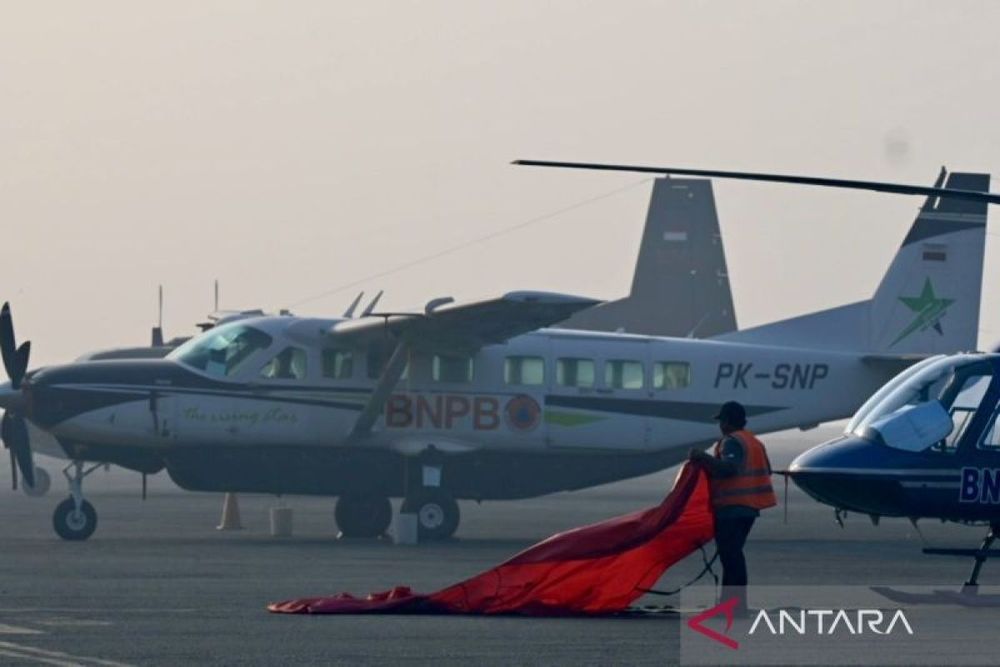
Indonesia intensifies flight monitoring as Kalimantan haze disrupts aviation operations
Indonesia's Transportation Ministry has intensified monitoring of aviation operations across Kalimantan as forest fire-induced haze continues to disrupt flights and reduce visibility at multiple airports throughout the region.
Director General for Air Transport Lukman F. Laisa emphasized that flight safety remains the paramount concern as the ministry coordinates with all stakeholders to manage the situation. Airlines have been directed to delay or divert flights when visibility falls below safety thresholds.
The haze has already forced flight cancellations at Singkawang Airport in West Kalimantan, affecting six TransNusa and six Super Air Jet flights between August 16 and 18, 2026. Visibility at the airport deteriorated from 3,000 meters on August 16 to 2,000 meters on August 18, before showing slight improvement to 2,500 meters the following day. Passengers affected by these cancellations are entitled to full refunds or free rescheduling within seven days under airline policies.
The crisis stems from widespread wildfires that have consumed vast areas across the archipelago. Forestry ministry data reveals that 202,004 hectares of land across Indonesia were hit by wildfires from January to July 2026, surging from 107,465 hectares burned between January and June. In Kalimantan specifically, the National Disaster Management Agency recorded 28,680.47 hectares burned in West Kalimantan, 3,069.52 hectares in Central Kalimantan, and 383.07 hectares in South Kalimantan as of August 9.
The government has mobilized nearly 13,000 personnel to the three Kalimantan provinces to conduct patrols and ground firefighting operations. Authorities are also employing weather modification technology to combat the fires, with Indonesia having conducted 252 cloud-seeding operations between 2021 and August 2026, up sharply from 85 in the preceding decade. Research by BMKG weather modification director Budi Harsoyo found that a 12-day cloud-seeding operation in 2023 doubled likely rainfall and eliminated fire hotspots.
Regional coordination framework
Indonesia's response operates within the framework of the ASEAN Agreement on Transboundary Haze Pollution, signed in 2002 and entered into force in 2003, which facilitates real-time data sharing and coordinated response among member states. The country recently inaugurated the Secretariat Office of the ASEAN Coordinating Centre for Transboundary Haze Pollution Control in Jakarta on April 22, 2026, demonstrating its commitment to regional cooperation on this recurring challenge.
Monitoring across multiple airports
In East Kalimantan, authorities are monitoring seven airports, including major hubs Sultan Aji Muhammad Sulaiman Sepinggan Airport in Balikpapan and Aji Pangeran Tumenggung Pranoto Airport in Samarinda. Flights at Datah Dawai Airport, Maratua Airport, Melalan Airport, and the new Nusantara International Airport continue to operate normally.
Central Kalimantan's nine airports remain under observation, including Tjilik Riwut Airport in Palangka Raya. While most flights operate without disruption, at least four NAM Air flights from and to Iskandar Airport in Pangkalan Bun District required rescheduling due to haze conditions.
In North Kalimantan, eight airports are being monitored, with flights at Tanjung Harapan Airport and Nunukan Airport maintaining normal operations.
Climate factors and outlook
The current crisis unfolds against the backdrop of El Niño conditions, which Indonesia's weather agency expects to persist into early 2027. The critical period for forest and land fires is anticipated to continue from August through September 2026, suggesting potential ongoing disruptions to aviation operations.
The situation evokes memories of the 2015 Southeast Asian haze crisis, which occurred during a previous strong El Niño and burned through millions of hectares, creating a regional haze crisis with property damage estimated at USD 35-47 billion. That episode caused between 40,000 and 100,000 premature deaths across the region due to respiratory and cardiovascular conditions from particulate matter.
Laisa urged travelers planning journeys to or from haze-affected areas to monitor flight information closely and remain alert for potential changes. Airport authorities have been instructed to maintain heightened vigilance regarding weather conditions and visibility as the haze situation evolves.