
KPK Probes Djarum Cigarette Excise Payments, Estimates Possible Trillion-Rupiah Losses
Indonesia's Corruption Eradication Commission (KPK) said Thursday that suspected cigarette excise corruption involving Djarum may have cost the state trillions of rupiah. The preliminary estimate followed searches of the tobacco company's headquarters and a customs office in Kudus, Central Java. No suspects have been named in the Djarum investigation.

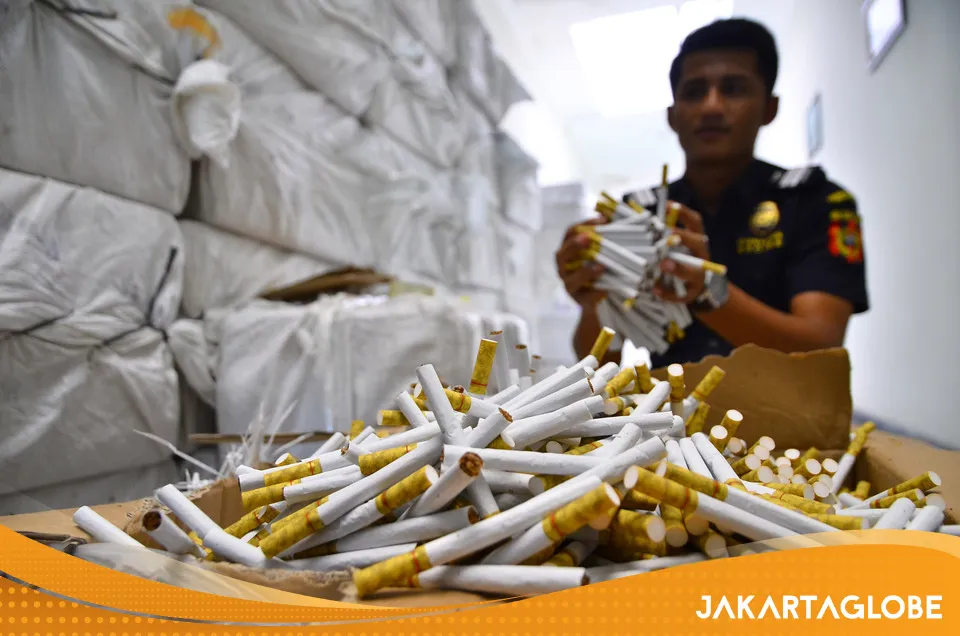
Raids yield documents and electronic records
Investigators seized documents and electronic records during the Oct. 28 searches. Speaking to reporters in Jakarta the following day, KPK spokesman Budi Prasetyo cautioned that the loss estimate remained preliminary, with investigators still gathering evidence in the field and questioning witnesses.
The inquiry concerns allegations that members of Djarum's management worked with customs officials to secure cigarette excise stamps at rates below those legally required. Budi said investigators had not established exactly how the suspected irregularities worked. "We cannot confirm the specific methods involved at this stage because the investigation is still ongoing," he said.
The commission has not identified any Djarum personnel suspected of involvement or specified when the alleged irregularities occurred. Separately, Tempo reported on Oct. 28 that the expanding cigarette tax management investigation covers 2016 through 2025.
Djarum corporate communications manager Budi Darmawan confirmed that KPK officers entered the company's Kudus facility on Oct. 28. "We respect and abide by the law. We are cooperative," he said, according to Tempo.
Excise classifications under scrutiny
Indonesia requires cigarettes to bear official excise stamps from the Directorate General of Customs and Excise. The rate charged depends on the product's regulatory classification, which takes account of cigarette type, pricing and production criteria. KPK investigators are examining whether the stamp arrangements in this case breached those rules and how much any violations may have cost the state.
Tempo reported on Oct. 28 that investigators were examining alleged manipulation of rates tied to cigarette production methods. One suspected scheme involves putting stamps meant for hand-rolled cigarettes on machine-made cigarettes, allowing companies to pay substantially lower excise rates. Budi's remarks the next day left the precise mechanism in the Djarum case unconfirmed.
In earlier comments about the broader customs bribery case, KPK Deputy for Prosecution and Enforcement Asep Guntur Rahayu linked it to the rise in illegal cigarettes in Indonesia. On Feb. 27, he described schemes involving counterfeit or falsified stamps, as well as bulk purchases of cheaper stamps for use on goods subject to higher duties. Such practices leave the state short of revenue, he said, according to jawawa.id, citing CNN Indonesia.
Investigation grew from a February customs sting
Budi traced the Djarum inquiry to an earlier KPK operation involving customs officials and businesspeople. The commission said that case, which emerged this year, had produced at least eight suspects; three have since been convicted of bribery.
According to Tempo, the investigation began with a Feb. 4, 2026, sting targeting the Directorate General of Customs and Excise. Investigators initially focused on suspected bribes and gratuities connected to imports of counterfeit goods. Later that February, they found about Rp 5.19 billion in cash in five suitcases at a safe house in Ciputat, South Tangerang. Budiman Bayu Prasojo was subsequently named a suspect.
Antara reported that eight people had been named as suspects in the broader customs and excise case as of Aug. 26. The customs officials were West Sumatra regional head Rizal, intelligence sub-directorate head Sisprian Subiaksono, enforcement section head Orlando Hamonangan, excise intelligence section head Budiman Bayu Prasojo and Kediri customs head Gatot Heroe Hernanda. The others were Blueray Cargo owner John Field, operations manager Dedy Kurniawan and import documentation team head Andri.
Antara also reported that KPK issued two investigation warrants, known as sprindik, on July 21, 2026: one naming a suspect and one general warrant. The commission announced another general warrant on Oct. 28.
The next steps in the Djarum inquiry include questioning senior company executives. Investortrust reported on Oct. 29 that Budi said KPK was preparing those summons while investigators conduct forensic analysis of materials seized during the Kudus searches.