
Indonesia Transforms Transmigration Policy to Prioritize Human Capital Development
National Development Planning Minister Rachmat Pambudy announces a fundamental shift in Indonesia's transmigration approach, moving from population relocation to human capital development and regional economic transformation through the Patriot Expedition 2026 program.
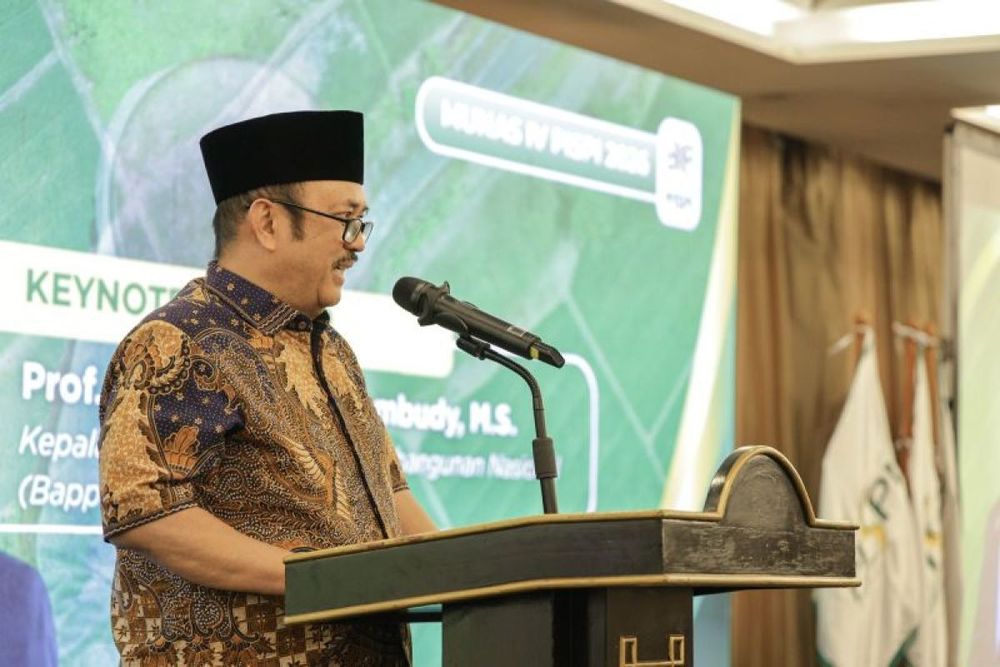
Indonesian govt shifts transmigration focus to human capital
Indonesia is fundamentally reshaping its transmigration strategy to focus on developing human capital and creating new regional economic centers, National Development Planning Minister Rachmat Pambudy announced at the launch of the Patriot Expedition 2026 program.
The minister, who assumed office in October 2024 and serves as a professor at IPB University, emphasized that the government is moving away from the traditional model of simply relocating people to developing regions. Instead, the new approach aims to transform transmigration areas into engines of regional growth through talent development and research-driven innovation.
The policy shift represents a significant departure from Indonesia's transmigration history. The program, which began in 1905 under Dutch colonial administration, relocated more than 8.5 million people from densely populated areas like Java to Sumatra, Kalimantan, the Moluccas, and West Papua between 1969 and 1994. After being paused in 2001, the program continued on a smaller scale, relocating approximately 15,000 families annually in the early 2000s before intensifying again in 2019.
The 2026 Patriot Expedition deployed 1,476 participants from 10 universities to 53 transmigration areas across Indonesia, with approximately 1,200 participants assigned to Papua. The program, which received an allocation of approximately Rp226 billion—equal to 35 percent of the Ministry of Transmigration's 2026 budget—continues the initiative launched in 2025, which deployed approximately 2,000 participants.
Pambudy stated that people-centered development is essential to preparing future generations to drive community change while ensuring inclusive growth. The approach aligns with Pancasila principles, the 1945 Constitution, and President Prabowo Subianto's vision of inclusive national development through stronger regional equity.
Agricultural Transformation Through Innovation
The minister outlined plans to transform agriculture through downstream processing, innovation, and strengthened research capabilities to raise the value of regional commodities and boost local economies. He specifically cited Indonesian agricultural products, including Papuan coffee, as having global competitive potential if supported by adequate research, technology, and product development.
Papua currently produces arabica coffee in high-altitude areas alongside other regions including Northern Sumatra, Java, and Sulawesi, though it contributes less than 2 percent of national coffee output. Indonesia's coffee plantations cover approximately 1.25 million hectares across 36 provinces, with most being smallholder operations using traditional management methods.
Alignment with National Development Goals
The Patriot Expedition supports the 2025-2029 National Medium-Term Development Plan, established through Presidential Regulation No. 12 on February 10, 2025. The plan targets three primary development goals: reducing poverty rates, improving human capital quality, and achieving high and sustainable economic growth.
These priorities align with the 2026 Government Work Plan, themed 'Food and Energy Sovereignty, and a Productive and Inclusive Economy,' which includes core priorities called the Trisula Pembangunan: Sustainable High Growth, Poverty Reduction, and Human Capital Development.
Pambudy explained that the government expects the program to produce skilled human resources capable of unlocking regional potential, strengthening local development, and supporting inclusive and sustainable economic growth. The initiative aims to strengthen talent development, expand research capabilities, and encourage community engagement to accelerate the transformation of transmigration areas.
The minister emphasized that leadership should be measured not only by the ability to lead oneself but also by commitment to creating positive change and contributing to national development. He urged Patriot Expedition participants to prepare themselves as future leaders who can help develop their communities and play meaningful roles in advancing Indonesia's long-term development objectives.