
Indonesia delivers emergency aid to conflict-affected Jayawijaya as recovery operations continue
National disaster agency sends supplies and equipment to support displaced residents in Papua Highlands district following deadly tribal violence that killed 59 and displaced nearly 3,000 people.
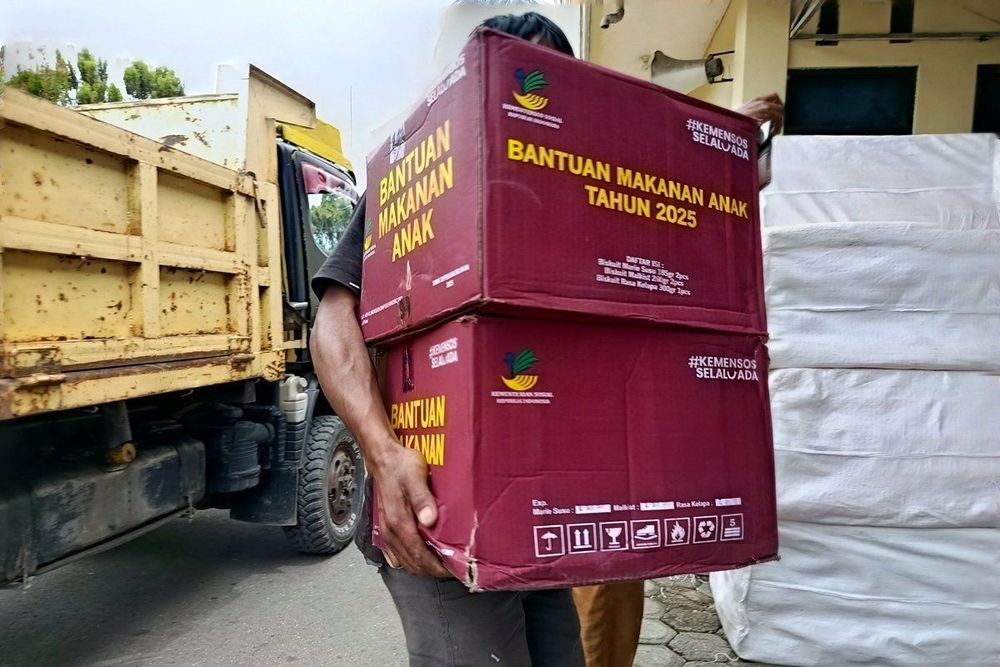
Indonesian govt sends aid to Jayawijaya after social conflict
Indonesia's National Disaster Management Agency (BNPB) has delivered emergency relief supplies to Jayawijaya Regency in Highland Papua province as authorities work to support communities affected by tribal violence that erupted in May 2026.
The shipment includes food packages, blankets, mattresses, family kits, evacuation tents, 25-horsepower polyethylene boats, chainsaws and communication radios, according to BNPB acting Data, Information and Disaster Communication Center Head Berton S.P. Panjaitan on Thursday. The supplies were received by provincial and district government officials.
Highland Papua, Indonesia's first and only landlocked province with a population of approximately 1.48 million, was formally established in July 2022 as part of a reorganization that divided the former Papua province into four separate provinces. Jayawijaya Regency, with a population of around 282,497 as of mid-2023, is located in the Baliem Valley with its capital in Wamena.
Origins and escalation of the conflict
The conflict first erupted on May 14, 2026 in Woma District before spreading to several other locations across Jayawijaya by May 15. The violence stemmed from a long-running dispute dating back to a 2024 traffic accident involving a Lanny Jaya legislator. Under customary law, a settlement required compensation of 2 billion rupiah (approximately $133,000) and 30 pigs, but delayed payment triggered the escalation in May.
The clashes involved tribal groups from Pirime in Lanny Jaya regency and Kurima/Woma tribes along with their allied groups in Jayawijaya Regency. Initial reports in May indicated at least 13 deaths and over 800 displaced residents, but as the violence continued, the toll climbed significantly.
Casualties and damage
The conflict has now claimed 59 lives, with five people seriously injured and 139 suffering minor injuries. A total of 2,902 residents have been forced to flee their homes.
Physical damage is extensive. The violence destroyed 126 homes, 12 traditional honai houses, five education facilities, two village offices, one pastor's residence, and five kiosks. The Kali Uwe Suspension Bridge also collapsed. The honai, traditional round houses of the Dani people with conical thatched roofs and no windows, are designed to withstand the cold mountain climate and hold significant cultural importance for Highland Papua communities.
Peace agreement and emergency status
Tribal leaders from the Wouma Kurima and Lany Jaya tribes signed a peace agreement on May 23, 2026 during a traditional 'Broken Arrow' ritual in the presence of provincial governor John Tabo and police officials, formally ending hostilities.
Papua Highlands Governor has extended the emergency status for the social conflict through December 31, 2026 under Governor's Decree No. 100.3.3.1/220/2026 to address ongoing recovery needs.
Government mobilizes resources
The response effort is supported by Presidential Regulation No. 46 of 2026, which grants BNPB enhanced access and authority to accelerate reconciliation and recovery in regions with limited fiscal capacity.
Following a ministerial meeting led by the Coordinating Ministry for Political and Security Affairs in Jakarta on Wednesday, BNPB outlined three key priorities: basic and psychosocial support, temporary housing or housing waiting funds, and construction of permanent Type 36 homes for displaced families.
The coordinated response involves both provincial and district authorities working to restore stability and provide essential services to affected communities in the mountainous region.