
Indonesia Targets 2027 for Strategic Commodity Exports Through DSI
Indonesia plans to route strategic natural resource exports through state-owned PT Danantara Sumberdaya Indonesia (DSI) in 2027, Minister Bahlil Lahadalia said on November 2. The phased rollout, which began June 1, initially covers coal, crude palm oil and ferroalloys.

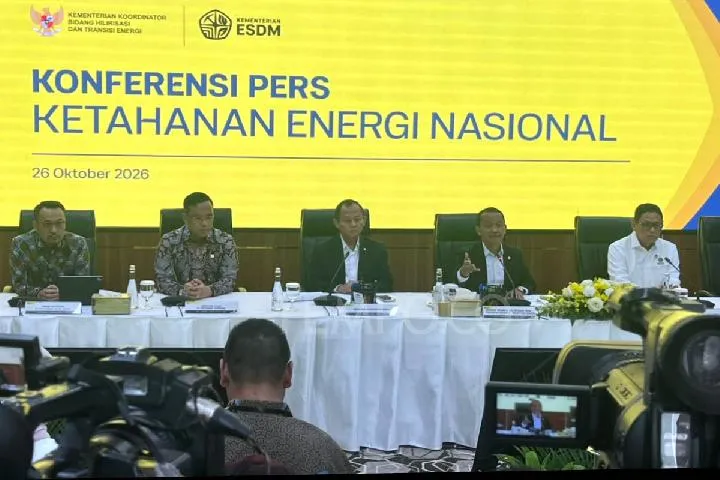
Centralized exports, direct deliveries
Bahlil outlined the plan after opening the 2026 Mineral and Coal Convention and Exhibition (Minerba Convex) in Jakarta on Monday, November 2. He serves as coordinating minister for downstreaming and energy transition and as energy and mineral resources minister.
"Our coordination with DSI is going well. We will channel exports through a single gateway, namely DSI," he told reporters, according to Antara. Bahlil said the arrangement was expected to let shipments reach destination countries directly rather than pass through foreign transit hubs.
The government has set January 1, 2027, as the latest target for full implementation. It says centralized management will improve oversight of strategic commodity exports and their foreign exchange proceeds, known as Devisa Hasil Ekspor (DHE). Officials also expect the policy to support economic growth, help contain inflation, stabilize the rupiah and improve Indonesia's negotiating position with overseas buyers.
Rules governing commodities, prices and exemptions
Government Regulation No. 24 of 2026 on the Management of Strategic Natural Resource Commodity Exports provides the legal framework. The regulation was stipulated and promulgated in Jakarta on May 20, 2026, and took effect June 1, when the transition began.
Coal, crude palm oil (CPO) and ferroalloys make up the first group covered. The regulation provides for additional commodities to be selected in stages at coordination meetings, with their types then specified in trade minister regulations.
Trade Minister Budi Santoso announced three implementing regulations at a joint press briefing in Jakarta on June 8: No. 15 of 2026 for coal exports, No. 16 for CPO exports and No. 17 for ferroalloy exports.
The framework reserves exports of covered commodities for a designated state-owned enterprise, termed the Export SOE, which may act as the goods' owner or their sole intermediary. It gives that enterprise authority to determine selling prices and set a reasonable margin.
Exemptions are possible for businesses whose contracts or agreements with the government contain provisions covering at least investment, divestment, and domestic processing and/or refining. A coordination meeting chaired by the relevant coordinating minister decides whether to grant an exemption.
DSI's initial role and customs procedures
DSI Risk Management Director Nur Hidayat Udin described a limited initial role for the company: assessing whether export transactions are fair while serving as the sole intermediary. Speaking to Kompas.id, he said DSI would not conduct commercial transactions itself; those would remain between sellers and buyers.
DSI is developing a platform to process export transactions and send them to Customs and other ministries and agencies. It is also establishing a Methodology Committee to set export commodity reference prices, Nur said. Producers, traders and DSI will have representatives on the committee, and the company is recruiting professionals for each commodity. The committee's results will be published for the industry.
Once the system is fully in effect, customs documents will identify DSI as the exporter of record, Customs Communications Director Nirwala Dwi Heryanto told Jakarta Globe. The commodity producers and owners will still be recognized as the owners of the exported goods. Exporters will continue to handle documentation and customs processing through CEISA 4.0 and the Indonesia National Single Window.
Buyer concerns and transition reviews
Some coal buyers sought more clarity early in the rollout. Indonesia Business Post reported that several Chinese buyers postponed shipments in June 2026 while seeking details about how the system would operate. Coal generated approximately $24.48 billion in Indonesian export value in 2025, making it one of the country's largest export commodities, with China and India among its biggest buyers, according to the outlet.
Indef analyst Andry Satrio Nugroho said other buyers, such as India, could follow the Chinese buyers in delaying purchases. Analysts cited by Indonesia Business Post warned that suppliers in Australia, Russia, Mongolia, South Africa, Colombia and the United States could benefit if buyers shifted their purchases.
After nearly three months of DSI operations, its preliminary analysis had examined roughly 6,500 export declarations, according to the Coordinating Ministry for Economic Affairs. Those declarations represented more than $14 billion and over 90 million tons of commodities destined for more than 100 countries. The review sought to make transactions more visible and flag inconsistent data for further examination.
The ministry and other relevant government agencies assessed the first transition phase at the end of August to determine the next implementation steps. In late September, Santoso said the shift to DSI for several leading export commodities remained on schedule, with the transition expected to run through the end of December 2026.