
Lawmaker Calls for Special Protection of Vulnerable Groups from Forest Fire Smoke
A parliamentary commission member has demanded the government prioritize safeguarding children, elderly citizens, and pregnant women as hazardous smoke from widespread forest and land fires degrades air quality across multiple Indonesian provinces.

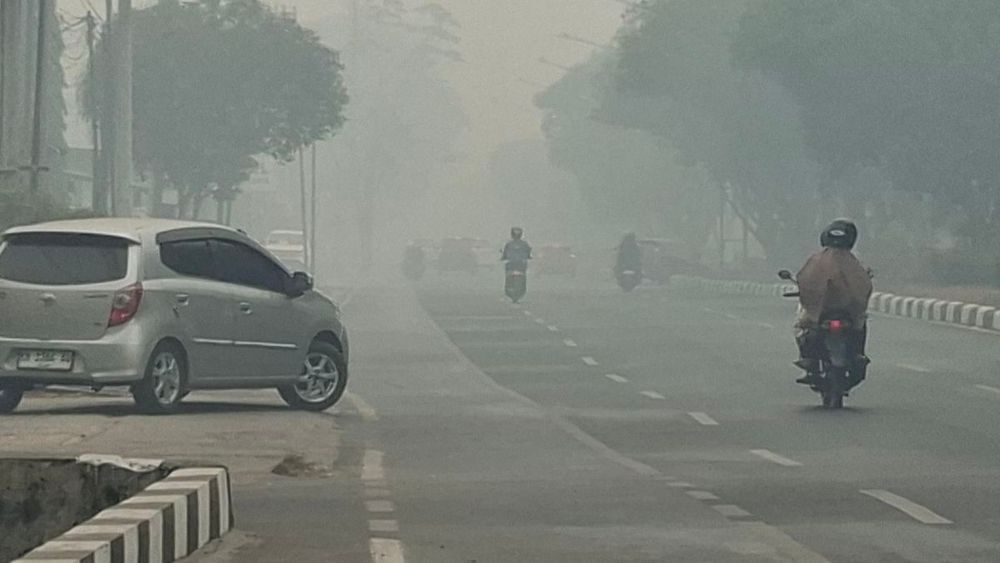
Government Must Ensure Children, Elderly, and Pregnant Women Are Protected from Karhutla Smoke
A member of the House of Representatives has called on the government to implement immediate measures protecting vulnerable populations from the severe health risks posed by smoke from forest and land fires currently affecting several regions across Indonesia.
Netty Prasetiyani, a member of Commission IX overseeing health matters, emphasized on Tuesday that children, elderly citizens, pregnant women, and individuals with respiratory conditions require urgent special attention as air quality continues to deteriorate in fire-affected areas.
"Protection of public health must be integrated into forest fire management strategies. The government cannot simply focus on extinguishing fires while neglecting citizen safety. Local authorities, health departments, and medical facilities need to strengthen their preparedness for the surge in respiratory illness cases."
The lawmaker stressed that success in managing forest and land fires should be measured not only by reductions in fire hotspots but also by the preservation of public health and safety.
Health Crisis Emerges from Fire Season
Between August 18 and September 21, 2026, Indonesia recorded 174,694 cases of acute respiratory infections in areas affected by forest and land fires, according to health ministry data. Among these cases, 40,363 involved children under five years of age, highlighting the severe impact on the youngest population.
Medical evidence demonstrates why these groups face heightened risks. Children breathe faster than adults and inhale more air per pound of body weight, making them particularly susceptible to PM2.5 particulate pollution. This exposure can affect lung development and increase the likelihood of developing chronic respiratory diseases.
The elderly population faces equally serious dangers due to weakened respiratory and cardiovascular systems. PM2.5 exposure can trigger or worsen pre-existing health conditions in older adults. For pregnant women, exposure to fine particulate matter can impact fetal development and may lead to long-term health consequences, including associations with birth defects and adverse birth outcomes.
Air Quality Reaches Dangerous Levels
Air quality monitoring data from IQAir revealed alarming pollution levels across multiple cities on Wednesday. Palangka Raya in Central Kalimantan recorded an Air Quality Index of 396 on the US scale at 04:00 WIB, with PM2.5 concentrations reaching 273 micrograms per cubic meter—firmly in the "dangerous" category.
Since the emergency alert status was declared on June 1 through October 8, 2026, Palangka Raya has experienced 832 fire incidents affecting 1,407.75 hectares of land. The capital of Central Kalimantan province faces the brunt of the crisis, as the province recorded the highest number of fire hotspots in Indonesia with 5,938 detected in early October.
Balikpapan in East Kalimantan showed slightly better but still concerning conditions, with an AQI of 123 categorized as "unhealthy for sensitive groups" on Wednesday morning. Meanwhile, Palembang in South Sumatra reached a critical AQI of 688, with PM2.5 concentrations of 420 micrograms per cubic meter.
Unprecedented Fire Season Intensity
The 2026 fire season has proven exceptionally severe. From January through June 2026, fires affected 107,465 hectares of land across Indonesia—representing a 110% increase compared with the same period in 2023, when El Niño conditions last influenced the archipelago.
Nationally, 17,108 hotspots were detected on October 12, 2026, down slightly from 19,166 the previous day. Human activities involving open fire in peatland, primarily land clearing for agricultural or mining purposes, remain the suspected main driver of the wildfires. The developing 2026-2027 El Niño event has intensified the situation through prolonged dry conditions.
Environmental organization WALHI's analysis of 6,902 hotspots during August 25-31, 2026 revealed that nearly 50% were located within corporate concession areas, including palm oil plantations, mining concessions, and forestry permits.
The smoke pollution has crossed national boundaries, affecting neighboring Malaysia and Singapore—making this a regional concern governed by the ASEAN Agreement on Transboundary Haze Pollution.
Air quality classifications range from good (AQI 0-50) through moderate (51-100), unhealthy for sensitive groups (101-150), unhealthy (151-200), very unhealthy (201-300), to dangerous (301-500). Current readings in affected Indonesian cities fall into the most severe categories, underscoring the urgency of the protection measures Netty has demanded.