
Komnas Perempuan Calls for Stronger Mental Health Care for Women Survivors of Violence
Indonesia's National Commission on Violence Against Women (Komnas Perempuan) is urging the government to strengthen mental health care for women survivors of violence, linking that care with legal assistance, social support and protection from further abuse.

Recovery as a right
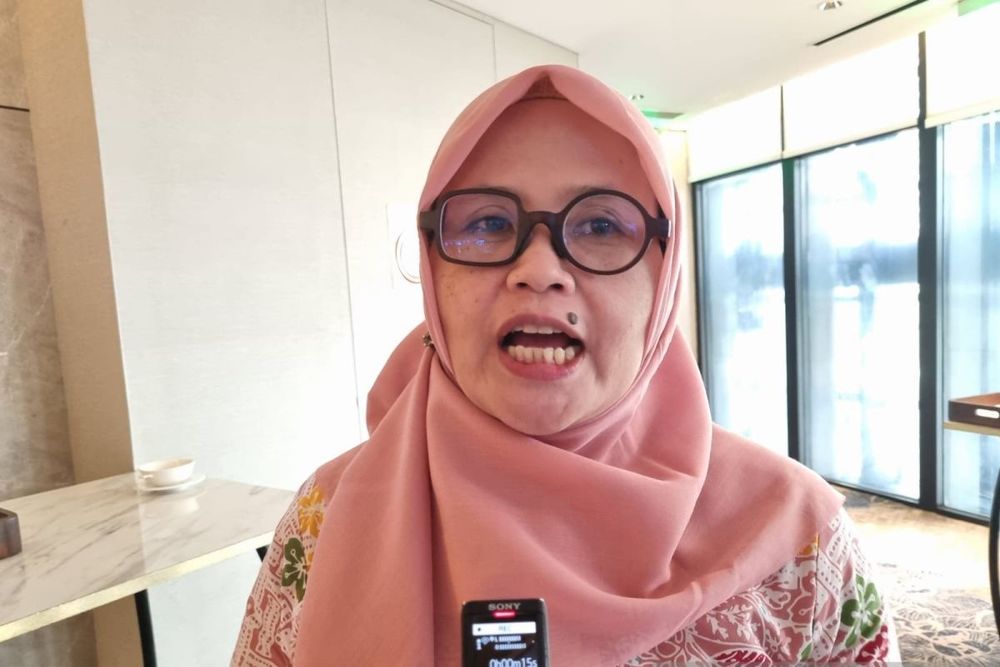
Commissioner Yuni Asriyanti, chair of the commission's Recovery Sub-commission, said in Jakarta on Tuesday that women's mental health is a matter of human rights and gender justice.
"Recovery should not be placed solely on a woman's ability to endure. Survivors need mental health support, protection from further violence, and the opportunity to rebuild a safe life," she said.
The commission made its appeal in connection with World Mental Health Day 2026, observed October 10 under the theme "Lived experiences heard: real voices, real change". Its statement appeared in press release No. 69/HM.02.03/IX/2026, dated October 11, 2026.
Komnas Perempuan called for care that responds to each survivor's needs while addressing the circumstances that put her safety and choices at risk. It said policies must account for power dynamics, violence, discrimination, financial dependence and the unequal burden of domestic and care work, rather than concentrating only on a woman's ability to withstand pressure.
Recorded violence and gaps in care
The commission's CATAHU 2025 annual report documented 376,529 cases of gender-based violence against women during 2025, up 14.07 percent from the previous year. The personal sphere accounted for 337,961 cases, or 89.76 percent of the total.
A total of 97 institutions contributed data to the report. Most recorded victims were women ages 18 to 40, though the cases also involved children and older women.
Mental health services were available at about 38 percent of Indonesia's community health centers, known as puskesmas, at the end of 2024, according to Ministry of Health figures cited in a paper from the Open Society Conference 2025 at Universitas Terbuka. Those services covered screening, initial diagnosis, basic treatment and referral. The ministry's targets were to reach at least 50 percent of centers by 2025 and 70 percent by 2026.
Funding, referrals and access
Komnas Perempuan directed its recommendations to the Ministry of Health, the Ministry of Women's Empowerment and Child Protection, the Ministry of Social Affairs and local governments. It urged them to connect mental health care and psychosocial support with services that respond to gender-based violence.
The commission called for sustained funding, clearly defined referral procedures, and training and support for people who accompany survivors and for service staff. It also sought accessible services for women with disabilities and for women facing economic, geographic or social barriers.
In the commission's view, recovery requires mental health support to work alongside legal assistance, social support and measures to prevent repeated violence. These services should help survivors rebuild their lives in safety.
Domestic law and international standards
The commission cited both Indonesian law and international human rights standards as grounds for its demand. Article 70 of Law No. 12 of 2022 on Sexual Violence Crimes defines the right to recovery as encompassing medical, mental and social rehabilitation; social empowerment; restitution and/or compensation; and social reintegration.
"Strengthening mental health services for survivors of sexual violence must be treated as a key implementation of that right," Yuni said.
Komnas Perempuan also pointed to CEDAW General Recommendation No. 35, which reinforces states' duty to offer trauma-responsive health care, including timely mental health services. It recognizes mental health care as part of reparation for victims, together with legal and social support that guarantees non-repetition.
CEDAW General Recommendation No. 24 also recognizes that gender discrimination, violence, poverty and adverse social conditions pose risks to women's mental health.