
Indonesia Plans Four-Month Vocational Training Program Linked to SEZ Employers
Indonesia's Ministry of Manpower is preparing a vocational program that would split four months of training between a training center and a Special Economic Zone (SEZ). In a statement issued in Jakarta on October 22, Manpower Minister Yassierli said the priority is to teach skills employers need, rather than maximize enrollment.

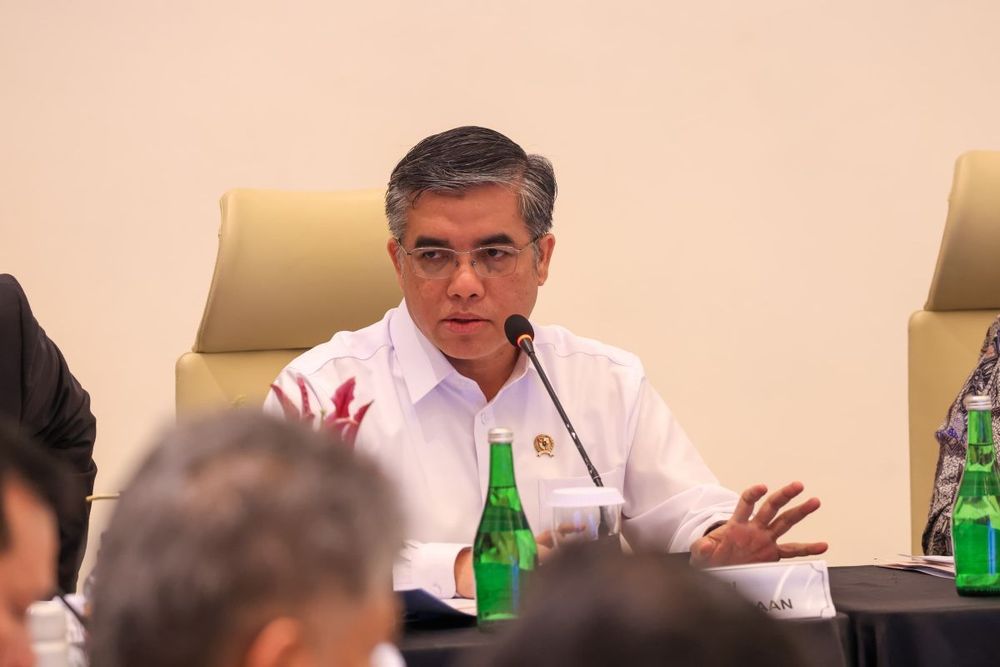
From employer requirements to job placement
Participants would spend two months at a Vocational Training and Productivity Center (BPVP), followed by two months at an SEZ. The arrangement is intended to combine basic skills instruction with experience in an industrial workplace.
Under the ministry's SEZ Skills Ecosystem model, zone administrators and resident companies would work with BPVPs or vocational institutes, local governments, certification bodies and business incubators. Their work would extend from identifying hiring needs to assessing skills against recognized standards and helping graduates find jobs.
"SEZs will become ecosystems comprising not just industry, but also supporting educational institutions, vocational training, internship participants, as well as startups and MSMEs (micro, small, and medium enterprises)," Yassierli said.
The ministry has set out six stages for the program. It would begin by identifying the jobs companies need to fill, staffing levels, required competencies and recruitment schedules. Training modules would then be developed around competency units, standard operating procedures, equipment specifications, quality control, and occupational safety and health standards.
In the third stage, a joint teaching team would provide theory and core practical instruction. The fourth would give participants structured workplace experience with hands-on mentoring, followed by assessment and certification against recognized standards in the fifth stage.
The final stage would connect training to recruitment: building a talent pool, helping employers hire, monitoring job placements and using the results to improve the program.
The ministry plans to track three measures of success: the share of graduates who find work within three months, worker retention after six months, and employers' satisfaction with the people they hire. Those measures are intended to assess whether the training meets companies' needs and whether placements last.
SEZ priorities within the national training program
The ministry had already outlined SEZ-related training priorities at an April 23, 2026, high-level roundtable. According to its account of the meeting, the remaining quota of 60,000 places in the 2026 National Vocational Training Program would prioritize industry needs in SEZs and National Strategic Projects (PSNs). The ministry also planned to distribute the 2026 MagangHub internship program across all 25 SEZs.
The national vocational program has a broader target of approximately 340,000 participants for 2026, the Cabinet Secretariat reported on September 3. Existing state budget funding covers 70,000 places, while the economic stimulus program for the second half of 2026 provides for another 270,000. By August, 89,337 people had participated.
In the same September report, the Cabinet Secretariat said Indonesia's open unemployment rate had fallen to 4.65 percent. Young people nevertheless represented about 67 percent of all unemployed people, or roughly 4.8 million.
The scale of Indonesia's SEZ network
Indonesia had 25 designated SEZs as of October 2026, Coordinating Minister for Economic Affairs Airlangga Hartarto said on October 21, according to ANTARA. Of those, 18 are outside Java and seven are on the island.
The network includes 13 industrial zones and six tourism zones, along with two healthcare zones, two technology and education zones, one digital hub and one general services zone.
Airlangga said realized investment in the zones totaled Rp382.1 trillion, or about US$21.24 billion, from 2012 through September 2026. That investment created approximately 302,000 jobs across 509 business entities.
For January through September 2026, investment reached Rp46 trillion (US$2.56 billion), or 67 percent of the full-year target of Rp69.1 trillion. About 53,000 jobs were added during that period.
Yassierli said he hoped the zones would support economic growth and more hiring. "The integration of vocational training with industry is expected to help companies meet skilled workforce needs and to create more job opportunities for the public," he said.