
Indonesia grants green-collar status and social protection to 3.7 million waste sorters
The Indonesian government is reclassifying waste pickers as green-collar workers and providing subsidized social insurance, recognizing their critical role in managing the nation's 51.8 million tons of annual waste.
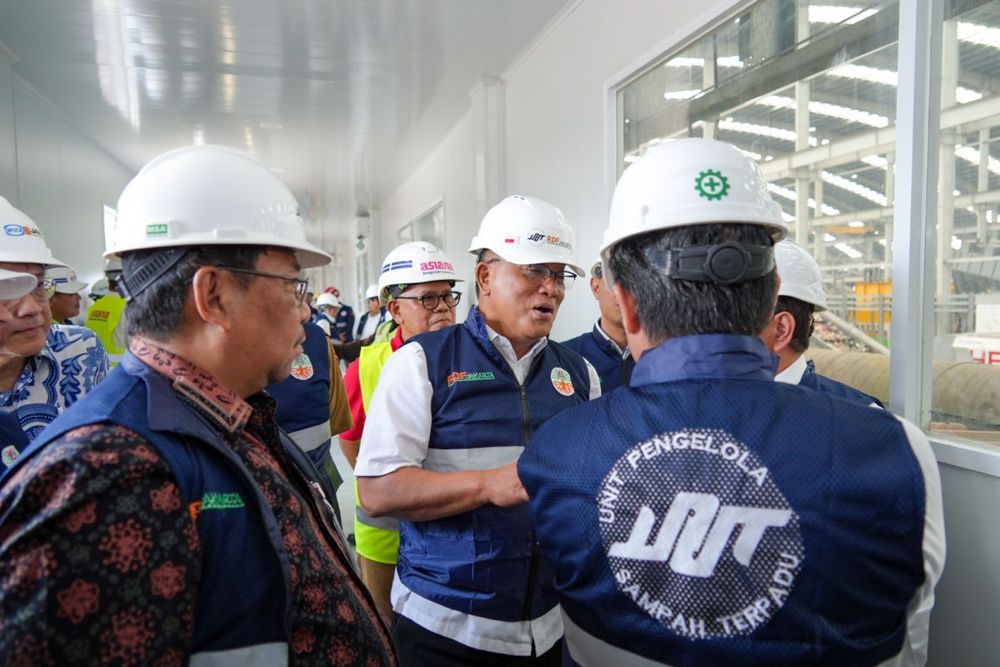
Indonesia grants green-collar status and social protection to 3.7 million waste sorters
Indonesia is implementing a major policy shift to recognize and protect approximately 3.7 million waste sorters nationwide, granting them green-collar worker status and access to subsidized social insurance as part of efforts to formalize the informal waste management sector.
Environment Minister Mohammad Jumhur Hidayat announced Tuesday that the government is replacing the term scavenger (pemulung) with waste sorters and recognizing them as green-collar workers eligible for social protection under the national employment insurance scheme.
The minister emphasized that waste sorters play a vital role as the forefront of waste sorting before waste reaches processing facilities, making them deserving of recognition as green-collar workers or environmental heroes who contribute directly to environmental sustainability.
Critical role in waste management
The workforce of 3.7 million waste sorters, according to studies by Unilever and Sustainable Waste Indonesia and data from the Indonesia Waste Pickers Union, handles a substantial portion of the country's recycling infrastructure. In Java alone, these workers collect 83 percent of plastic waste despite working informally and often facing stigmatization.
Their contribution comes at a time when Indonesia generates an estimated 51.8 million tons of waste in 2026, with approximately 75 percent still managed improperly. The country currently recycles less than 25 percent of its total waste, with plastic recycling at around 10 percent, highlighting the crucial gap these workers fill in the formal infrastructure.
Hidayat stressed that waste sorters have long stood at the vanguard of the national circular economy, reducing pressure on final disposal sites, increasing national recycling rates, and supplying raw materials to the recycling industry long before the circular economy became widely recognized.
Social protection framework
The recognition addresses a significant protection gap, as only 11 percent of informal workers in Indonesia currently have access to social protection. The government and BPJS Employment are offering a 50 percent discount on premiums for Work Accident Security and Death Security to eligible informal sector workers.
Minister of Manpower Yassierli explained that the premium adjustment reduces the cost from the previous Rp16,800 per month to Rp8,400 per month, easing the financial burden on workers. The discount program, introduced in January 2026, applies to various informal worker groups between April and December 2026.
The initiative provides tangible protection against occupational risks waste sorters face daily, including accidents, exposure to hazardous materials without protective equipment, and income instability. Many workers have been denied entry to residential areas despite their crucial role in waste collection.
Broader environmental goals
The policy shift aligns with Indonesia's targets to achieve a 63.54 percent waste management rate in 2026 and increase it to 100 percent by 2029. Green-collar workers are internationally defined as individuals employed in jobs that contribute to environmental sustainability and conservation, with waste management recognized as a key sector.
Hidayat, appointed Environment Minister on April 27, 2026, brings a labor advocacy background as former chairman of the Confederation of All Indonesian Workers' Unions. His appointment has focused government attention on ensuring the transition toward a green economy benefits those who have long played vital roles in environmental protection.
Yassierli said the initiative demonstrates the state's commitment to ensuring that all workers, both formal and informal, have access to social safety nets when facing work-related risks, marking a new chapter in state recognition for waste sorting workers.