
Indonesia Plans Planting Expansion Through March 2027, Focusing on Two Provinces
Indonesia's Agriculture Ministry is preparing to increase planted acreage from November 2026 through March 2027, giving particular attention to Lampung and South Sumatra. Planting schedules will follow seasonal conditions and available water as the country faces a very strong El Niño and forecasts of a delayed rainy season.

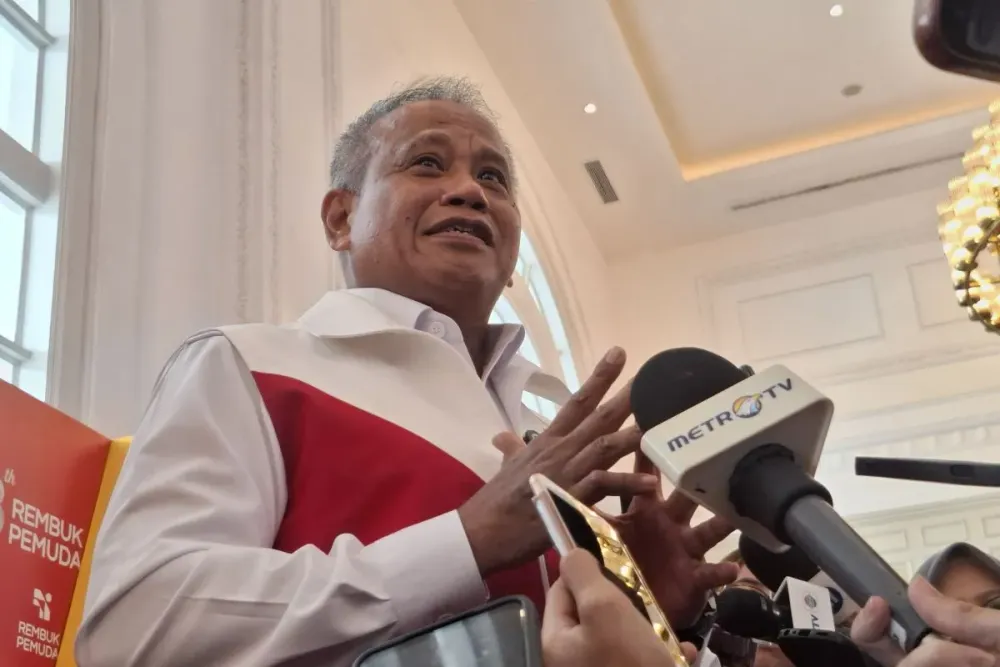
Water availability to guide planting
Deputy Agriculture Minister Muhammad Saleh Mustafa outlined the preparations in Jakarta on October 31. He said Agriculture Minister Andi Amran Sulaiman had directed the expansion to sustain food production, with agricultural groups involved in adjusting planting schedules to local conditions.
Mustafa said climate change and its effects on farm water supplies must inform the work. The government is also preparing irrigation facilities for potential rainy-season disruptions. "We will implement pump interventions to anticipate flooded rice fields," he said.
The expansion follows a national rice planting target of 16.86 million hectares for 2026, established under Minister of Agriculture Decree No. 229 of 2026.
The ministry has also taken measures against drought. According to ministry expert adviser Hasil Sembiring, it deployed more than 80,158 pumps to farmer groups to draw water from creeks and river tributaries in affected areas. It promoted drought-tolerant, shorter-duration rice varieties that mature in about 97 to 98 days, compared with up to 120 days for conventional varieties, and used a Crop Calendar to help farmers match planting dates to weather patterns.
El Niño and a delayed rainy season
The Meteorology, Climatology, and Geophysics Agency, known as BMKG, reported on October 27 that the Niño 3.4 index for August through October 2026 was positive 3.05 degrees Celsius, indicating a very strong El Niño. Exceptionally prolonged drought was recorded at 1,707 observation points, underscoring the need to coordinate planting and water management to avoid food-production disruptions.
BMKG's forecast for the 2026/2027 rainy season also called for a later-than-normal start in 529 seasonal zones. Those zones cover 61.08 percent of Indonesia's territory.
Drought has previously disrupted rice output. The Jakarta Post, citing Statistics Indonesia (BPS), reported that production declined from 31.1 million metric tons in 2023 to 30.62 million in 2024 amid El Niño and drought, after which imports surged to 4.52 million metric tons. Production rebounded by 13.29 percent to 34.69 million metric tons in 2025, while imports fell sharply to 450,734 metric tons.
Planting progress in the priority provinces
Lampung planted 439,660 hectares of rice from January through July 2026, according to the province's Agricultural Modernization and Development Agency (BRMP). That represented 78.59 percent of its 559,403-hectare target.
In October, Lampung BRMP stepped up coordination in Metro City toward an additional planting target of 2,500 hectares, alongside support for water distribution arrangements serving 2,930 hectares. On October 29, the agency also reported support for the city's Modern Advanced Agriculture System (PM-AAS) program, which targets 341 hectares.
In South Sumatra's North Musi Rawas District, prolonged drought left September planting at just 15 hectares against a target of 342 hectares, BRMP reported. Later that month, farmers resumed preparing seed and cultivating land with help from agricultural extension workers, timing the work to available water supplies.
Elsewhere in South Sumatra, an early-October BRMP report put planting in Ogan Komering Ulu District at 205 hectares out of 228 hectares receiving regular seed assistance. Land optimization work had covered 122 hectares toward a 140-hectare target.
South Sumatra BRMP also reported that a pumped irrigation system for a local farmers' group was about 80 percent complete. The system was intended to improve water availability and increase the cropping index.
Rice supplies and differing production outlooks
Government rice reserves held by state logistics agency Bulog totaled around 4.5 million metric tons in late October. Sulaiman put overall national availability at about 25 million metric tons: roughly 10 million in standing crops, 10 million held by households and the Horeca sector, and 4.5 million at Bulog.
At domestic consumption of about 2.5 million metric tons a month, Sulaiman said those supplies could last through July or August 2027. He also said Indonesia imported no rice in 2025 and had imported none in 2026. His statement about 2025 differed from the BPS import figure reported by The Jakarta Post.
The ministry's food balance projection for 2026 estimated rice production at 34.77 million metric tons and domestic demand at 31.10 million, leaving a projected surplus of about 3.67 million metric tons.
Institutional outlooks differ, according to The Jakarta Post. The Food and Agriculture Organization projected 38.5 million metric tons for 2025-2026 and 38.6 million for 2026-2027. The US Department of Agriculture forecast a decline from 33.8 million to 33.4 million metric tons over those periods. Indonesia's Agriculture Ministry set calendar-year targets of 34.77 million metric tons for 2026 and 34.83 million for 2027.
Earlier pledge to stop forest expansion
The planting preparations follow an October 6 announcement by Presidential Special Envoy for Climate and Energy Hashim Djojohadikusumo that the government would stop expanding rice fields into forests, including its planned 2-million-hectare food estate program.
Speaking at the Indonesia International Sustainability Forum in Jakarta, Hashim said the country had reached rice self-sufficiency three years before its 2029 target and that national rice reserves had reached 5.3 million metric tons.
He said the government would instead focus on intensifying production on existing land, supported by what he described as a 50 percent increase in the rice price floor, from Rp 4,000 to Rp 6,500 per kilogram, and a 20 percent reduction in fertilizer costs.