
Indonesia to build Sheikh Yusuf museum in Cape Town with 2027 construction target
Indonesia's Culture Ministry plans to develop a museum dedicated to Sheikh Yusuf Al-Makassari in Cape Town, South Africa, with construction expected to begin in 2027 following completion of licensing processes this year.

Indonesia to build Sheikh Yusuf museum in Cape Town with 2027 construction target
Indonesia's Culture Ministry has allocated Rp62 billion (approximately US$3.52 million) to construct a museum and cultural center honoring Sheikh Yusuf Al-Makassari in Cape Town, South Africa, with building work scheduled to commence in 2027.
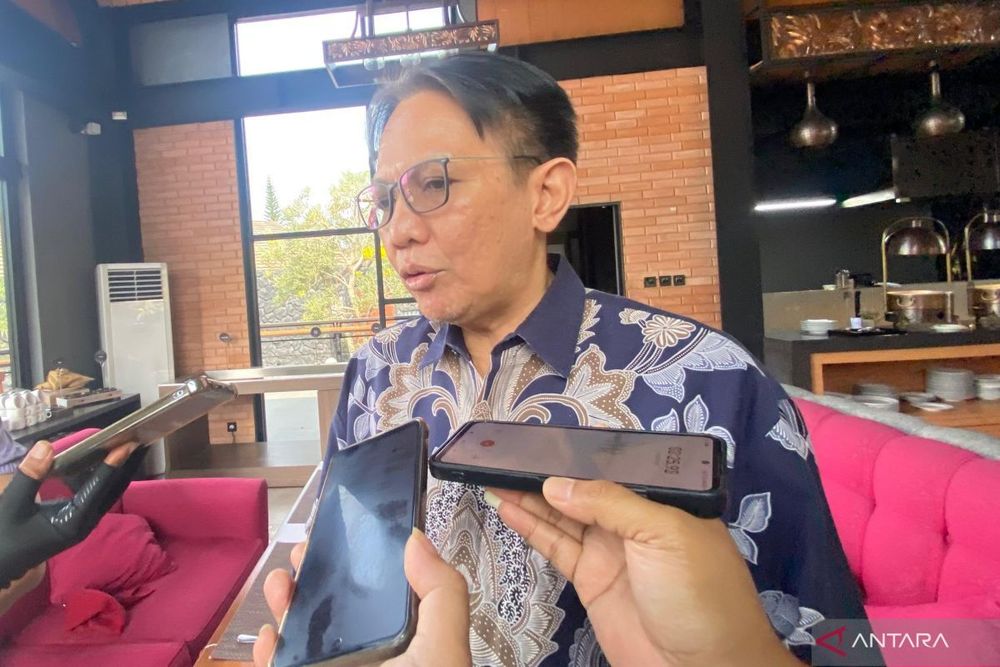
Wawan Yogaswara, Director of Cultural Promotion at the ministry, announced in Cipanas, West Java, on Saturday that licensing complexities would likely limit this year's activities to finalizing the museum's architectural design. The planned facility will adapt the traditional architecture of the Gowa Kingdom to suit South Africa's environmental conditions.
Sheikh Yusuf Al-Makassari: A shared hero
The project commemorates Sheikh Yusuf Al-Makassari, born in Makassar on July 3, 1626, who became a recognized hero in both Indonesia and South Africa. After being exiled by Dutch colonial authorities, he arrived at the Cape on April 2, 1694, aboard the ship 'De Voetboog' with an entourage of 49 people, including two wives, 12 children, and 12 imams. Dutch Governor Simon van der Stel settled him on June 14, 1694, at the farm Zandvliet near the Eerste River mouth, in an area that later became known as Macassar.
Project origins and diplomatic momentum
The initiative originated from a request by members of the public and Sheikh Yusuf's descendants to former President Susilo Bambang Yudhoyono during his visit to South Africa. While Yudhoyono approved the proposal, funding was not immediately available. Momentum accelerated after Indonesia's Culture Minister visited Cape Town, prompting South Africa's Culture Minister to request follow-up on the planned museum.
The timing of the project holds particular significance as UNESCO's 43rd General Conference in 2025 approved Indonesia's proposal to include the 400th anniversary of Sheikh Yusuf's birth in the UNESCO Anniversary program, with commemorations taking place throughout 2026. Indonesia is also preparing to nominate eight of Sheikh Yusuf's works for inclusion in UNESCO's Memory of the World program.
Official recognition and bilateral ties
Both nations have formally recognized Sheikh Yusuf's contributions. Indonesia declared him a National Hero in 1995 under President Soeharto, while South Africa officially honored him as a national hero in 2009. The bilateral cooperation builds on formal diplomatic relations established on August 12, 1994, and strengthened through a 2008 memorandum of understanding on cultural cooperation.
Legacy and cultural impact
Sheikh Yusuf spent his final years in Cape Town spreading Islamic teachings and Sufism among local communities until his death on May 23, 1699, at age 72. His body was later moved to Lakiung, Katangka, Gowa Regency, South Sulawesi, in 1705 at Sultan Abdul Jalil of Gowa's request, though his shrine in Cape Town remains a major pilgrimage site.
The Cape Malay community, descendants of Indonesians, has celebrated the Kramat Festival for more than two centuries to honor Sheikh Yusuf's legacy. The festival, traditionally held during Easter weekend, includes pilgrimages to his shrine in Macassar. The existing shrine was designed by prominent South African architect Francis Kaye Kendall in the early 20th century.
Yogaswara emphasized that the museum would help preserve ties between Indonesia and South Africa while introducing cultural values from South Sulawesi and Indonesia more broadly. The facility could eventually expand into a comprehensive Indonesian cultural center serving as a hub for cultural activities, he said.
A village in South Africa bears the name Macassar in recognition of Sheikh Yusuf's homeland. His manuscripts and other legacies continue to influence Islamic teachings in the region, cementing his status as a role model in South African history.